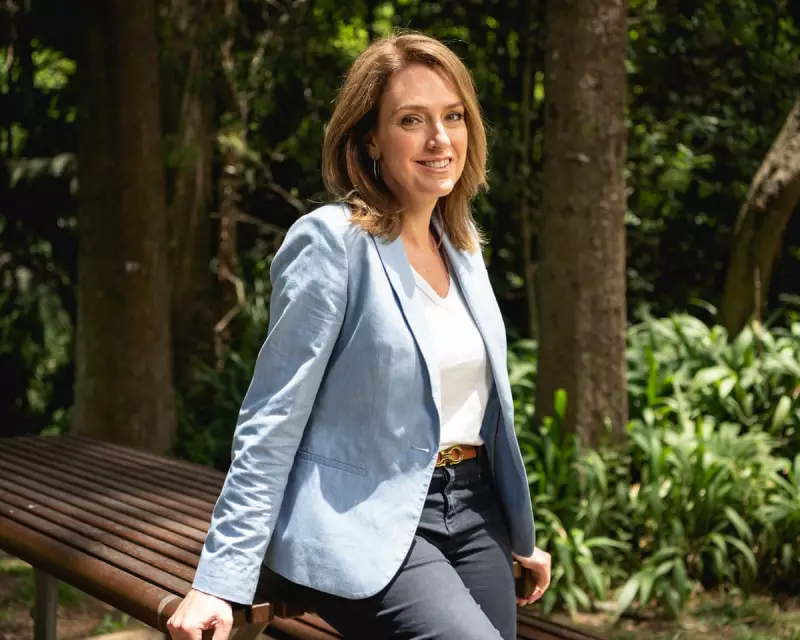
The political landscape in New South Wales is poised for significant change as Kellie Sloane emerges as the likely successor to Mark Speakman as leader of the state's Liberal Party. This potential leadership shift could substantially alter the dynamics of opposition politics in Australia's most populous state.
A Changing of the Guard in NSW Politics
Following Mark Speakman's decision to step down from the leadership position, the NSW Liberal Party appears to be consolidating around Kellie Sloane as their new parliamentary leader. The member for Vaucluse has reportedly secured substantial support from colleagues, positioning her as the frontrunner in what was initially expected to be a contested leadership battle.
The timing of this transition comes at a critical juncture for the NSW Liberals, who have been working to rebuild after their defeat in the 2023 state election. With Chris Minns's Labor government approaching the mid-point of its term, the opposition sees an opportunity to reset its strategy and present a renewed challenge to the incumbent administration.

The Political Implications of Sloane's Leadership
Political analysts suggest that Kellie Sloane's elevation to the leadership could create substantial difficulties for Premier Chris Minns. As a former television journalist with significant media experience, Sloane brings communication skills that may prove challenging for the government to counter. Her background in journalism has equipped her with the ability to frame political narratives effectively, a valuable asset in opposition politics.
The potential leadership change represents a strategic shift for the Liberal Party, which has been evaluating its direction since the last election. Sloane's moderate positioning within the party could help bridge factional divides while presenting a contemporary face to voters. Her approach is expected to focus heavily on economic management and service delivery, areas where the opposition believes it can gain traction against the government.
Several factors have contributed to Sloane's emergence as the consensus candidate. Her parliamentary performance since entering politics has impressed colleagues, particularly her ability to articulate policy alternatives during question time and in media appearances. Additionally, her electoral margin in Vaucluse provides a secure base from which to lead without immediate concerns about seat retention.
What This Means for the Minns Government
The prospect of Kellie Sloane assuming the Liberal leadership has generated considerable discussion within political circles about the potential impact on Chris Minns's government. A more effective opposition leader could force the premier to devote more resources to defending government decisions and managing political controversies.
The changed dynamic may affect the government's legislative agenda and its ability to control the political narrative in the lead-up to the next election. Ministers may find themselves facing more rigorous scrutiny during parliamentary sessions and in media engagements, requiring more sophisticated political management from the government's senior team.
Political observers note that the Minns government has enjoyed a relatively comfortable period since taking office, with an opposition still finding its feet after the electoral defeat. A leadership change injecting new energy into the Liberal Party could alter this equation significantly, potentially making the political environment more competitive and unpredictable.
As the NSW Liberal Party moves toward formalising its leadership transition, all eyes will be on how Kellie Sloane approaches the role and what strategy she employs to hold the government to account. The coming parliamentary sitting weeks will provide the first indications of whether this leadership change will indeed make life tougher for Chris Minns and his ministerial team.