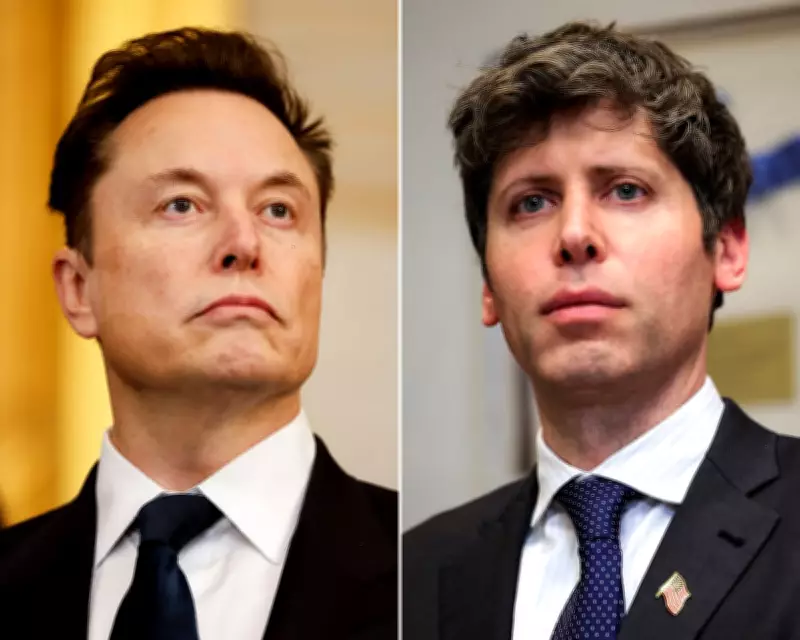
A federal jury in Oakland, California, has ruled in favor of Sam Altman and OpenAI, finding them not liable for Elon Musk's claims that they breached a founding contract and unjustly enriched themselves. The verdict, delivered after less than two hours of deliberation, represents a significant defeat for Musk, the world's richest person, in his long-running legal battle against the AI company he co-founded.
Verdict Details
The nine-person jury determined that Musk's lawsuit, filed in 2024, was outside the statute of limitations. Judge Yvonne Gonzalez Rogers, who had the final say in the case, agreed with the jury's advisory verdict and dismissed Musk's claims. She stated that there was substantial evidence supporting the jury's finding.
OpenAI's lead attorney, William Savitt, celebrated the outcome, calling Musk's case a 'hypocritical attempt to sabotage a competitor.' He emphasized that the jury's decision was substantive, not merely technical. Musk's attorneys, however, framed the case as having exposed OpenAI's actions, with attorney Steven Molo claiming the testimony was 'valuable for the world to see.'

Musk's Response
Musk took to X (formerly Twitter) to announce his intention to appeal, arguing that the ruling was based on a 'calendar technicality' and that Altman and Brockman had indeed enriched themselves by 'stealing a charity.' He vowed to file an appeal with the Ninth Circuit, warning of the destructive precedent for charitable giving.
Trial Highlights
The three-week trial featured testimony from several Silicon Valley heavyweights, including Musk, Altman, OpenAI President Greg Brockman, and Microsoft CEO Satya Nadella. The case delved into OpenAI's fractious history, revealing unflattering details about both Musk and Altman. Musk's lawsuit sought $134 billion in damages and demanded the removal of Altman and Brockman, as well as the reversal of OpenAI's for-profit restructuring.
Core Allegations
At the heart of the case was Musk's claim that Altman and Brockman violated a founding agreement by transforming OpenAI from a non-profit into a for-profit entity. OpenAI countered that Musk was always aware of the for-profit plans and that his lawsuit was motivated by jealousy after his failed attempt to take over the company in 2018. The company maintained that it remains dedicated to its mission of benefiting humanity.
The verdict clears the path for OpenAI's potential initial public offering later this year, which could value the company at around $1 trillion. Microsoft, also named in the lawsuit, was found not liable. A Microsoft spokesperson welcomed the jury's decision, noting that the facts and timeline had long been clear.