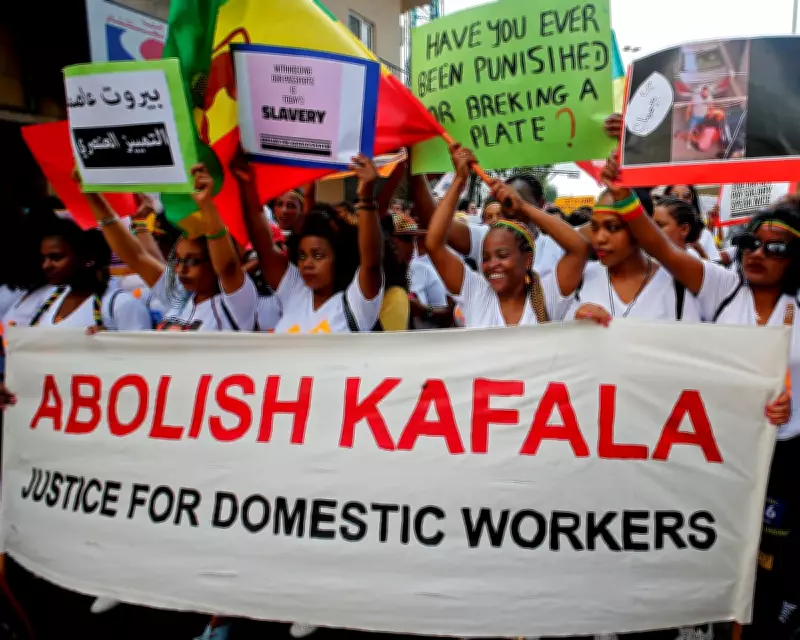
In Indonesia, domestic workers are increasingly organizing to demand their rights, challenging a system that has long exploited their labor. Despite facing significant obstacles—including legal gaps, social stigma, and employer resistance—these workers are making progress through collective action and advocacy.
The Struggle for Recognition
Domestic work in Indonesia is largely unregulated, leaving millions of workers—mostly women—vulnerable to low wages, long hours, and abuse. Many are not covered by labor laws that protect other workers, and they often lack contracts, social security, or the right to form unions. This legal exclusion perpetuates a cycle of poverty and dependency.
However, a growing movement of domestic workers is pushing back. Organizations like the Indonesian Domestic Workers Network (JALA PRT) are mobilizing workers to demand a Domestic Workers Bill that would grant them legal recognition and protections. The bill, which has been pending in parliament for years, would establish minimum wage standards, working hours, and grievance mechanisms.

Grassroots Activism
Workers are using creative strategies to amplify their voices. From community meetings to social media campaigns, they are raising awareness about their plight and building solidarity. Some have even staged protests outside employers’ homes or government offices, risking retaliation to highlight their demands.
One key victory came in 2023, when the government issued a regulation requiring employers to provide contracts and social security for domestic workers. While enforcement remains weak, the regulation marked a step forward. Workers continue to push for stronger legislation, including the passage of the Domestic Workers Bill.
Global Context
Indonesia’s struggle is part of a broader global movement for domestic workers’ rights. International conventions, such as ILO Convention 189, have set standards for decent work, but implementation varies widely. In countries like the Philippines and Brazil, domestic workers have won significant protections through sustained advocacy. Indonesian activists draw inspiration from these examples while tailoring their strategies to local realities.
Challenges Ahead
Despite progress, domestic workers in Indonesia face persistent challenges. Many employers resist formal arrangements, and cultural norms that devalue domestic work remain entrenched. The COVID-19 pandemic exacerbated vulnerabilities, with many workers losing jobs or facing increased health risks without support.
Activists emphasize the need for intersectional approaches that address gender, class, and migration issues. Many domestic workers are migrants from rural areas or other countries, adding layers of precarity. Building alliances with other labor movements, women’s groups, and human rights organizations is crucial.
Conclusion
The fight for domestic workers’ rights in Indonesia demonstrates the power of collective action against formidable odds. While the road to full legal protection and social recognition is long, the growing movement offers hope. As one activist put it, “We are not asking for charity; we are demanding justice.” The world is watching, and Indonesia’s domestic workers are showing that even the most marginalized can organize for change.