The Green Surge: A New Political Reality
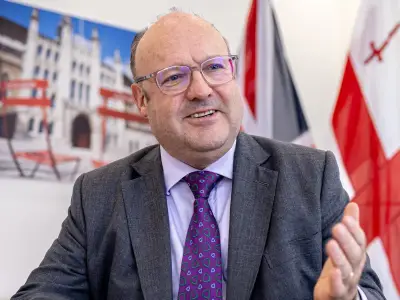
British politics is witnessing a potentially seismic shift as the Green Party, under leader Zack Polanski, rapidly closes the gap with the Labour Party in opinion polls. When Polanski won the Green leadership in September, his declaration that "we're here to replace you" seemed ambitious for a politician without a parliamentary seat and a party barely registering in single digits. Yet, little more than a month later, pollsters are discussing what could be the most underpriced wildcard for the 2025 election.
Polling Numbers Tell a Compelling Story
The most recent YouGov poll shows the Greens just four points behind Labour, a dramatic reduction from the twelve-point gap recorded in August, just before Polanski's election. Other polls have placed them almost at parity. If current trajectories continue—with Labour mired in pre-budget gloom and the Greens riding a wave of optimistic voters seeking a British equivalent to progressive international figures—the psychologically crucial crossover point could be mere weeks away.
While polls are merely snapshots and the next general election could be years off, such a crossover would represent a fundamental realignment on the British left. The two primary obstacles for smaller parties—securing media attention and convincing voters they aren't wasting their ballot—are being systematically dismantled by Polanski's approach.

The Polanski Effect: Blunt Talk and Strategic Positioning
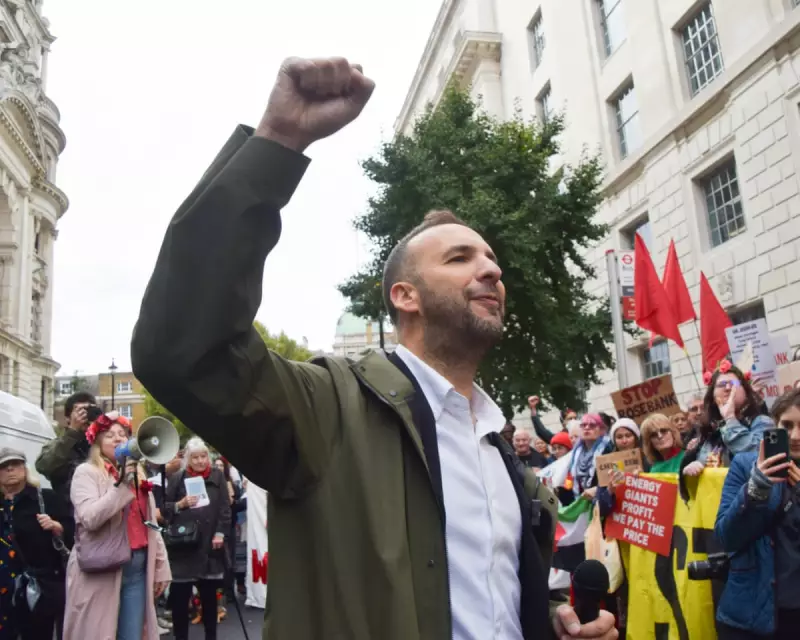
Much like Nigel Farage before him, Zack Polanski possesses a talent for cutting through the noise. His habit of stating bluntly what other politicians obfuscate has made him a significant presence on platforms like TikTok and is increasingly his passport to television studios. Analysis by PR consultancy Be Broadcast revealed that between 1 September and 20 October, Polanski received more broadcast mentions than Liberal Democrat leader Ed Davey and nearly as many as Tory heavyweight Kemi Badenoch.
More surprisingly, the Greens accrued the most positive, solution-focused coverage during this period. Polanski's political imagination allows him to position himself one step ahead of Labour's reluctant trajectory. He subverts questions about serving in a Keir Starmer coalition by cheekily suggesting Starmer might not be around long enough to form one. Should Shadow Chancellor Rachel Reeves deliver a 'soak-the-rich' budget, Polanski, a longstanding wealth tax advocate, is poised to claim credit for pushing the party leftwards.
His leadership was tested early when, as the Jewish leader of a zealously pro-Palestinian party, he delivered a conference speech hours after a Manchester synagogue stabbing. His response was widely noted as strikingly deft and thoughtful for a political relative novice.
The Road Ahead: Consequences of a Crossover
The ultimate test is whether Polanski can convert this momentum into a sustained lead. Polling doesn't just reflect reality; it can accelerate it. When Reform overtook the Tories, it gave Nigel Farage the platform to argue his party was the new natural home for the right, encouraging hesitant voters to jump ship.
For the Greens, with their four MPs, claiming plausible dominance over Labour's 400-plus is harder. However, Labour's Achilles' heel is its reliance on supporters who vote grudgingly to beat Reform, believing a more radical left-wing party cannot win. If enough of these voters start to believe—rightly or wrongly—that the old electoral constraints no longer apply, the political calculus shatters.
Labour still holds the heft, experience, and ground operation necessary to lead a left-wing alliance. But should the polls cross, Labour will lose its ability to assume seniority as of right. As Polanski warned in October, "We are not messing around." The evidence suggests he meant every word, setting the stage for a dramatic reconfiguration of British political power.