The Republican Party faces mounting pressure to address America's affordability crisis, yet internal analysis reveals the party is struggling to present credible solutions. Despite attempts to position themselves as champions of economic relief, two fundamental obstacles stand in their way: their own policies and their president.
The Affordability Conundrum
Following recent election results, Republican figures have been vocal about the need to focus on making the American dream affordable again. Entrepreneur Vivek Ramaswamy immediately posted a video emphasising the urgency of bringing down costs for electricity, groceries, healthcare, and housing. Meanwhile, Vice President JD Vance attempted to defend the administration's record, claiming progress on inflation and interest rates while blaming previous leadership for ongoing challenges.
The reality, however, paints a different picture. As Representative Marjorie Taylor Greene acknowledged in a recent interview, Republicans are doing nothing substantial to address the affordability crisis. Her concerns highlight the growing tension within the party between recognising the problem and implementing effective solutions.

Policy Failures Across Key Sectors
Examining specific policy areas reveals why Republican efforts are falling short. On energy costs, the Low-Income Home Energy Assistance Programme (LIHEAP) faces significant challenges. While the programme escaped presidential budget cuts, its funding remains inadequate, and the entire staff was dismissed during the 2025 Health and Human Services purge, creating delays in restoring subsidies as winter approaches.
Grocery prices continue to rise, with Trump's tariffs increasing costs for everything from rice to Halloween candy. Agricultural labour shortages, worsened by mass deportation policies, have driven fruit and vegetable prices up by 15% this year according to Farmonaut analysis.
Housing affordability faces new threats from proposed Housing & Urban Development rules that could jeopardise rental assistance for 4 million low-income Americans. Meanwhile, potential funding cuts to permanent housing programmes risk dramatically increasing homelessness.
Healthcare: The Most Glaring Failure
The recent 42-day government shutdown, triggered by Republican refusal to extend Affordable Care Act tax credits, represents the most visible policy failure. Despite Representative Greene's warnings that allowing these credits to lapse would cause health insurance premiums to double for millions, Republican leadership appears willing to let them expire.
Majority Leader John Thune discussed addressing the healthcare question only by mid-December, just days before the winter recess and dangerously close to the 1 January deadline when credits are set to lapse. This timeline virtually ensures that 24.3 million ACA enrollees, three-quarters of whom reside in Republican-leaning states, will face skyrocketing premiums.
Presidential Contradictions Compound Problems
President Trump's inconsistent messaging further complicates Republican efforts. His pre-election social media posts promised massive energy cost reductions and $2 gasoline, while post-election celebrations claimed the economy was booming and costs were declining.
Yet when pressed about affordability concerns, the president has displayed visible frustration, at times calling it a Democratic con job and refusing to discuss the issue. His recent news conference with Hungarian Prime Minister Viktor Orbán saw him deflect questions about living costs with false claims about comparative expenses under different administrations.
The president's proposed solutions have lacked substance, ranging from a $2,000 tariff dividend to 50-year mortgages and direct healthcare payments. Treasury Secretary Scott Bessent has been left to clarify that these ideas don't represent formal proposals, further undermining the administration's credibility on economic matters.

Optical Challenges and Political Consequences
The administration's handling of nutrition assistance during the shutdown created particularly damaging optics. While moving to halt benefits for 42 million food stamp recipients, the president attended a lavish Gatsby-themed Halloween party at Mar-a-Lago, posting photos of renovated marble bathrooms even as food pantries prepared for crisis.
Even as the shutdown appeared to be ending, the administration asked the Supreme Court to block a lower court's order to distribute full SNAP benefits immediately. The implicit message to struggling Americans did not resonate well with voters concerned about basic living costs.
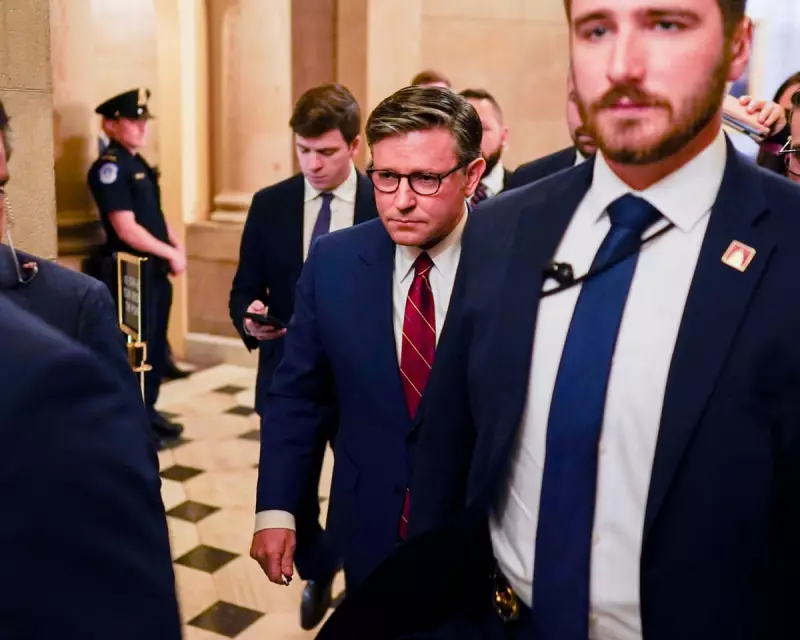
House Speaker Mike Johnson's attempt at reassurance sounded hollow given the policy reality. His promise that struggling Americans have a home in the Republican party contrasts sharply with the party's actual policy directions that threaten to leave many with inadequate healthcare, housing, and nutrition support.
The fundamental challenge remains: until Republicans can reconcile their policy agenda with genuine affordability solutions, their attempts to position themselves as champions of economic relief will continue to ring hollow with voters facing real financial pressures.