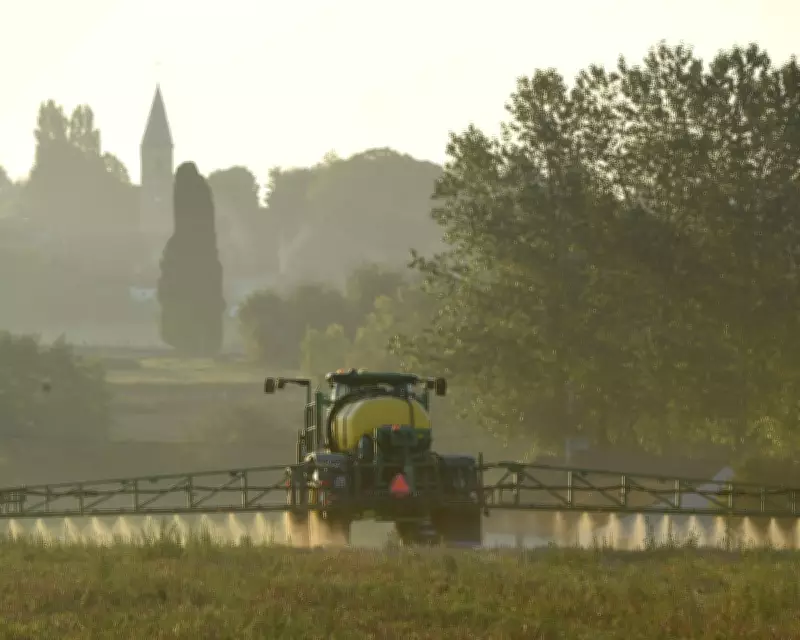
A new trade deal with the European Union could lead to restrictions on the use of the controversial weedkiller glyphosate on UK food crops. The full-spectrum herbicide, which kills almost every plant it touches, is often sprayed on wheat, oats, and other cereal and pulse crops shortly before harvest to desiccate them and make them easier to handle.
This practice has been banned in Europe since 2023 over fears of the chemical's impact on human health. Now, a wide-ranging new trade agreement with the EU could force the UK to fall into line. Officials from the Department for the Environment, Food and Rural Affairs (Defra) are negotiating with their EU counterparts over the terms of a sanitary and phytosanitary (SPS) agreement intended to make trade with the bloc easier, cheaper, and more predictable.
Environmental Groups Call for Action
Environmental groups say the government should use the opportunity to end the pre-harvest use of glyphosate. In an open letter to Defra on Wednesday, organizations including the Soil Association, the Nature Friendly Farming Network, Greenpeace, and the Wildlife Trusts stated: Phasing out glyphosate as a pre-harvest desiccant, in line with restrictions across the EU, would alleviate concerns over public health and nature, while facilitating closer trade with our European neighbours.

The World Health Organization classified glyphosate as probably carcinogenic to humans in 2015, and it has been at the centre of more than 17,000 lawsuits in the US alleging it causes cancer and other health problems. A group of experts concluded in March that glyphosate and glyphosate-based herbicides cause genetic damage, oxidative stress, and hormonal disruption. They urged regulatory agencies worldwide to treat them as hazardous and act without further delay to limit or eliminate their use to protect public health.
Widespread Use and Residues
Despite these concerns, the weedkiller remains in widespread use. Between 2016 and 2023, 41% of UK cereal crops tested contained glyphosate residues, and in 2024, 28% of UK bread samples tested positive. Cathy Cliff, campaigns coordinator for the Soil Association, said: Experts are increasingly warning that there is no safe dose of glyphosate, meaning the chemical should be removed from our food. Evidence of the harms linked to glyphosate has rocketed over the last decade, and we are calling on the government to respond. It is time to cut the chemicals from our food and fields.
Defra did not comment on the talks with the EU when approached by the Guardian on Tuesday, but changes to the regime on glyphosate seem likely. British farmers and businesses have been told to expect changes to pesticides and their respective maximum residue levels, as well as changes to pesticide and biocide active substance approvals.
Industry Pushback
Farmers are not too worried, as despite restrictions on glyphosate, the EU's regime on pesticide use remains permissive. According to a report by the European Food Safety Authority on Tuesday, 41.6% of fruit and vegetables sold in the EU contained pesticide residues. The talks come before the UK licence for glyphosate expires in November, triggering a concerted push by the chemical industry for its renewal. According to Farmer's Weekly, the Glyphosate Renewal Group, a coalition including Bayer, Syngenta, and Nufarm, has made submissions to the Health and Safety Executive, the agency responsible for licensing pesticides, and lobbied for exceptions to the SPS agreement to allow continued use as a pre-harvest desiccant.
Public Awareness and Concern
Awareness of glyphosate use in the UK food system is low despite fears about health impacts from chemical exposure, according to a survey commissioned by organic food retailer Riverford, which campaigns to end pre-harvest spraying. The poll of 2,000 adults found that 79% had never heard of glyphosate, but 83% were concerned about long-term exposure to chemical residues in food, and 66% were outraged that glyphosate is used in the UK food system.
A Defra spokesperson said: Like all pesticides, glyphosate is subject to strict regulation.