The Independent Football Regulator (IFR) has been urged to prevent Premier League clubs from accepting sponsorship from gambling companies that are unlicensed in the UK, as part of the latest public consultation on its licensing regime. Entain, the global sports betting company that owns Ladbrokes and Coral, submitted a response to the IFR requesting a clarification of guidance that would prohibit clubs from doing commercial deals with operators lacking a UK license.
Current Sponsorship Deals with Unlicensed Operators
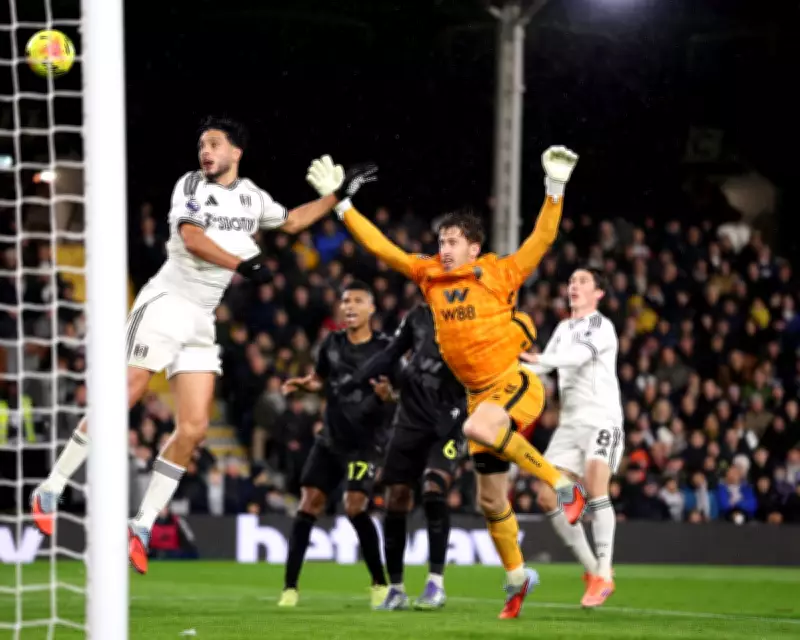
This season, five Premier League clubs have front-of-shirt sponsorship deals with gambling companies not licensed in the UK: Everton (Stake), Sunderland (W88), Fulham (SBOTOP), Bournemouth (bj88), and Burnley (96.com). Additionally, 18 of the 20 clubs have displayed advertising for unlawful operators on LED boards at their grounds during matches.
Voluntary Ban and Unregulated Market
The Premier League plans to introduce a voluntary ban on front-of-shirt sponsorship from gambling companies next season. However, it has not addressed the unregulated market, which generates £4.3 billion annually in Britain, according to research by the Betting and Gaming Council. Entain's chief executive, Stella David, wrote to Premier League CEO Richard Masters in February proposing a meeting, which has yet to occur.

David highlighted the symbiotic relationship between sports piracy and unlicensed gambling, which threatens the competition's lucrative broadcast model. The combined TV rights deals are worth approximately £12 billion, with £6.7 billion from the UK. The Campaign for Fairer Gambling's 2024-25 report found that 89% of illegal streams in the UK, which have more than doubled to 3.6 billion in the past three years, feature adverts for unlicensed bookmakers.
Transition to Sleeve Sponsorship
Premier League clubs are free to accept sponsorship income from unlicensed operators, and several are expected to move existing front-of-shirt deals to kit sleeves next season. This includes Everton and Stake, an online casino that gave up its UK license last year amid a Gambling Commission review after using a promotional video featuring porn actor Bonnie Blue.
IFR's Draft Licensing Code
Entain's submission responds to the IFR's second licensing consultation, which closed this week, seeking views on a club licensing regime for the top five tiers of English men's football. The IFR's draft code prohibits English clubs from accepting income "connected to serious criminal conduct." Entain is asking the regulator to confirm that this covers gambling companies operating without a UK license, as under section 33 of the Gambling Act 2005, such operators commit a criminal offense if they accept bets from British consumers.
The IFR declined to comment, but sources indicated it would consider all submissions as part of the consultation process.
Growth of Unlicensed Operators
The rise of unlicensed operators poses a significant problem for the gambling industry and wider society. These operators do not pay tax on bets taken from the UK, and evidence suggests some target vulnerable users due to lack of regulation. A Gambling Commission report last year found that 67% of GamStop users, who have excluded themselves from licensed gambling, were targeted by advertising from unlicensed operators.
Research by Frontier Economics estimated that 1.5 million Britons bet £4.3 billion last year on unlicensed sites, giving them a 9% market share, up from 2% four years ago. A report by Yield Sec estimated that 420,000 British schoolchildren gamble with unlicensed operators. There are concerns that recent tax changes increasing online gaming duty from 21% to 40% will further fuel the growth of unlicensed operators.
Opposition to the IFR
The Premier League and its clubs opposed the creation of the IFR, whose primary role is ensuring financial sustainability, warning of mission creep. The IFR also faces calls from Kick It Out to make significant changes to its governance code, including setting targets for minority ethnic staff employment and annual diversity reporting.