The Australian Coalition opposition has placed a dramatic shift in energy policy and future cuts to immigration at the centre of its political strategy, following a special party room meeting that endorsed a move away from legislated net zero targets.
A New Direction for Energy and Emissions
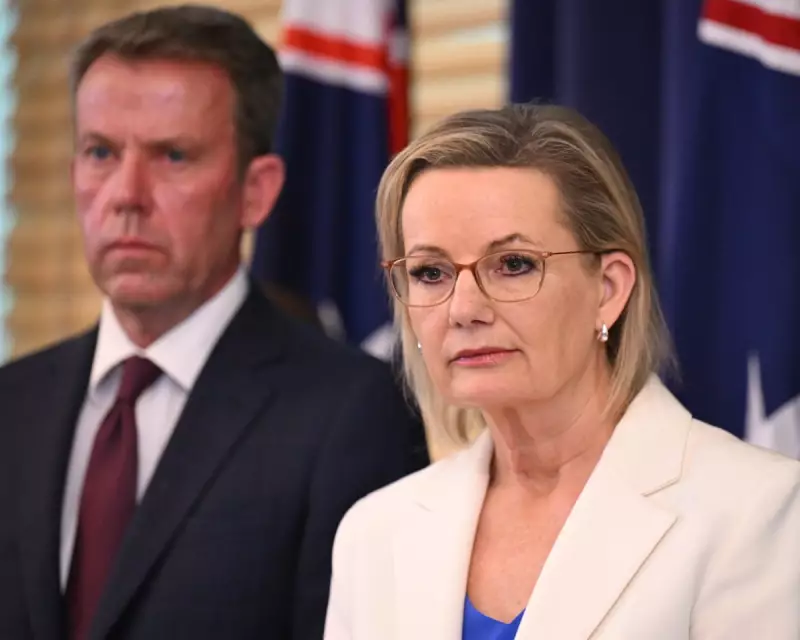
In a significant policy reversal, Opposition Leader Sussan Ley announced that a future Coalition government would fundamentally alter the objectives of the national electricity market. The central change would see the Australian Energy Market Operator (AEMO) directed to prioritise lower power prices for consumers over emissions reductions.
Ley and Nationals leader David Littleproud confirmed the plan would involve government intervention to prevent the "premature" closure of coal-fired power plants. Furthermore, taxpayer funds would be used to support energy supply in a direct effort to cut household bills. The existing Capacity Investment Scheme, which currently underwrites renewable energy and storage projects, would be expanded to include coal.

Shadow energy minister Dan Tehan described the approach as "technology neutral," confirming a Coalition government would make targeted investments across the energy spectrum, including in fossil fuel technology.
Immigration Becomes the Next Political Front
Seeking to head off further internal disputes, Sussan Ley swiftly moved to identify the next major policy area. She declared that the Coalition would release a new immigration policy within weeks, with shadow home affairs minister Jonathon Duniam and shadow immigration minister Paul Scarr tasked with finalising the details.
Ley stated unequivocally that overseas arrivals into Australia were "far too high" under the current Labor government. However, she provided no specific details on which streams of the migration intake would be reduced, setting the stage for a major political battle in the coming weeks.
Internal Division and Leadership Pressure
The new policy direction has not been without its critics. During Sunday's virtual party room meeting, moderate Liberal MPs questioned aspects of the plan, particularly the move to add coal to the government's renewable energy scheme. This follows a bruising internal debate the previous week, where conservative Liberals successfully engineered a move to drop the Coalition's commitment to net zero by 2050 policies.
Despite the policy backdown, Ley's leadership is under pressure. The opposition's standing in recent polling has hit new lows, and some Liberal MPs anticipate a potential challenge, likely from Andrew Hastie or Angus Taylor. The internal friction was further highlighted by Hastie's recent resignation from the frontbench over a dispute on policy development.
Prime Minister Anthony Albanese seized on the Coalition's turmoil, accusing them of policy inconsistency and poor leadership. "Australians shouldn't pay the price of Coalition chaos because that is what we are dealing with now," Albanese said during a stop in Melbourne, labelling the opposition a "rabble and clown show."
While the Coalition's new emissions policy abandons a science-based trajectory, it keeps Australia in the Paris climate agreement. Reductions would be achieved by tracking "the real performance of OECD countries" and only as fast as technology allows, without imposing costs on families or industry.