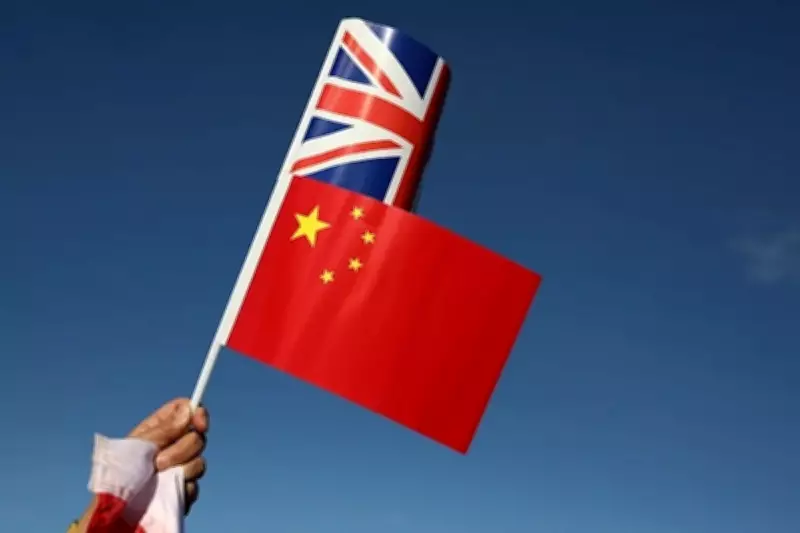
A Chinese website has sold half a million British people's medical data, the government has revealed. Confidential medical data belonging to half a million Britons was stolen and put up for sale on a website in China.
Data stored in UK Biobank, the world's most comprehensive set of health information used by scientists for research, was stolen by hackers and listed on Alibaba. The data did not contain personal information but rather 'de-identified' details for volunteers aged between 40 and 69 in 2010.
The information was put up for sale on the e-commerce website and has since been removed. Biobank is said to have had 'lax' security arrangements to protect data.

Government Response
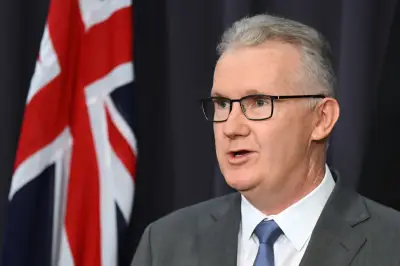
Technology minister Ian Murray said there had been 'an unacceptable abuse of the UK Biobank charity's data and abuse of the trust that participants readily expect'. He added: 'The government takes this incident extremely seriously which is why we have acted rapidly to support the UK Biobank charity in their response and why I wanted to update the House at this earliest opportunity.'
Murray told MPs: 'The government will soon issue new guidance on controlling data from research studies, and I'd like to take this opportunity once again to urge all businesses and charities to ensure their systems and data sharing processes are as secure as possible. We wrote out to businesses last week about the cybersecurity tools available to them for free from the government and the steps they should take to maximise security. Ensuring the safe use of UK Data is a priority for this government.'
Political Reaction
Reform UK deputy leader Richard Tice labelled the breach a 'China data theft scandal', citing the use of £200 million of taxpayer cash to set up UK Biobank. 'This scandal is essentially a China data theft scandal of UK Biobank data, generously donated by some half a million British citizens,' Tice said.
Victoria Collins, the Liberal Democrats technology spokeswoman, said the breach was a 'profound betrayal of people who trusted this institution' and urged the government to hold UK Biobank accountable.
UK Biobank Response
Professor Sir Rory Collins, chief executive and principal investigator of UK Biobank, said it was 'developing the world's first automated checking system able to prevent de-identified participant data from being taken off the UK Biobank research platform' without preventing scientists from doing their work. 'We intend to have this automated system in place around the end of this year,' his statement said.