White House Unveils Controversial Offshore Drilling Expansion
The Trump administration has ignited a fresh political firestorm by announcing plans for new oil and gas drilling off the coasts of California and Florida. This move, confirmed on Thursday, sets the stage for a significant confrontation, even with Republicans in the Sunshine State who have historically opposed petroleum development in the Gulf of Mexico.
This push for expanded offshore access comes as the US petroleum industry, despite grappling with low crude prices, campaigns for entry to additional drilling areas. According to the Associated Press, the industry's drive for increased access is also framed as an effort to boost American job creation and enhance the nation's energy independence.
Decades-Old Bans and New Auction Plans
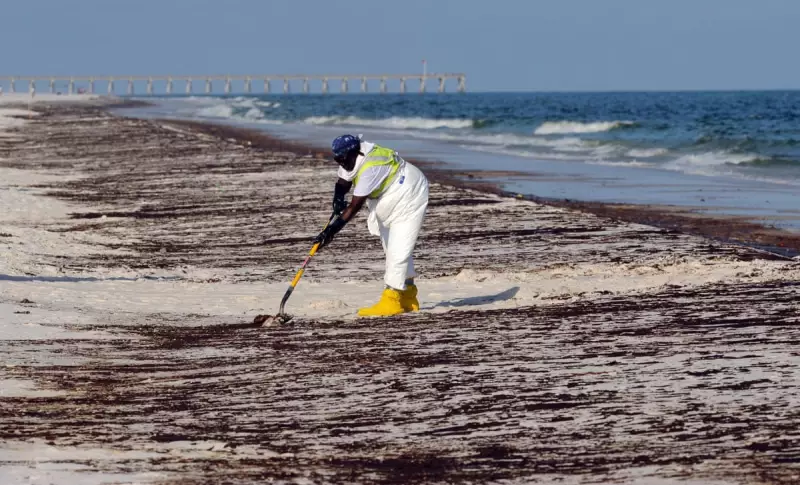
The federal government has maintained a prohibition on offshore drilling in the eastern Gulf of Mexico, an area stretching from the shores of Florida to parts of Alabama, since 1995. This long-standing ban was originally implemented due to widespread concerns about the devastating potential of oil spills.
While California currently hosts some existing offshore oil development, the Associated Press notes that there have been no new leases issued in federal waters for nearly 30 years.
A proposed schedule for petroleum leasing, detailed by Politico, outlines an ambitious plan involving up to 34 auctions between 2026 and 2031. This schedule includes:
- Up to six sales off the coastline of California.
- Twenty-one sales off the coast of Alaska.
- Two sales in the eastern portion of the Gulf of Mexico.
Reports indicate that the Alaskan sales would encompass a region that has never before experienced oil drilling.
Political Backlash and Bipartisan Opposition
This announcement is seen as a direct reflection of President Trump's persistent efforts to dismantle the environmental and climate policies of his predecessor, Joe Biden. The Associated Press highlighted that Trump has publicly dismissed climate change as "the greatest con job ever perpetrated on the world" and has established a National Energy Dominance Council to aggressively promote domestic energy production, with a clear focus on fossil fuels.
Simultaneously, the administration has actively thwarted the development of renewable energy, including offshore wind farms, and has axed billions in green energy grants.
The reaction from coastal states was swift and forceful. Gavin Newsom, the Democratic Governor of California and a potential presidential candidate, outright rejected the expansion of offshore drilling, labelling the plan "dead on arrival."
In Florida, opposition has been notably bipartisan, driven by the vital importance of the state's pristine beaches and sparkling waters, which form the foundation of its $131 billion tourism industry.
Florida's Republican Senator, Rick Scott, successfully dissuaded Trump from similar offshore drilling plans back in 2018. He, along with fellow Republican Senator Ashley Moody, has co-sponsored a bill intended to maintain the existing ban on drilling.
In a statement released earlier this month, Senator Scott affirmed, "As Floridians, we know how vital our beautiful beaches and coastal waters are to our state’s economy, environment and way of life. I will always work to keep Florida’s shores pristine and protect our natural treasures for generations to come."