Major Environmental Reform Passes Parliament
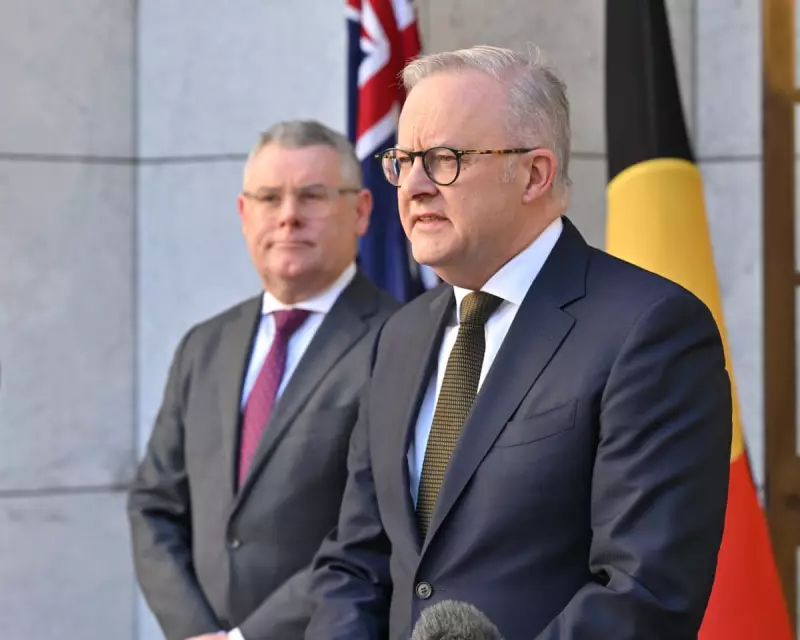
Prime Minister Anthony Albanese has concluded the parliamentary sitting year with a significant legislative victory, securing a deal with the Greens party to pass Labor's comprehensive overhaul of federal environmental protection laws. The agreement marks a pivotal moment in Australia's environmental policy landscape.
The breakthrough came after extensive negotiations between the government and the Greens, with Environment Minister Murray Watt present as Albanese announced the successful partnership. The reforms represent the most substantial changes to Australia's environmental protection framework in decades.
Key Components of the Agreement
Under the negotiated terms, Labor has committed to preventing the fast-tracking of coal and gas projects through the approval process. This concession addresses long-standing concerns about accelerated resource project approvals bypassing thorough environmental assessment.
Additionally, the government agreed to subject native forest logging to national environment standards within an 18-month timeframe. This compromise satisfied Greens' demands for greater protection of Australia's native forests while providing industry with a transition period.
The deal faced immediate criticism from opposition figures, with Sussan Ley describing the legislation as a "bad bill" and characterising the agreement as a "dirty" deal that would potentially drive up energy prices for Australian consumers.
Political Reactions and Broader Implications
In a notable moment of political theatre, former Prime Minister Malcolm Turnbull used the unveiling of his official portrait to comment on energy policy, stating that "energy policy should be determined by engineering and economics, not ideology and idiocy" with Ley in attendance.
The successful passage of the environmental reforms represents a strategic victory for the Albanese government, demonstrating its ability to negotiate with crossbench parties to advance its legislative agenda despite not holding a majority in the upper house.
Barnaby Joyce's National Party Departure
In separate political developments, former deputy prime minister Barnaby Joyce confirmed his resignation from the National Party after three decades of membership. Joyce announced his departure with a "heavy heart," indicating he is strongly considering a move to One Nation.
The resignation marks a significant moment in Australian conservative politics, removing one of the most prominent and controversial figures from the National Party's ranks. Joyce's potential shift to One Nation could realign political dynamics on the right of Australian politics.
Joyce served as deputy prime minister from 2016 to 2018 and again in 2021-2022, leading the National Party through numerous political battles and policy debates, particularly around climate and energy policy.
Other Notable Developments
The news cycle also featured several other significant stories, including environmental activist Ben Pennings declaring victory after Adani ended its years-long legal pursuit. Meanwhile, a coroner found that Lilie James was the victim of a "calculated premeditated killing" by her ex-boyfriend.
In sporting news, the Perth pitch used in the first Ashes Test received the highest ICC rating despite England's struggles, while a photo essay highlighted Cricket Willow - a "Field of Dreams-like shrine to the game" in Victoria's Central Highlands featuring a boutique oval and museum.
Guardian Australia also announced plans to determine the ultimate Australian children's picture book through a public poll in the new year, inviting nominations from readers for this cultural assessment.