New official testing has revealed a troubling picture of England's coastal and inland waters, with one in seven designated bathing spots now classified as polluted. The findings show that popular beaches are being affected by contamination, making them potentially unsafe for swimmers and other water users.
Key Beaches Affected by Poor Water Quality
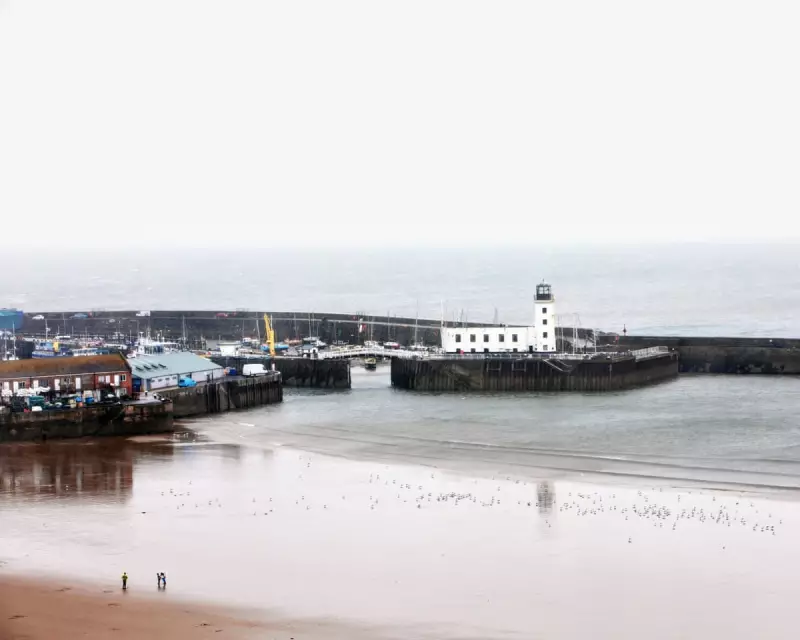
The latest assessment identified several famous bathing locations that have received a 'poor' water quality rating, meaning swimming is not recommended. Among the affected areas are Scarborough's South Bay, Bognor Regis, and Littlehaven Beach in South Shields. These popular tourist destinations join a growing list of waterways where pollution levels exceed safety standards.
Of the 449 designated bathing sites in England monitored during the summer season from May to September, 13% were rated as polluted. Even more concerning, one in fourteen bathing waters were so contaminated they're officially not recommended for swimming. While 87% of sites met 'excellent' or 'good' standards, representing a slight improvement from 2024, the overall situation remains worrying.
The Root Causes of Water Contamination
Environmental experts point to two primary sources polluting England's rivers, lakes and seas: agricultural run-off and sewage discharges from water companies. These two factors account for almost all pollution in the country's waterways, though the Environment Agency has also cited 'birds and dogs' as contributing factors.
This explanation has drawn criticism from environmental campaigners. Feargal Sharkey, the former Undertones frontman turned water campaigner, told The Guardian: "The EA has started this thing of blaming seagulls and blaming dogs for pooing on beaches because if they blame water companies at all it's a failure of regulation and that's their fault." He described this approach as "an act of gross incompetence."
Future Implications for Bathing Water Designations
The government has announced significant changes to how bathing waters will be designated in future. Ministers have introduced a feasibility test for any waterway where communities seek bathing water status. If water bodies are considered too polluted to improve to at least 'sufficient' quality, they won't receive the designation.
River campaigners warn this restriction will likely exclude many river sites from gaining bathing water status. Currently, no single stretch of river in England is in good overall health, and all rivers with bathing water status currently record poor water quality due to sewage and agricultural pollution.
Despite the UK having left the European Union, it continues to use the EU's bathing water status framework. Recent research has revealed that England's waterways with bathing status are five times more likely to be polluted than those in EU countries.
Water minister Emma Hardy commented on the government's approach: "Our bathing waters are at the heart of so many communities, and these reforms will help people experience the benefits of our beautiful waters and connect with nature. By ending automatic de-designation and bringing in more flexibility to when waters are monitored, we're creating a system that reflects how people actually use their local rivers, lakes and beaches."
The situation highlights the ongoing challenge of balancing public access to natural waters with the pressing need to address pollution sources that continue to affect some of England's most popular coastal destinations.