
The Complex Process of Removing Andrew from the Royal Line of Succession
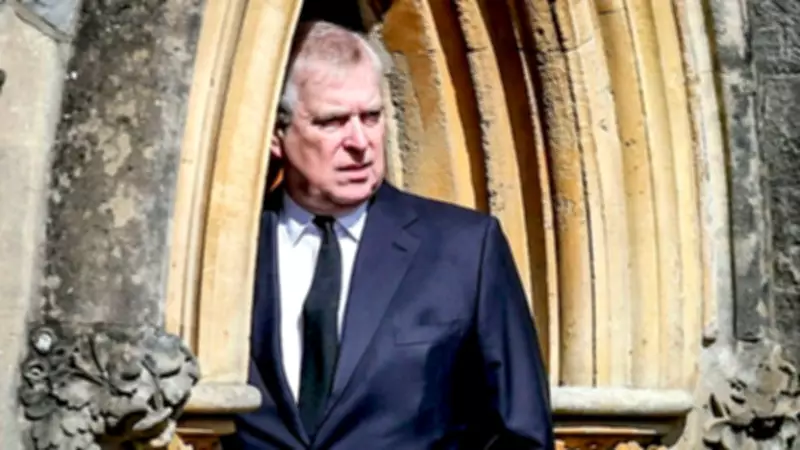
The British government is actively considering steps to formally remove Andrew Mountbatten-Windsor from the royal line of succession, a move that has gained momentum following his recent arrest on suspicion of misconduct in public office. As the eighth in line to the throne, behind Prince William and his three children, as well as Prince Harry and his two children, the likelihood of Andrew becoming king is remote. However, symbolic reasons and public pressure have fueled calls for his removal, with a YouGov poll indicating that 82% of the British public supports this action.
Why Calls for Removal Have Intensified
Andrew was released from Aylsham police station after 11 hours of questioning, though he has consistently denied any wrongdoing. Chief Secretary to the Treasury James Murray stated that the government is evaluating further steps but emphasized caution due to an ongoing police investigation. The arrest has reignited debates about his position in the succession, highlighting concerns over public trust and the monarchy's integrity.
Legal Mechanisms for Removal in the UK
In the United Kingdom, altering the line of succession requires an act of parliament. Prime Minister Sir Keir Starmer's government has committed to considering such legislation once the police investigation concludes. This process involves parliamentary debates and votes, reflecting the constitutional significance of any changes to royal succession laws.
International Agreement Required
Removing Andrew from the line of succession is not solely a UK matter. King Charles serves as the monarch for 14 other countries, known as Commonwealth realms, and any modification to the succession must be agreed upon by all these nations. Prime Minister of Australia Anthony Albanese has expressed support for efforts to remove Andrew, signaling potential cooperation.
The countries that must consent include:
- Australia
- Antigua and Barbuda
- The Bahamas
- Belize
- Canada
- Grenada
- Jamaica
- New Zealand
- Papua New Guinea
- St Kitts and Nevis
- St Lucia
- St Vincent and the Grenadines
- Solomon Islands
- Tuvalu
Barbados, which became a republic in 2021, is no longer part of this group. Achieving unanimous agreement among these nations adds a layer of complexity, as each has its own legislative processes and political considerations.
Implications and Future Steps
The situation underscores the intricate balance between national sovereignty and shared monarchy within the Commonwealth. While the UK can initiate the process, international consensus is crucial for any change to take effect. As the government awaits the outcome of the police investigation, discussions continue on how to navigate this unprecedented scenario, with potential implications for royal protocols and international relations.




