
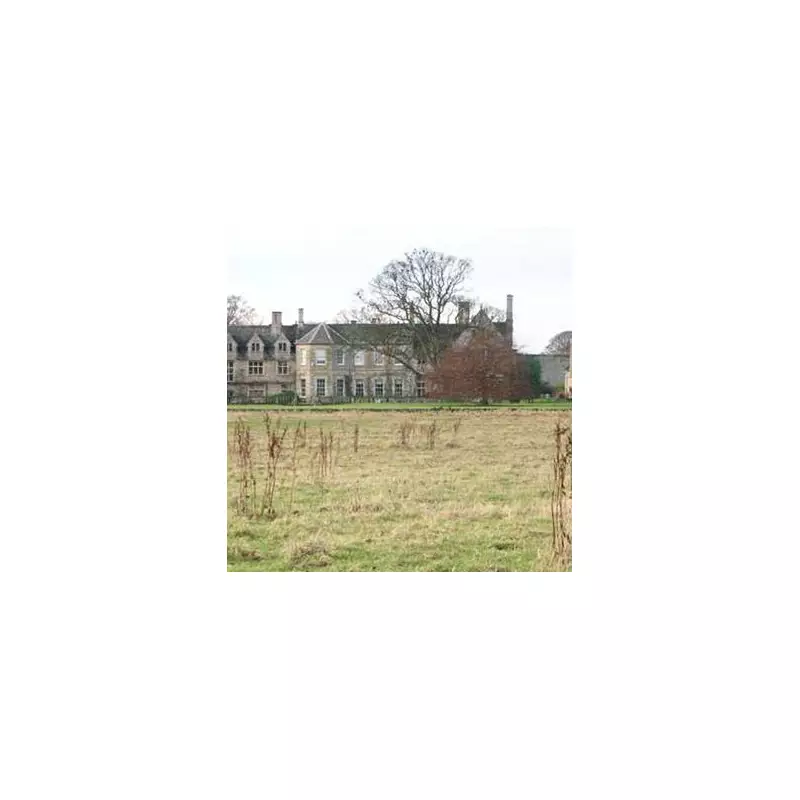
Even members of the Royal Family are not immune to the financial strain of maintaining Britain's historic estates. In a significant downsizing move, the Queen's cousins, the Duke and Duchess of Gloucester, were compelled to abandon their private 40-room mansion because the cost of its upkeep became unsustainable.
The Financial Burden of a Historic Estate
The sprawling residence in question is Barnwell Manor in Northamptonshire, a Grade II-listed property set within 12 acres of land. Originally purchased in 1938 by the late Prince Henry, Duke of Gloucester (the third son of King George V), and his wife Princess Alice, the 436-year-old estate had been a Gloucester family home for decades.
However, by 1995, the financial reality had become too harsh. Prince Richard, the current Duke of Gloucester, and his wife, Birgitte van Deurs, made the difficult decision to leave. Their private secretary at the time, Major Nicholas Barne, stated the move was "basically for financial reasons," citing a "general erosion of finances over the years" due to the manor's size and tough times for farming.
Royal Income Was Not Enough
Despite receiving £175,000 per year from the Queen via the Civil List, combined with their own farming income, the funds were insufficient to maintain the vast property. This revelation highlights the immense ongoing costs associated with heritage buildings, costs that can challenge even those with royal allowances.
The family, including their children Alexander Windsor (Earl of Ulster), Lady Davina Windsor, and Lady Rose Gilman, relocated to a 21-room apartment at Kensington Palace, adjacent to the then-home of Prince William and Kate Middleton. Notably, they chose not to sell Barnwell Manor but instead leased it out for £30,000 per annum.
Downsizing and the Manor's New Life
The Gloucesters' move was not their last. In 2019, after their children had grown up and moved out, they downsized further within the Kensington Palace grounds, taking up residence in The Old Stables.
Meanwhile, Barnwell Manor found a new purpose. Since 2017, it has been occupied by Windsor House Antiques, a traditional antique dealer, ensuring the historic building remains in use and preserved for the future.
This episode serves as a stark reminder of the heavy responsibilities that come with Britain's architectural heritage, demonstrating that the duty of preservation can demand significant personal and financial sacrifice, regardless of one's status.




