
In a significant break from parliamentary tradition, a committee of MPs has launched an inquiry into the Crown Estate, directly challenging the long-standing prohibition on discussing the monarchy's finances in the House of Commons. This move signals a potential shift towards greater transparency and public accountability for royal expenditures.
The End of a Self-Imposed Gag?
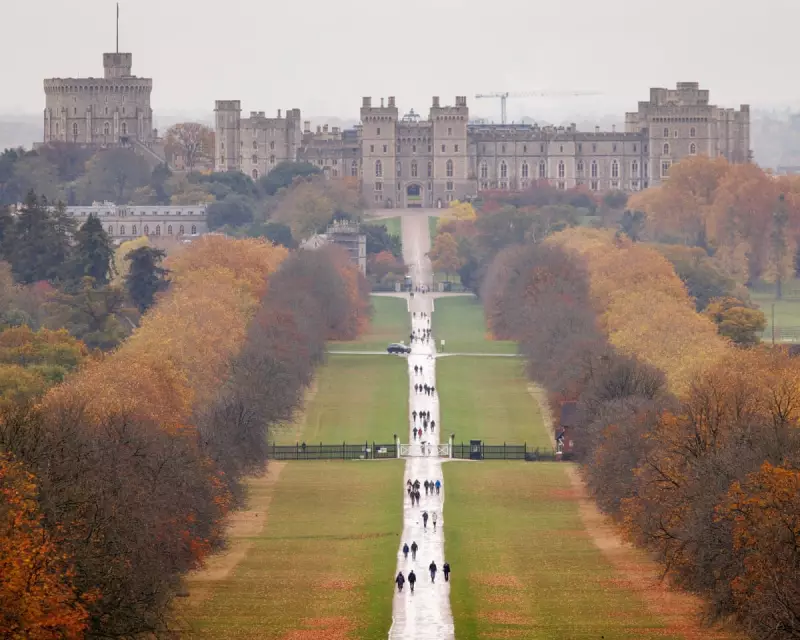
For centuries, a self-imposed rule has prevented the House of Commons from formally debating the monarchy or the royal family. This week, the Commons public accounts committee took an extremely unusual step in the modern era by announcing an investigation into the Crown Estate. The probe was triggered by revelations that Prince Andrew and Prince Edward have been paying minimal 'peppercorn rents' for extensive properties owned by the estate.
The Crown Estate is a public body established by statute in 1961, independent of both the monarch and the government. It functions as a highly successful property portfolio, valued at an estimated £15.5 billion. Since the abolition of the civil list in 2011, the monarchy receives a 'sovereign grant' from the estate's profits, a payment that is both generous and protected from public spending cuts.
Scrutinising 'Value for Money'
The core of the inquiry will be whether the Crown Estate provides proper 'value for money' for the public. As the Treasury acknowledged in a letter to committee chair Sir Geoffrey Clifton-Brown, the estate's commissioners have a statutory duty to maintain and enhance its value and returns. This financial scrutiny is seen as a legitimate and necessary tool for parliamentary accountability, similar to how other public bodies like the NHS are examined.
The inquiry is expected to examine the terms of the sovereign grant, which is due for review in 2026. Notably, the grant includes a share of profits from offshore wind development, meaning a portion of revenue that could have gone to the Treasury is directed to the crown. The committee's findings are likely to generate significant public interest and could unlock a wider, overdue debate about the monarchy's modern role and cost.
Lifting the Stone on 'Grace and Favour'
A key aspect of the investigation will focus on the allocation and upkeep of 'grace and favour' residences. The inquiry aims to reveal the previously unpublished terms under which these properties were and are allocated to members of the royal family. According to former Liberal Democrat minister Norman Baker, there were 272 such residences in 1993, the last year for which a figure is available, compared to just 11 'working' royals today.
This scrutiny may lead to further unwelcome disclosures for the royal household, particularly regarding the terms enjoyed by Andrew Mountbatten-Windsor and others. The committee has been urged not to flinch from this task out of misplaced deference. The announcement coincides with a shifting public mood, underscored by the launch of a sceptical BBC series presented by David Dimbleby, 'What's the Monarchy For?', suggesting that times may indeed be changing for the crown.




