
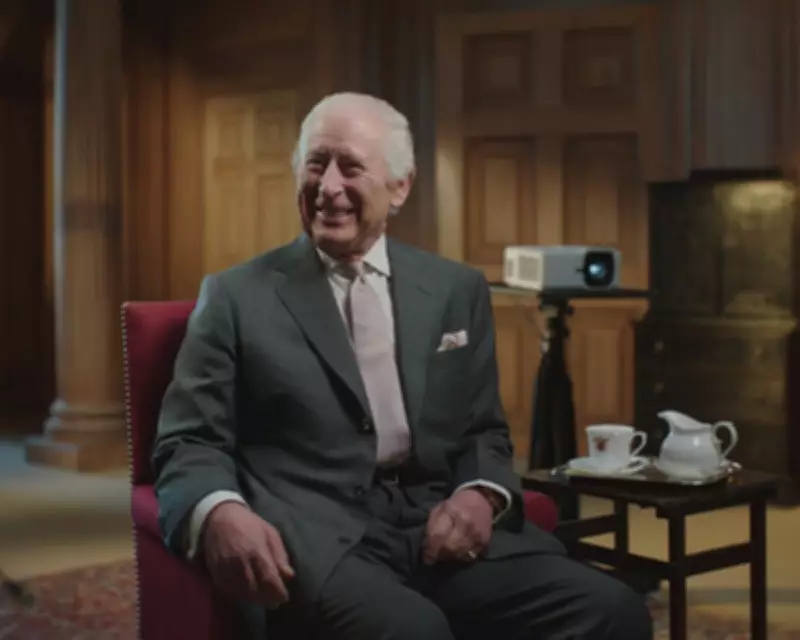
King Charles Documentary on Amazon Faces Mixed Reception
The new documentary Finding Harmony: A King's Vision, featuring King Charles III, has premiered on Amazon Prime Video to a wave of critical scrutiny. The film, which runs for 90 minutes, presents the monarch's long-standing environmental advocacy but has been criticised for its overly reverential tone and peculiar philosophical diversions.
An Uncritical Profile of Royal Environmentalism
At its core, the documentary argues that the global climate crisis might have been averted if the world had heeded King Charles's warnings decades ago. Narrated by Kate Winslet in what reviewers describe as an "awestruck" manner, the film traces the king's environmental activism back to the 1960s, highlighting his early promotion of organic farming and sustainable practices.
The film positions Charles as a visionary who was often dismissed as eccentric or extreme during his earlier campaigns. It showcases historical headlines labelling him a "lunatic" for his views, contrasting them with today's mainstream acceptance of climate science. However, this narrative has drawn criticism for overlooking other key environmental pioneers like Aldo Leopold and Rachel Carson, who also shaped the movement.
Bizarre Philosophical Tangents and Production Choices
Where Finding Harmony becomes particularly contentious is in its attempt to expand beyond environmentalism into the king's broader philosophy of "harmony." The documentary ventures into unexpected territory, suggesting that walking through forests benefits health because pine particles enter the bloodstream, or that the housing crisis stems from public aversion to unattractive tower blocks.
One notably strange segment proposes that the universe is filled with repeating mathematical patterns that influence human emotions and wellbeing. Reviewers have likened this section to a surreal, almost psychedelic experience, with one noting it feels as if "King Charles dropped a sneaky tab of acid then spent the afternoon staring at the back of his hand."
Amazon's Platform and Editorial Approach
The documentary's release on Amazon Prime Video raises questions about the streaming giant's programming strategy. This follows closely on the heels of another high-profile project: a $75 million film about Melania Trump. Critics suggest Amazon is increasingly providing uncritical platforms to powerful figures, potentially to curry favour or enhance its prestige content library.
Unlike traditional broadcasters like the BBC, which might have challenged some of the film's more speculative claims, Amazon appears to have offered a largely unfiltered outlet for the king's message. This has led to a finished product that some describe as "intensely frustrating" due to its lack of editorial balance and occasional descent into what one reviewer terms "woo-woo elements."
Legacy and Contemporary Relevance
Despite its flaws, the documentary underscores King Charles's enduring commitment to environmental causes. It revisits projects like the restoration of Dumfries House, which aimed to train communities in traditional skills, though it notably omits mention of the associated cash-for-honours scandal. Other initiatives highlighted include programmes teaching prisoners beekeeping and efforts to rebuild Kabul through art education.
The film's release also reflects a shift in how royal content reaches audiences. Two decades ago, such a documentary would likely have aired on a major terrestrial channel, commanding millions of viewers. Today, it competes for attention in Amazon's vast digital catalogue, nestled among viral content and international series.
Finding Harmony: A King's Vision is now available for streaming on Prime Video, inviting viewers to judge whether the king's message of harmony can resonate in today's fragmented media landscape.




