
Harry and Meghan's Australian Visit: Royal Tour or Brand-Building Exercise?
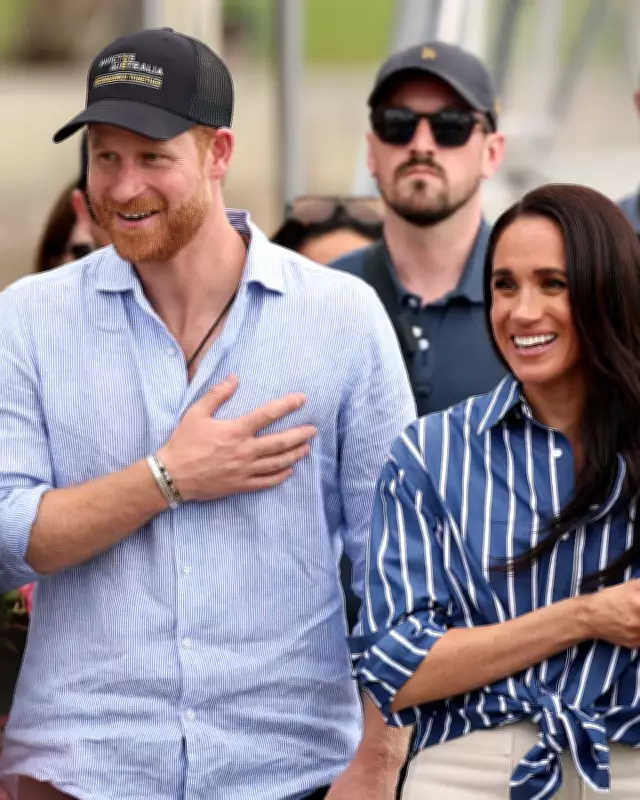
Prince Harry and Meghan Markle concluded their four-day Australian tour in Sydney, wrapping up a visit that has ignited intense speculation about its true nature and objectives. The couple's activities ranged from mental health discussions and charity engagements to high-priced wellness retreats and media appearances, leaving observers questioning whether this was a genuine royal-style tour or a strategic brand-building mission.
The Claytons Tour Phenomenon
In Australian cultural parlance, the Sussexes' visit has been described as a "Claytons" tour – a reference to the famous non-alcoholic beverage marketed as "the drink you have when you're not having a drink." This characterization highlights the tour's ambiguous status: while Harry and Meghan remain royals by birth and marriage, their current non-working royal status created a hybrid experience that blended elements of traditional royal visits with commercial and personal branding activities.
The tour's events were tightly controlled, with no questions permitted from journalists, yet public curiosity persisted about everything from ticket prices for commercial dinners (reportedly around $3,000) to Meghan's fashion investments and the overall taxpayer cost of security arrangements. Associate Professor Lauren Rosewarne from the University of Melbourne's school of social and political sciences suggests the primary purpose was brand enhancement, noting that "they are visiting Australia in service of their brand as individuals and as a couple."
Contrasting Receptions: 2018 vs. 2024
The current tour presented a stark contrast to Harry and Meghan's triumphant 2018 Australian visit, when newly married and expecting their first child, they were greeted by rapturous crowds and met with then-Prime Minister Scott Morrison. That visit generated widespread public enthusiasm and media adoration, with Harry himself noting in a 2021 interview that it demonstrated Meghan's natural aptitude for public engagement.
Giselle Bastin, a Flinders University associate professor and royals researcher, observes that "the celebrity shine has rather worn off" since 2018, citing "so much fracture and unhappiness around the couple and their relationship with the royals." This tour featured no large public gatherings designed to prevent excessive security costs, and the overall public response appeared more ambivalent than adoring.
Commercial Ventures and Charity Work
The tour's commercial aspects drew particular scrutiny, especially Meghan's headline appearance at the three-day "Her Best Life" wellness retreat in Sydney. Tickets ranged from A$2,699 to A$3,199 for VIP experiences including group photos with the duchess. Simultaneously, Meghan promoted her As Ever product line, described on its website as "more than a brand" and "a love language" featuring jams, spice kits, and candles.
Bastin criticized the commercial approach as "tin-eared," suggesting that "having to flog A$3,000 tickets to a wellness retreat looks quite pointless in the current world climate." However, the tour also included genuine charitable engagements: Harry participated in mental health discussions, launched a report on Australian fathers' struggles, volunteered with Lifeline, and joined Meghan in serving meals to homeless women and visiting children's hospitals.
Public and Media Reactions
Public response to the tour revealed deep divisions. Some critics, like reader David who wrote to media outlets, dismissed the couple as "some of the largest Grifters in the world today" and questioned continued media coverage. Rosewarne notes this reflects broader perceptions of the couple as "grifters who only have fame because of the very same family they are perceived to constantly besmirch."
Yet supporters emerged as well. Rose Dennis, a Western Bulldogs AFL fan who encountered Harry during his club visit, defended the couple's motivations: "I heard someone say it's just a publicity thing, but it's not, he's really interested in men's mental health." The media frenzy surrounding the tour was undeniable, with celebrity PR agent Max Markson observing that "whether it's been negative or positive, it doesn't matter; they've made a noise."
Strategic Implications and Future Prospects
Bastin suggests the tour may have served as a testing ground, allowing Harry and Meghan to "cosplay what it might be like if they once again become working royals" while gauging public reception. The financial pressures facing the couple have been widely reported, despite Harry's inheritance from his mother Princess Diana and the Queen Mother, adding context to their commercial activities.
For charities involved, the celebrity association presented both opportunities and risks. While high-profile attention can boost visibility and fundraising, divisive figures can also generate controversy. As Rosewarne notes, "charities will need to decide whether having them gave them good press."
The tour's ultimate success may be measurable only through private metrics: the Sussexes' bank balances and the fundraising results of supported charities. What remains clear is that the visit highlighted the complex intersection of royalty, celebrity, commerce, and philanthropy in the modern media landscape, demonstrating how traditional royal functions can evolve when undertaken by individuals operating outside official palace structures.




