
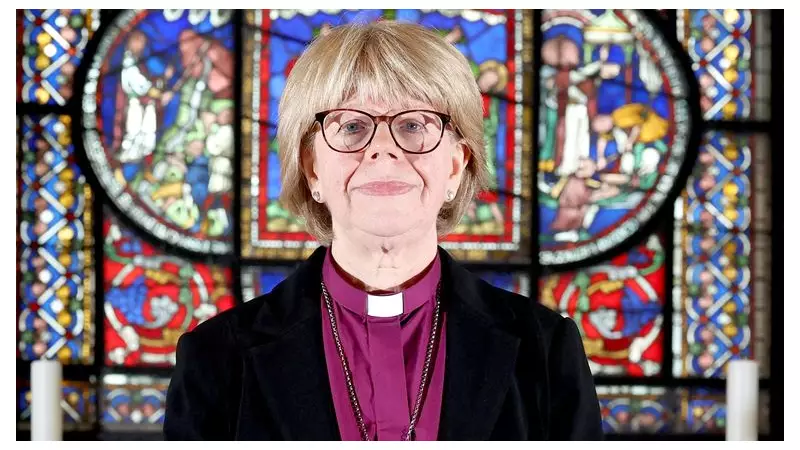
Historic Confirmation: Dame Sarah Mullally Becomes First Female Archbishop of Canterbury
The official confirmation of Dame Sarah Mullally as the Archbishop of Canterbury represents an immense and historic step forward for the Church of England. This landmark appointment, confirmed through a traditional ceremony at St Paul's Cathedral, establishes Dame Sarah as the first female leader of the church in England's entire history.
A Ceremony Steeped in Tradition and Legal Significance
The confirmation of election service, a practice dating back to St Augustine's appointment in 595 AD, serves as both Christian liturgy and formal legal process. In the days leading to Wednesday's ceremony, documents similar to marriage banns were publicly posted at St Paul's Cathedral and Lambeth Palace, inviting any objections to the legality of Dame Sarah's election.
During the ceremony itself, Dame Sarah entered as the former Bishop of London and emerged as the Archbishop of Canterbury, having declared her loyalty to King Charles. The service concluded with her exit led by a patriarchal cross, marking the formal transition of leadership.
Remarkable Journey from Nursing to Primacy
Dame Sarah's path to this position is extraordinary by any measure. Beginning her career in nursing, she rose to become the Department of Health's chief nursing officer between 1999 and 2004 before answering a calling to the clergy. Her elevation comes just over a decade after the Church of England consecrated its first female bishop and follows closely on the confirmation of Cherry Vann as Archbishop of Wales.
This appointment feels like a natural progression for the Church of England, though it presents interesting dynamics with the Roman Catholic Church, which does not ordain women as bishops, priests, or deacons. Cardinal Vincent Nichols' recent acknowledgment of Dame Sarah during evening prayers suggests a respectful recognition of the Anglican communion's autonomous decision-making.
Navigating Challenges with Nursing Experience
Dame Sarah assumes leadership during what many consider one of England's most challenging periods, facing inevitable scrutiny from some Christians who question her appointment. However, her experience shepherding the Living in Love and Faith project through its consideration process has prepared her for difficult conversations and institutional challenges.
As the 106th Archbishop of Canterbury, she brings unique nursing skills of patience, kindness, and determination to heal divisions within the church. Her dual career achievements in both nursing and clergy suggest a servant leadership approach that could prove invaluable in addressing the church's contemporary challenges.
A New Chapter for Anglican Leadership
During her anticipated six to seven year tenure, Dame Sarah will focus on enabling the word of God to flourish while navigating complex theological and social issues. Her appointment raises intriguing questions about whether the church has consciously chosen a maternal leadership model at this particular historical juncture.
While not possessing the autocratic authority of a Pope, Dame Sarah's approach will likely emphasize collaborative healing and pastoral care, drawing on her extensive experience in both healthcare and ecclesiastical leadership to guide the Anglican communion forward.




