Mayor of London Sir Sadiq Khan has launched a 10-year Clean Rivers and Waterways plan aiming to transform the capital's rivers and canals into swimmable areas, while directly blaming Thames Water for "decades of neglect" that led to widespread sewage pollution.
Thames Water commits £1.7bn to depollution
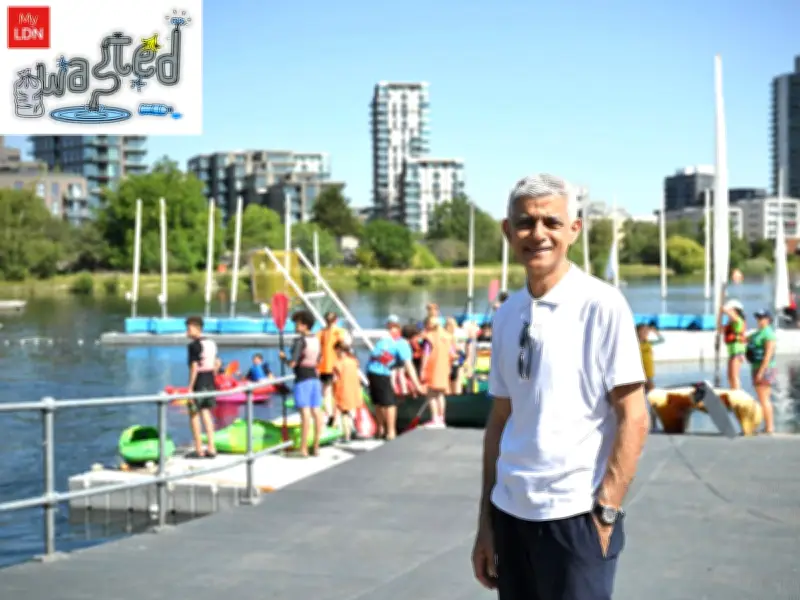
Speaking at the West Reservoir in Hackney, Khan announced that Thames Water has agreed to invest £1.7 billion over the next five years to reduce sewage discharges. The company is a key partner in the plan, alongside City Hall which pledged an additional £2.7 million on top of £13.5 million already committed. Total funding from all partners reaches £1.8 billion.
"This is the most ambitious plan to clean up rivers and waterways across the globe," Khan told the Local Democracy Reporting Service. He noted that London has 600 kilometres of rivers and waterways, but decades of neglect and pollution have damaged habitats and denied communities access to blue spaces.

10 strategic locations targeted
The plan initially focuses on 10 locations across London, including the Grand Union Canal, River Roding, Royal Docks, Yeading Brook in West London, and Upper and Lower Lea Valley. Each site will have a lead partner—either City Hall, a local council, or a community organisation—to ensure accountability.
Khan highlighted the West Reservoir, which received £700,000 in 2022 for upgrades and now offers open water swimming, sailing, and kayaking, as a model for future transformations.
Sewage discharges rose fivefold in 2023
Khan criticised water companies for their inaction, stating that sewage discharges in 2023 were five times higher than in 2022. "That's unacceptable," he said. He also pointed to misconnections in household pipes that allow sewage to flow into rivers. The Thames Tideway Tunnel, a major engineering project, is expected to capture 95% of storm overflows, reducing future sewage spills.
"Thames Water have recognised the consequences of their inaction and their neglect," Khan added. "I'm pleased that they've been around the table working collegiately with us over the last year."
Public behaviour and community ownership
The Mayor urged Londoners to change their attitudes towards waterways, comparing the effort to the city's transformation of green spaces. "We've got to rewire our own brains in terms of thinking about these blue spaces like we did about green spaces," he said. He emphasised that making waterways accessible will foster community ownership and care, with better design including bins, benches, and signage.
Khan praised councils like Hackney for their partnership, saying they "deserve credit." The plan also involves working with local authorities and community groups to maintain cleanliness after depollution.
No London rivers in 'good' condition
None of London's rivers currently meet the EU Water Framework Directive's "good" ecological status. The 10-year strategy aims to reverse this decline, revive wildlife, and restore access for local communities. Khan noted London's success in cleaning up air quality—from a 200-year timeline to nine years—as a precedent for the water clean-up.