Labour MPs and regional mayors have urged the prime minister to consider a "third way" for bringing failing water companies under public control, proposing a mutualised model that would transform them into not-for-profit cooperatives. This approach, they argue, would avoid adding billions to the government's balance sheet, unlike full nationalisation, which Treasury projections suggest could significantly increase public debt.
Mutualisation: A Debt-Free Alternative to Nationalisation
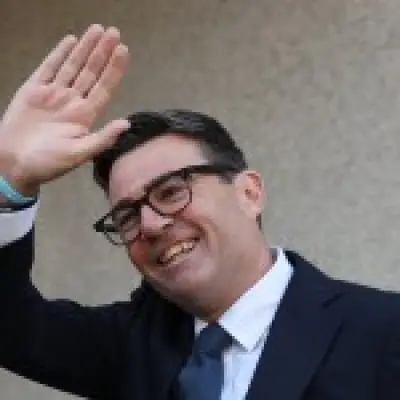
The proposal, backed by figures close to Greater Manchester mayor Andy Burnham, comes as the government grapples with the future of Thames Water, which is on the verge of financial collapse. Burnham, who has previously called for "public control" of water companies, is reportedly concerned about the fiscal implications of nationalisation. The mutualised model, however, would see companies run by local people and stakeholders, with any debts kept off the government's books.
The intervention coincides with the release of a report by the Good Growth Foundation, which outlines how water cooperatives could work. The plan has the support of Labour MP Helena Dollimore, who represents Hastings and Rye, along with the mayors of West Yorkshire, South Yorkshire, and York and North Yorkshire, and the Co-operative Party.

Thames Water as a Test Case
The report recommends testing the model first with Thames Water, which is currently in talks with the government over a rescue deal for its creditors. If no deal is reached, the company would be placed under a special administration regime (SAR), a form of temporary nationalisation. Under the proposed mutualisation, any company that emerges from SAR would be required to become a not-for-profit cooperative, rather than being sold to the highest bidder.
The plan also includes a "bail-in" mechanism, similar to that used by the Bank of England for failing banks, ensuring shareholders and creditors bear the cost of failure, not taxpayers. Additionally, the report calls for tougher regulation across the sector, including enhanced monitoring, restrictions on executive pay, and a ban on dividends unless performance targets are met.
Support from Regional Mayors
Oliver Coppard, the mayor of South Yorkshire, said: "Water is an essential utility that simply should not be farmed out to the private sector – that's a lesson we've learned the hard way. A cooperative model would put control back in the hands of people, help keep bills as low as possible, and allow us to finally intervene in the inexorable dumping of sewage in our rivers."
Tracy Brabin, the mayor of West Yorkshire, added: "The people of West Yorkshire have paid the price for Yorkshire Water's failings for far too long, with repeated pollution failings and hiking bills repeatedly during a cost of living crisis. Greater public control of water companies is the only way to protect our communities and environment for future generations."
Fiscal Responsibility and Public Control
The report's authors emphasise that mutualisation would keep water company debts off the government's balance sheet, avoiding the fiscal burden that nationalisation would entail. Praful Nargund, director of the Good Growth Foundation, said: "Mutualisation offers a different route … It delivers the public control and long-term investment we need without handing taxpayers the bill for decades of failure."
Dollimore stressed the urgency: "Our failing water infrastructure is a huge problem that must be a top priority for our Labour government. From pollution to outages to flooding, the people we represent experience the impact every day of this failure while paying more for the privilege. We have already taken important steps to ramp up regulation but we must now go further to protect this vital national infrastructure, while always being fiscally responsible."
Government Response and Next Steps
Downing Street sources have indicated that immediate nationalisation of Thames Water is not on the cards, but the prime minister is exploring options for greater public control. Creditors of Thames Water have threatened legal action if the deal fails, adding urgency to the negotiations. The mutualisation proposal offers a middle path that could satisfy both fiscal hawks and those demanding public accountability.