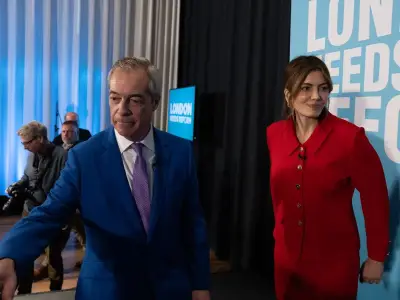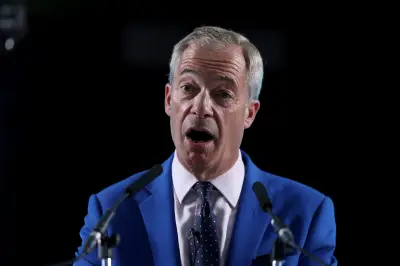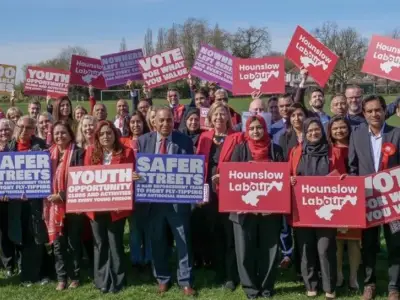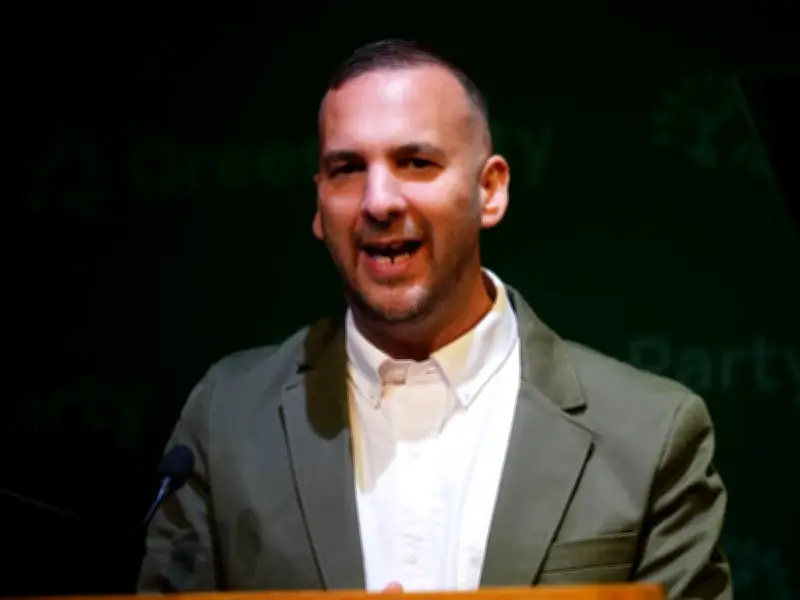
The Green Party's Holborn and St Pancras by-election campaign, led by Zack Polanski, has drawn internal criticism from councillors and activists who say it was too "Whitehall-coded" and focused on the leader rather than grassroots issues. Labour's Sagal Abdi-Wali won the seat with 45 per cent of the vote, 12 points ahead of the Greens' 33 per cent, though the party hailed its 22-point increase from the last general election as a cause for celebration.
Internal frustration over campaign strategy
Camden Green Councillor Hamza Chowdhury, who challenged Polanski for the nomination, told the Local Democracy Reporting Service (LDRS) that, whatever the outcome, his leader would be vindicated. "If he loses, he should wake up in the morning, put some sunglasses on, put the camera on, and tell Sky News: 'We did it'. Because this is a Labour safe seat," he said.
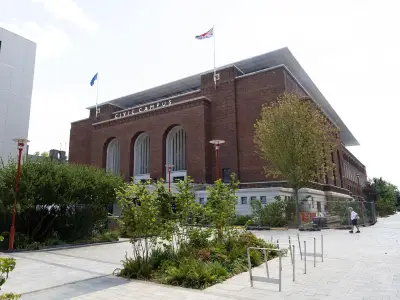
While the count was underway at Camden Council headquarters in the early hours of Friday morning, half a mile away, scores of Green Party activists were drinking pints of San Miguel in a Mornington Crescent pub as they watched the result unfold. Few were surprised, and the result has unleashed the party's frustrations over how the campaign was fought. A different Green councillor said most members had always seen victory as "impossible". "I think people are frustrated, not with Zack, but over whether it was the right idea to run in the first place," he said.
'We could have got 2,000 more votes'
Following Sir Keir Starmer's resignation as MP in September, speculation quickly mounted over whether Polanski would stand. The contest was widely viewed as a signal for whether the Greens still posed a significant challenge to Labour after their surge in support at the local elections in May. However, one member said Polanski's thinking had become too "Whitehall-coded". He added: "I don't really get the argument that the media would have called him a coward. Who cares? Zack could have said he needed to be out there supporting the six Green councils we won in London to deliver their priorities, ahead of the London Mayoral elections."
Throughout the campaign, several Green supporters the LDRS spoke to lamented the party's strategy for being too "top-down" and focused on Polanski instead of harnessing grassroots energy. At an election hustings on Tuesday, activists said their leader's profile as a "change" candidate had been lost, while another councillor and a dyed-in-the-wool Green activist were both critical of the messaging. "There's nothing about local issues. We needed to be holding Labour to account for their record here in Camden," the activist said. The councillor echoed this, arguing that the party should have been more aggressive in their fight with Labour's Sagal Abdi-Wali, particularly on issues like Gaza and housing. A Hackney Green councillor who was out canvassing for Polanski said: "We could have maybe got 2,000 more votes if we'd been more savvy," accusing their Labour opponent of having "no policies".
Zionism motion and its fallout
The post-mortem over Holborn and St Pancras began soon after the result, with senior party figures dissecting the wisdom of the Greens passing the controversial 'Zionism is racism' motion at party conference last weekend. One Green member said "liberal Zionist" Jewish voters in Camden were unlikely to back the Greens before the motion. However, the LDRS has heard from Green, Labour and Liberal Democrat sources that many Tory and Lib Dem residents voted tactically for Labour to keep Polanski out. The activist said the result signalled that Polanski had to draw a line under the "niche and toxic" issue. They said: "On the doorstep, 'Zionism is racism' is not on their radar at all. The issue is: Is this party good vibes?"
But there are other factors keeping the foreign policy debate alive across London. Mayor of Hackney Zoë Garbett, who won the borough for the Greens in a historic first in May, did not vote on the controversial motion because she was campaigning for Polanski to win in Holborn and St Pancras. A spokesperson from her office said, however: "If Zionism is defined as a political ideology supporting the creation and continuation of a specific ethnonationalist state in historic Palestine, born from colonial actions and enabled through ethnic cleansing, then it is racist." The Hackney Green source, however, said Garbett was privately "really frustrated" the debate was sapping time and energy away from local matters. "She genuinely just wants to focus on running the council well," they said.
Hackney de-twinning consultation
Garbett, who was elected as councillor for Dalston in 2022, is "not ideological", the local member added. "Regardless of what she believes about Zionism, I don't think she would support the motion because it devotes energy to something definitional. She is much more 'build bridges, not walls'." In Hackney, the issue of Israel-Palestine will soon rear its head again due to the Greens' manifesto commitment to de-twin the borough from Haifa in Israel. A majority of Hackney councillors in July voted to trigger a consultation over whether the borough should "formally terminate" municipal ties with the Israeli port city. Mayor Garbett said maintaining the link was "fundamentally at odds" with Hackney's anti-racist values after a UN Commission of Inquiry report said Israel had committed genocide in Gaza.
The consultation over de-twinning ends on October 14. The initial deadline of October 7 was pushed back amid accusations of "shocking insensitivity" from Jewish groups due to it being the anniversary of the Hamas terrorist attack in Israel. Garbett later apologised to the Mayor of Haifa for the "serious error". The Palestine Solidarity Campaign on Friday (October 9) published an open letter to Hackney's Mayor, urging her to follow through on the de-twinning. The PSC cited discussions with Palestinian colleagues in Haifa who they said were hesitant to even respond to the review due to fear of "legal and social repercussions" from within the Israeli state. However, the Hackney Green insider feels the party has "opened a can of worms" by floating the policy too soon, adding that the timing lay with council officers "technocratically" scheduling it within the administration's 100 days because it was financially cost-free. "We're paying a price. The question is: was it worth it?" he said.