Hammersmith and Fulham Council could increase council tax by up to 150 per cent in 2027/28, a move that would add £29.11 a week to a Band D property, as the borough faces a £160m budget gap caused by Government funding cuts. The Labour-led council, which has historically maintained some of the lowest council tax rates in London, is due to see its grant funding halve from £150.5m in 2025/26 to £72.4m in 2029/30.
The potential increase is one of three scenarios outlined in a Cabinet paper to be discussed by lead councillors next week. The paper, first reported by the Guardian, describes the situation as "the biggest financial challenge in living memory" for the borough. It attributes the crisis to the Government's Fair Funding reforms, announced under Sir Keir Starmer's premiership, which redistribute money among councils based on spending needs and revenue-raising ability.
Three scenarios for council tax rise
The Cabinet paper details three possible increases to the council's element of council tax (excluding the Greater London Authority precept) for 2027/28:
- 100 per cent increase: Band D property rises to £2,018 a year, a weekly hike of £19.40, leaving a budget shortfall of £46.1m.
- 125 per cent increase: Band D property rises to £2,270.25 a year, a weekly hike of £24.25, leaving a budget shortfall of £20.6m.
- 150 per cent increase: Band D property rises to £2,522.50 a year, a weekly hike of £29.11, which "broadly balances the budget on current assumptions".
A Band D household in Hammersmith and Fulham currently pays £1,519.51 annually, including the £510.51 GLA precept. The council is one of six authorities granted permission to exceed the five per cent council tax cap for the next two years to help balance their books.
Impact of Fair Funding reforms
The reforms, while benefiting some London boroughs such as Enfield and Croydon, are set to significantly reduce grant funding for several Inner London councils. Hammersmith and Fulham's funding will be cut by more than half over four years, from £150.5m in 2025/26 to £72.4m in 2029/30. The Cabinet paper states that "combined with changing demographics, rises in priority services costs, and inflation fuelled by national and global issues, this leaves us with an estimated £160m budget gap to fill."
The paper adds: "The effect of the new formula is to make a number of councils - like H&F – where council tax rates have been historically low, raise their council tax to the national average."
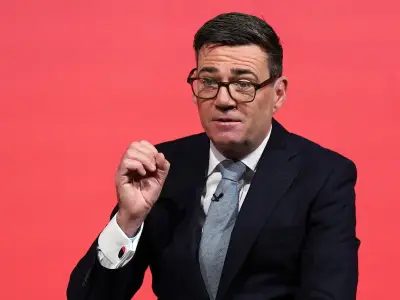
Other councils facing similar pressures include Westminster and Wandsworth, with the latter warning it may need to increase bills by 94 per cent from April. Wandsworth, Kensington and Chelsea, and Westminster have written to Prime Minister Andy Burnham requesting a review of the scheme.
Council's financial record and political reaction
Hammersmith and Fulham Council has saved more than £150m since 2014, when Labour took power, through its 'Ruthless Financial Efficiency' programme. A peer review by the Local Government Association (LGA) published in July 2025 praised the authority as "very ambitious and financially well-run". The council also notes that Government deprivation figures rank the borough as the 120th most deprived of England's 296 local authorities.
The Conservative opposition has criticised the Labour administration. Cllr Jose Afonso, Conservative leader, said: "In August 2025, Labour Cabinet member Rowan Ree described my claims about council tax rises due to Labour Government funding reforms as 'utter tosh'. Nothing's changed since then. Despite having all three MPs and a majority on the council, they have failed to get even the most minor concession from their Labour Government for our residents. They are now floating the idea of 150 per cent council tax rises in the Guardian. They clearly knew they'd have to do that last year. So why did they cover it up?"
The Labour group declined to comment. A Ministry of Housing, Communities and Local Government (MHCLG) spokesperson previously said: "Local authorities decide the level of council tax they wish to set, but we are clear that in doing so they should put taxpayers first. We've made over £78 billion available for council finances next year, with the majority of money un-ringfenced so local leaders can decide how best to spend on their local priorities. And we're fixing an outdated funding system so funding goes where need is greatest, while protecting councils through the transition and ensuring no area faces a cliff edge."
The Cabinet paper is scheduled for discussion on October 12.