From Political High to Chaotic Low: Reform UK's Cornwall Crisis
What began as a triumphant political breakthrough for Reform UK in Cornwall has rapidly descended into chaos, with the party losing its position as the largest group on Cornwall Council following a series of dramatic resignations and internal conflicts.
The dramatic turnaround represents a stunning reversal of fortunes for a party that only months ago appeared to be establishing a dominant political presence in the county.
February Promise Meets October Reality
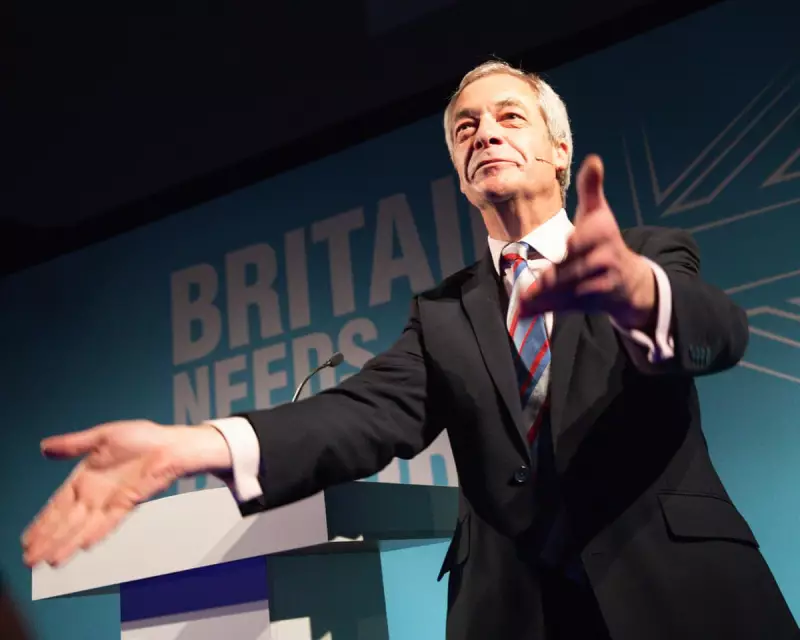
Back in February, Nigel Farage stood before hundreds of jubilant supporters at Carn Brea leisure centre in Redruth and made a bold prediction. "I know whenever I come back here next," he declared, "Reform UK will become a dominant force, not just in Cornwall politics, but in British politics."
Initially, his prophecy appeared to be coming true. When local elections arrived three months later, Reform achieved a significant victory, securing 28 seats on Cornwall Council - the highest number of any single party.
Yet even in his moment of triumph, Farage sounded a note of caution, warning supporters they needed to "convert theory into reality." Six months later, that reality has proven harsh for the party.
The Unravelling Begins
The collapse began in early October when Rowland O'Connor, a seasoned Reform figure who won 16.5% of the vote in North Cornwall in last year's general election, became the first to resign - stepping down not only as deputy leader but from the party entirely.
O'Connor, who represents the St Columb Major, St Mawgan and St Wenn division, expressed frustration with what he described as interference from national party figures. "The position I found myself in as deputy leader and also as a Reform UK councillor, was that the national agenda was being emphasised," he explained.
He highlighted the conflict between local priorities like buses, transport, roads, and potholes, versus national Reform UK focuses on immigration and net zero - issues he argued had "negligible" direct impact in Cornwall.
Leadership Exodus and Internal Conflict
Just two days after O'Connor's departure, Reform's leader in Cornwall, Rob Parsonage, also resigned both his leadership role and party membership. The Torpoint representative revealed he had received "instructions" over WhatsApp from "head office" ordering councillors to "put motions in to scrap all net zero target-related matters."
Parsonage emphasised the fundamental conflict this created for councillors serving on planning committees, who are required by law to be apolitical in their decision-making. "The trouble with that is you have to go in there with an open mind and with a view to assessing a planning application based on its merits, the regulations and the law," he stated.
The leadership exodus didn't stop there. Christine Parsonage, Rob's wife and councillor for St Columb Minor and Colan, stood down at the end of October on health grounds. Her tenure had been controversial from the start, as it emerged she lived more than 40 miles away from her division in Torpoint.
She later admitted standing as a "paper candidate" - someone who doesn't realistically expect to be elected - and faced heavy criticism from Newquay town council members for failing to attend meetings as the area's Cornwall Council representative.
Internal Warfare and Suspensions
Even before the senior resignations, internal conflicts were tearing the party apart. Curtis Mellows, then chair of the Reform Cornwall south-east branch, publicly described Parsonage as an "odious little man" with "no leadership qualities whatsoever."
In a further twist, Mellows himself has since been suspended from the party after making allegedly offensive comments about Prince Harry in a social media post. He claims his suspension came after he made formal bullying complaints about party members in the county that went unaddressed.
The infighting continues even after the appointment of new leadership. This week saw the chair of the Camborne, Redruth and Hayle branch removed against members' wishes - despite the fact the removed chair, Roger Tarrant, remains the newly appointed deputy of the party in Cornwall.
Political Fallout and Reactions
The five departures have reduced Reform's presence on Cornwall Council from 28 to 23 seats, putting them behind the Liberal Democrats' 26 seats. The former Reform councillors - O'Connor, Parsonage, Anna Thomason-Kenyon and Karen Knight - have formed the Cornish Independent Non-aligned Group.
Leigh Frost, the Liberal Democrat leader of Cornwall Council, expressed little surprise at the developments. "It's quite astounding. In reality, everyone knew that this would eventually come," he said. "We had a lot of Reform paper candidates in the local elections in May. A lot of those people got elected on the wave, and are now realising what it's like to be a councillor."
Critics argue the chaos in Cornwall, combined with similar problems in the Reform-led council of Kent, demonstrates the party's inability to deliver beyond functioning as a protest vote.
Party Response and Denials
A Reform UK spokesperson strongly denied the allegations, stating: "These claims are untrue. Reform UK councillors have complete autonomy to take a stand on local issues and are encouraged to come up with solutions to improve their communities."
The newly appointed Reform leader in Cornwall, Paul Ashton, also rejected suggestions that local councillors were pressured to focus on national policies. "There is nobody from HQ breathing down our necks saying you've got to do this or you've got to do that," he insisted.
Despite these assurances, the damage appears done. What began as Farage's promised political revolution in Cornwall has instead become a case study in how quickly political fortunes can change when party unity collapses and local priorities clash with national agendas.