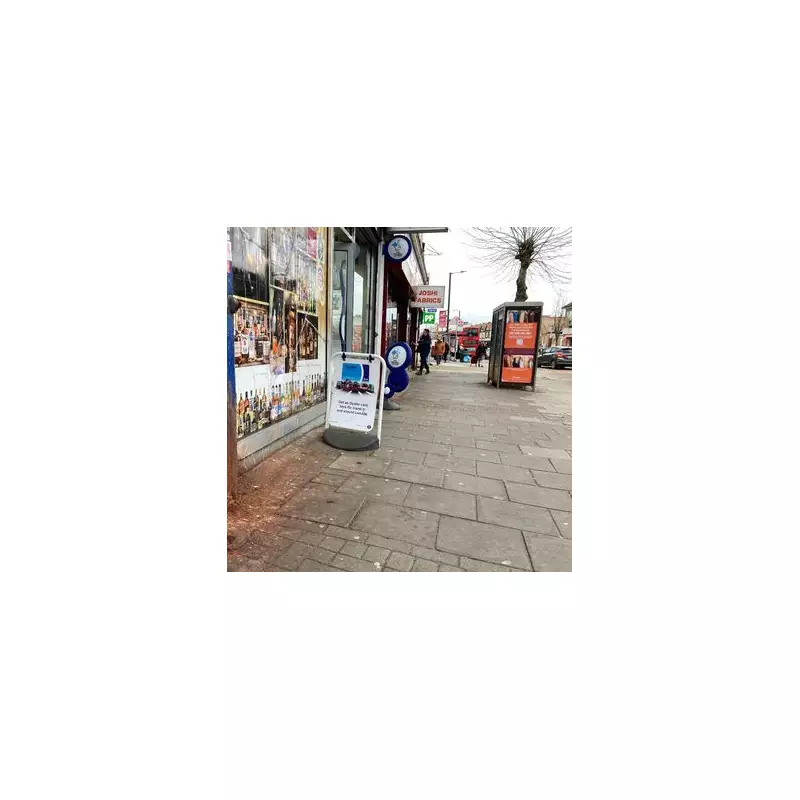
North London's Costly and Unsightly Paan Problem
A North London council is spending a staggering more than £30,000 every year tackling a persistent and unsightly issue: the dark-red stains of spat-out paan. The chewing tobacco mixture is blighting pavements, shop fronts, and flower beds in parts of Brent, particularly around Wembley.
Paan, a stimulant blend of betel nut, leaf, herbs, and tobacco popular within some South East Asian communities, leaves a blood-red residue when spat onto the street. This substance has been found smeared across telephone boxes, buildings, and even outside takeaway shops, creating a significant cleaning challenge for the local authority.
Zero-Tolerance Crackdown and Enforcement
In response, Brent Council has pledged a "zero-tolerance approach" to the problem, which it states causes both serious environmental damage and a substantial financial drain. As part of this crackdown, the council has erected banners in three identified borough hotspots where paan spitting is rampant.
Enforcement officers will also be patrolling these areas, and anyone caught in the act faces an on-the-spot fine of up to £100. Councillor Krupa Sheth, Cabinet Member for Public Realm and Enforcement, issued a stark warning: "Don’t mess with Brent, because we will catch you and fine you."
Political Criticism and Serious Health Warnings
The council's announcement has not been met with universal approval. The Brent Liberal Democrats have criticised the move as "far too little, far too late". Party leader Cllr Paul Lorber accused the Labour council of only acting now, just before an election, after years of inaction while residents in Wembley, Alperton, and Sudbury dealt with the "disgusting" mess.
Beyond the aesthetic and financial cost, health professionals are raising the alarm. According to the NHS and local health leads, chewing tobacco and betel nut significantly increases the risk of mouth and oesophageal cancer. Dr. Shazia Siddiqi, Brent’s Clinical Lead for Primary & Community Care, confirmed that regular use is linked to oral health issues, recurrent mouth ulcers, bleeding gums, and a weakened immune system.
Alongside enforcement, the council is running dedicated workshops and one-to-one support through its 'Stop Smoking Service' to help residents quit, offering specialist six-week programmes for those who use chewing tobacco and other substances.