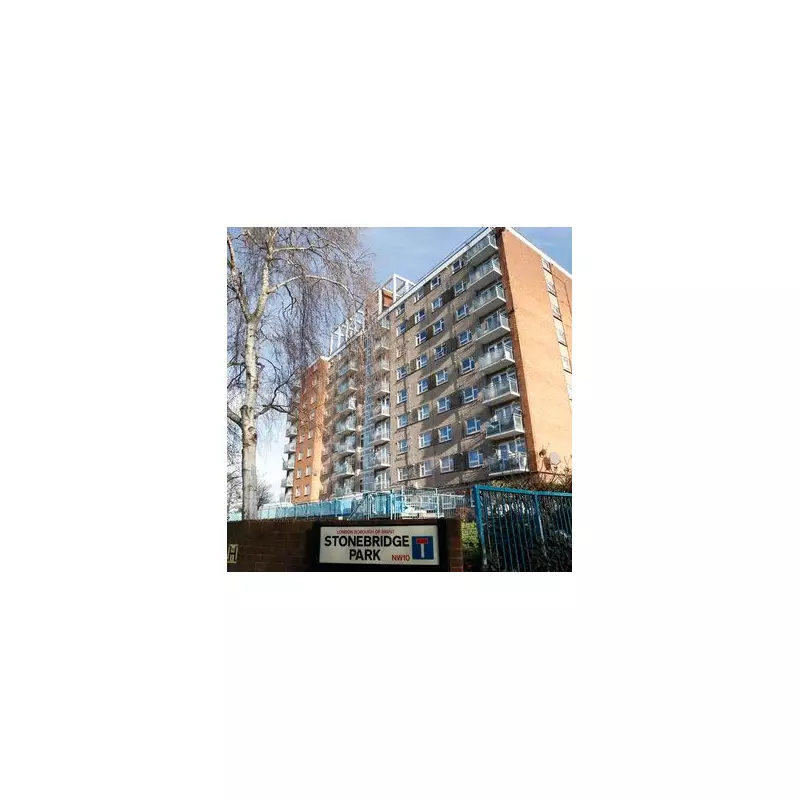
A contentious proposal to open a new off-licence in a North London neighbourhood with a troubled past has been approved by local authorities, but with a stringent set of restrictions attached.
Community Fears Over a Return to Troubled Times
The application for Lilburne Walk Local on the St Raphael’s Estate in Stonebridge sparked significant local opposition. More than 60 residents and community groups formally objected, fearing the sale of alcohol would lead to a resurgence of the street drinking and antisocial behaviour that once plagued the area.
Stonebridge was infamously labelled London's 'gun capital' in previous decades, a period marked by gang activity, drug dealing, and violent crime. While significant progress has been made in reducing violent incidents over the last ten years, objectors argued that easy access to alcohol remains a key driver of problems like vandalism, violence, and public disorder.
Stonebridge ward Councillor Abdifatah Aden supported residents, warning that the shop could "exacerbate existing public order challenges" and "intensify youth-related disturbances".
Licence Granted With Unprecedented Conditions
Despite the objections, Brent Council's Alcohol and Entertainment Licensing Sub-committee approved the application from owner Varandeep Singh Khurana at a meeting on December 1, 2025. However, the approval came with a series of bespoke conditions designed to mitigate community concerns.
The committee imposed several key restrictions:
- The licence to sell alcohol was granted only until 8pm, three hours earlier than the 11pm closing time originally requested.
- The beer fridge must be positioned alongside other alcoholic drinks, not at the front of the shop as proposed.
- In a highly unusual move, all alcohol sold must carry shop identification, and Mr Khurana will be held responsible for any bottles or cans bought from his shop that are later found littered on the estate.
- The shop must also clear rubbish within five metres of its frontage, whether on public or private land.
These conditions are in addition to standard bans on selling miniatures and beers with an alcohol content above 6%.
A Pledge to Invest and Collaborate
Prior to the decision, Mr Khurana's agent told the Local Democracy Reporting Service (LDRS) that the owner was "shocked at the negativity" and is committed to investing in a full refurbishment of the premises to "bring freshness to the local area". He expressed a desire to work with the community to prevent problems.
The imposed conditions provide a mechanism for ongoing oversight. If the shop fails to adhere to them, residents retain the right to apply to Brent Council for a formal review of the licence, which could lead to its revocation.
The decision highlights the delicate balance local authorities must strike between supporting business and safeguarding community safety, particularly in areas working hard to overcome a difficult historical legacy.