New Forest Residents Rally Against Government's Administrative Division
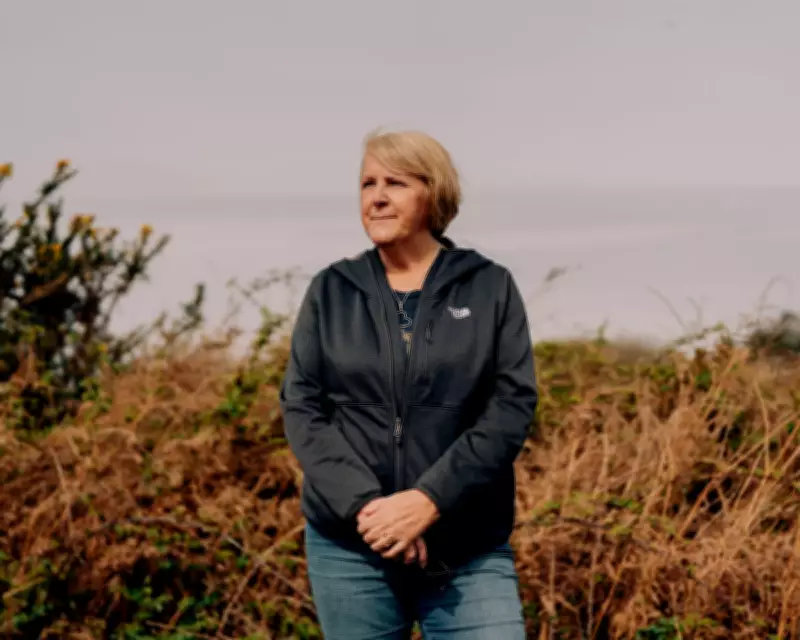
Della Keable, a resident whose family has lived in the New Forest for centuries, became emotional as she described the profound connection local people have with this ancient landscape. "The forest is part of our souls," she said, capturing the sentiment driving widespread opposition to government plans that would split the forest's administration between two new local authorities.
Government Reorganization Sparks Outrage
The UK government announced in late March that as part of local government reorganization set to take effect in 2028, the eastern portion of the New Forest would become part of a new South West Hampshire authority that includes Southampton city. The remaining forest area would fall under a separate Mid Hampshire authority. Housing Secretary Steve Reed described this as a "once-in-a-generation chance" to modernize local government structures.
However, many residents in the affected eastern areas feel they are being "annexed" by urban-focused politicians who may not understand or value their rural way of life. "I'm steaming," said lifelong resident Teresa Barnes, whose family includes verderers who regulate commoners' grazing rights. "This is a very precious, traditional kind of place. We don't want to be lumped in with an urban area."

Rapid Mobilization Against the Changes
Within weeks of the announcement, the campaign group New Forest Together formed and distributed over 20,000 leaflets while gathering more than 10,000 petition signatures opposing the administrative split. The group argues the reorganization would place significant forest areas under "city-centered" authority and is urging the current New Forest District Council to seek legal advice and prepare for potential judicial review proceedings.
Campaign coordinator James Hartley-Binns described the move as a "takeover" by Labour-run Southampton City Council. "This is a land grab," he declared during a gathering on Blackwell Common. "We have been a community for more than 1,000 years. The forest is part of our DNA but it's going to be fragmented. This is our home, our heritage and it is at risk."
Financial Motivations Suspected
The eastern forest section bordering Southampton Water includes not only picturesque countryside and coastline but also the Fawley petrochemical complex—the UK's largest—and Marchwood military port, which is undergoing redevelopment to alleviate pressure on Southampton. This has led some residents to suspect financial motivations behind the reorganization, which Southampton City Council supported.
Former refinery union branch secretary Tony Croucher speculated: "I reckon this is about Southampton seeing there is money to be made here. They're after the refinery and port money." While acknowledging he has no personal issues with Southampton, Croucher emphasized the distinct character of forest communities.
Business and Ecological Concerns
Small business owners Dean and Jennifer White, who run a computer shop in Blackfield village, expressed concern that the new authority might increase their business rates. "They may not be as sympathetic to small forest businesses," Dean White noted.
Andrew Parry-Norton, chair of the New Forest Commoners Defence Association, highlighted ecological worries, particularly about potential development of "backup grazing" land along Southampton Water. "That land is used to put animals on during the winter months when grazing gets short in the forest," he explained. "It's a vital part of the ecology of the forest."
Official Responses and Continuing Opposition
Southampton City Council defended the reorganization, stating it would bring together communities with existing strong social, economic, and transport links while respecting local heritage. A council spokesperson said: "We are committed to working closely with local people, existing councils and the national park authority to ensure the new council is set up to succeed."
The Ministry of Housing, Communities and Local Government emphasized that the changes would not mean part of the New Forest being absorbed into Southampton, but rather would improve public services through more unified administration.

These assurances have done little to calm residents' fears. Yoga teacher Georgie Rand and her 10-year-old son Will expressed concern that the reorganization ignores deep emotional connections to specific geographical locations. Will, who knows the forest was created by William the Conqueror as a hunting ground 1,000 years ago, worried about potential development: "I'm worried they'll want to build more houses and roads here. It's disrespectful."
As the 2028 implementation date approaches, New Forest residents continue organizing to protect what they see as an irreplaceable part of their identity and heritage against administrative changes they believe threaten the forest's unity and character.