The trendy East London neighbourhood of Walthamstow is losing its cockney roots as young families drive gentrification, reshaping the area's identity. Once known for its working-class charm, the neighbourhood now boasts soaring house prices and a new middle-class crowd.
Pie and Mash Shop Holds On
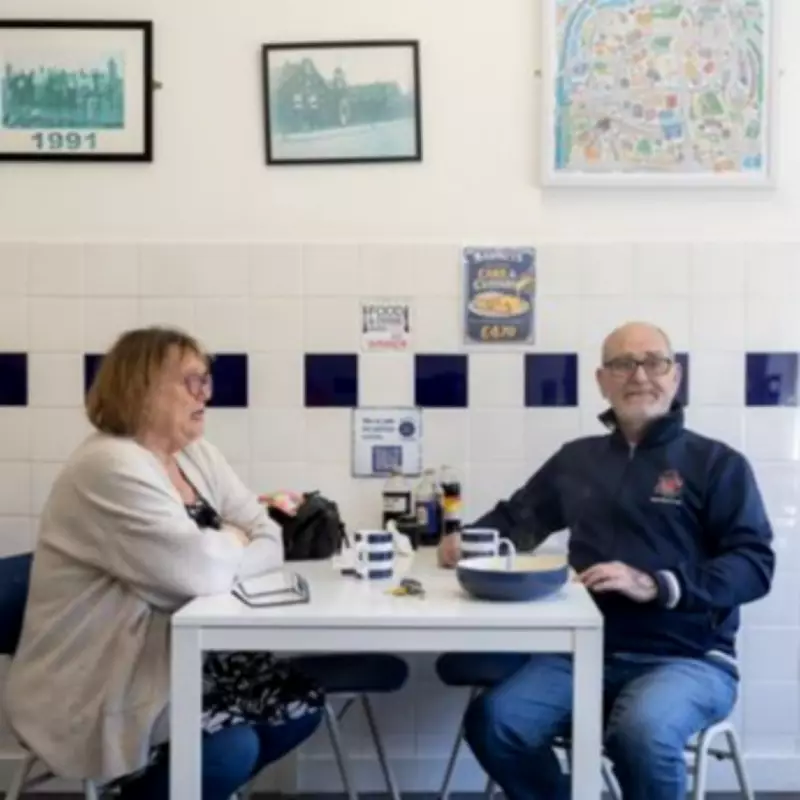
Brenda Griffiths, 73, and her partner Steve Windsor, 68, enjoy their "cockney elevenses" at Barney's, Walthamstow's last remaining pie and mash shop. Owner Tommy Barnard opened the shop in 2018, fulfilling a dream after working as a plumber. He believes pie and mash shops must move from high streets to residential areas to survive, as traditional shopping habits decline.
"When I was little, I used to go down to Walthamstow Market with my mum for shopping. We'd then pop into Woolworths and afterwards get pie and mash. Nowadays you have big places like Westfield for shopping or people order online. That tradition is gone," says Tommy.
Gentrification Wave
The 2012 London Olympics sparked a wave of gentrification, doubling house prices in Waltham Forest between 2013 and 2023. This new middle class crowd is far removed from old 'cockney' Walthamstow, opting for upmarket businesses. However, Tommy sees it as an opportunity to introduce pie and mash to a new demographic.
"It's become very trendy to live in Walthamstow. You can see the massive amount of money coming into the bottom of St James Street and Copper Mill Lane. Now people come here off the back of seeing online reviews. It feels crazy that I've given a load of people their first pie and mash, and these aren't 16-year-olds, they're between 25 and 35 who've never had it because they weren't brought up on it. That's been a really positive thing," he adds.
The Village Transformed
Walthamstow Village has become one of the most sought-after places to live in East London, with terraced homes often fetching over £1 million. Orford Road is now home to trendy businesses like Eat17 and The W Store. However, traders worry about chains moving in. In 2024, a petition against Gail's bakery opening near Orford Road gathered 1,800 signatures, fearing it would threaten independent shops.
David Ryner, owner of art shop Here on Earth, says, "We don't want this to end up like any other upmarket high street. I used to go to Spitalfields Market... Now it's a corporate offer of what a market is, so it loses that authenticity and ultimately makes it like anywhere else." He urges the council to protect independents.
Craft Beer Capital
Walthamstow has become London's craft beer capital, with industrial sites along Blackhorse Road transformed into independent breweries. Signature Brew, London's largest independent brewery, moved there in 2019. Co-founder Tom Bott notes a trend towards younger drinkers seeking meaningful experiences post-Covid.
"Over the last few years our average audience has trended towards being younger, and that's something we're trying to harness. Young drinkers still want to go out, and it's an absolute myth that young people don't drink, but they want to do so on their terms," says Tom.
Balancing Change
Opinions on gentrification vary. One Reddit user described Walthamstow as having a 'half and half' balance, allowing longtime residents to enjoy new businesses while preserving old traditions. As the neighbourhood evolves, the challenge remains to maintain its unique character amid rapid change.