
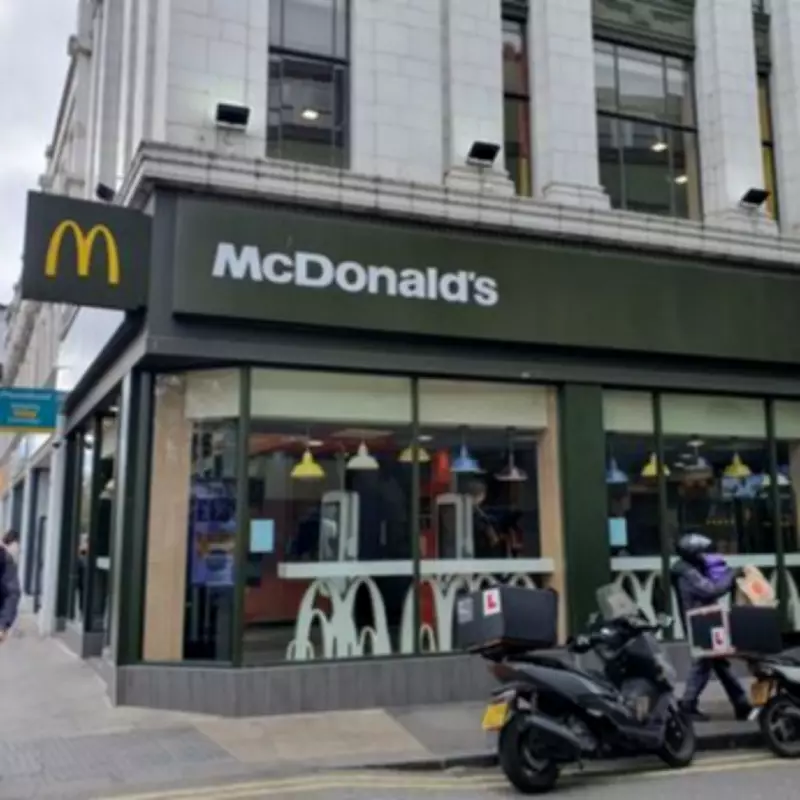
West London Neighbourhood Fears 'Harm' as McDonald's Fights for Extended Hours
A West London community has declared it "cannot take the harm" if a local McDonald's restaurant is permitted to extend its operating hours into the early morning, as a crucial court appeal unfolds this week. The legal battle centres on Hammersmith and Fulham Council's decision to refuse the fast-food giant's application to vary the licence for its North End Road premises in Fulham.
Council and Residents Stand Firm Against Late-Night Operation
The appeal, being heard at the City of London Magistrates' Court over several days, represents a significant clash between commercial interests and community welfare. Council Leader Stephen Cowan emphasised in a witness statement that "extending the hours of this establishment would change the nature of the area causing further harm." This position reflects widespread local concern, with more than 160 objections filed against the original proposal.
Licensing History and Modified Application
McDonald's franchisee Smash Operations initially sought permission to operate the Fulham restaurant 24/7, but following discussions with the Metropolitan Police, amended the application to close at 1am from Sunday to Thursday and 3am on Fridays and Saturdays. Despite this modification, the council's Licensing Sub-Committee rejected the application in May last year after a marathon 5.5-hour meeting.
Resident Matt Lowen articulated a common fear, telling the sub-committee that extended hours would "widen the window of antisocial behaviour to occur" and increase pressure on already stretched police resources. The location has been previously identified as "Fulham's crime hot spot," adding weight to these apprehensions.
Legal Arguments and Courtroom Exchanges
In court, barrister Leo Charalambides, representing Smash Operations, accused the council of bowing to "the perceptions, suppositions and fears of a vocal minority." He questioned whether the authority had adopted a balanced approach, suggesting the evidence behind the refusal was "plainly unsound, unreliable and wrong."
Charalambides highlighted the lack of police objection to the application and argued that later hours would promote licensing objectives while bringing benefits. During cross-examination, he challenged Licensing Team Manager Adrian Overton, asking why the council was not willing to engage with an operator proposing to invest more resources and follow best practice.
Council's Defence and Community Support
Mr Overton refuted the claims, stating that while he does not always agree with residents, in this instance he did. He maintained that the push for hours beyond council policy remained problematic, even with agreed conditions. The council's legal representative, Jeremy Phillips KC, noted the significant scale of opposition to the application in his skeleton argument.
Cllr Cowan expanded on the potential impact, writing that extended hours would allow "current disturbing problems being allowed to continue late on into the early morning when residents, quite rightly, might expect to rest or sleep." He expressed support for businesses maximising employment but stressed that "businesses must also act as good citizens and good neighbours."
Political Backing and Next Steps
Chelsea and Fulham Labour MP Ben Coleman attended the hearing online to confirm his witness statement, telling reporters: "I share residents' concerns that a late-night licence would fuel anti-social behaviour. McDonald's must respect the community's wishes." He expressed hope that the council's original decision would be upheld.
Closing speeches from both legal representatives are scheduled for Thursday morning, with a decision expected from the court on February 13. The outcome will determine whether this West London neighbourhood must accommodate later fast-food operations or whether community concerns about harm and disruption will prevail.




