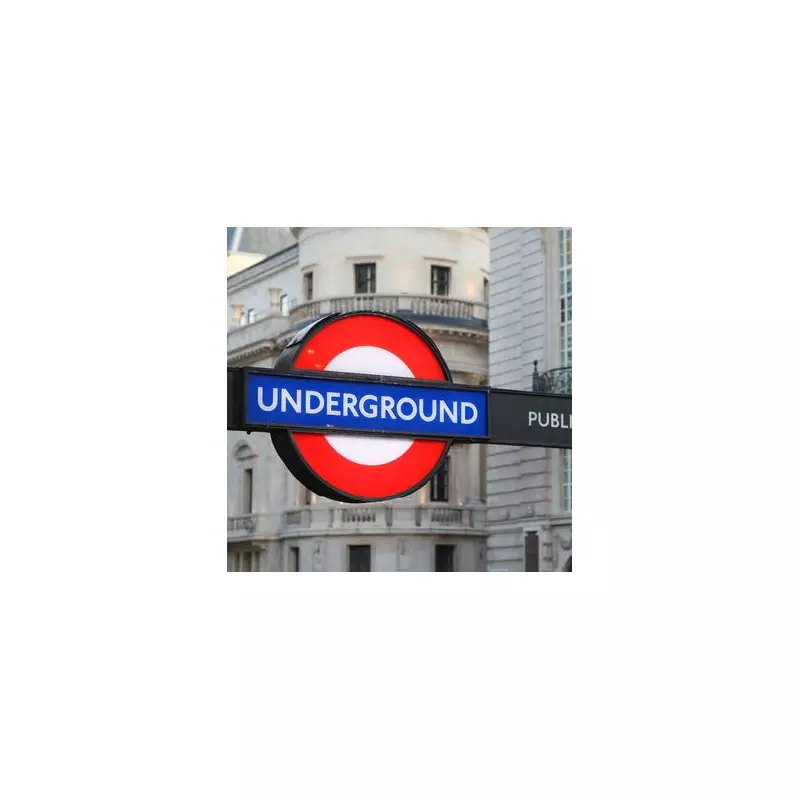
A growing coalition of London local authorities is demanding action from Mayor Sadiq Khan to prohibit gambling advertisements across the London Underground network. The movement, spearheaded by the Coalition to End Gambling Ads (CEGA), has gained significant momentum with five new boroughs joining the campaign.
Councils Unite Against Harmful Advertising
The boroughs of Barnet, Brent, Enfield, Hackney, and Lewisham have now officially aligned themselves with the initiative. They follow the lead of Haringey Council, which became the first London borough to join the coalition earlier this year. This united front represents a substantial portion of the capital's population applying pressure on Transport for London (TfL) to change its advertising policy.
While these councils already restrict gambling promotions in spaces they control, they highlight the challenge of regulating privately owned advertising spaces, particularly on billboards, broadcast media, and crucially, on the city's vast public transport system. The Tube, used by millions daily, is seen as a key battleground.
The Staggering Scale of Gambling Harm
The councils' push is backed by stark statistics on the societal cost of gambling. Official government data reveals that approximately 1.4 million UK adults (2.7%) are problem gamblers. More alarmingly, estimates from the Department of Health and Social Care link between 117 and 496 suicides annually in England to gambling-related harm.
This public health crisis exists alongside a hugely profitable industry. The gambling sector spends an estimated £2 billion every year on advertising in the UK, normalising its products in the public sphere. In 2024, the World Health Organization endorsed worldwide public health strategies to mitigate gambling risks, adding international weight to the campaigners' arguments.
Overwhelming Public Support for a Ban
CEGA's cause appears to have strong backing from the British public. Recent polling of over 2,000 adults commissioned by the coalition found that:
- 70% of respondents want gambling advertising either banned entirely or heavily restricted.
- 68% believe children should be completely shielded from seeing gambling ads.
Will Prochaska, Director of CEGA, commended the councils for their stance. "Councils are standing up for their communities and sending a clear message: it's time to stop allowing companies to profit from promoting harmful products," he said. "We urge others to follow their lead."
Councillor Chris Kennedy, Hackney Council's Cabinet Member for Health and Adult Social Care, explained their decision: “Hackney Council takes a ‘health in all policies’ approach... Gambling related harm is well documented but not well recognised as it is often a highly stigmatised form of damage in the lives of some of our most deprived citizens. This is why our advertising policy clearly states that we will not support material that promotes gambling... We are therefore delighted to join this partnership."
TfL's Response and the Path Forward
When approached for comment, a spokesperson for Transport for London pointed to existing regulations. "All adverts that run on Transport for London’s (TfL) estate must follow the Committee of Advertising Practice (CAP) code, which has specific rules on gambling campaigns," they stated.
The spokesperson also referenced an independent review commissioned by the Greater London Authority's public health unit, which examined research on harmful gambling. That review reportedly identified "evidence gaps" concerning definitions of harmful gambling advertising and the concrete impact of restricting out-of-home ads.
The coalition's expansion signals a deepening political and public health challenge for London's authorities. The campaigners now wait to see if their collective voice will prompt a policy shift from the Mayor's office and TfL, potentially setting a precedent for other cities across the UK.