Local Elections Postponed for Millions in Major Council Restructuring
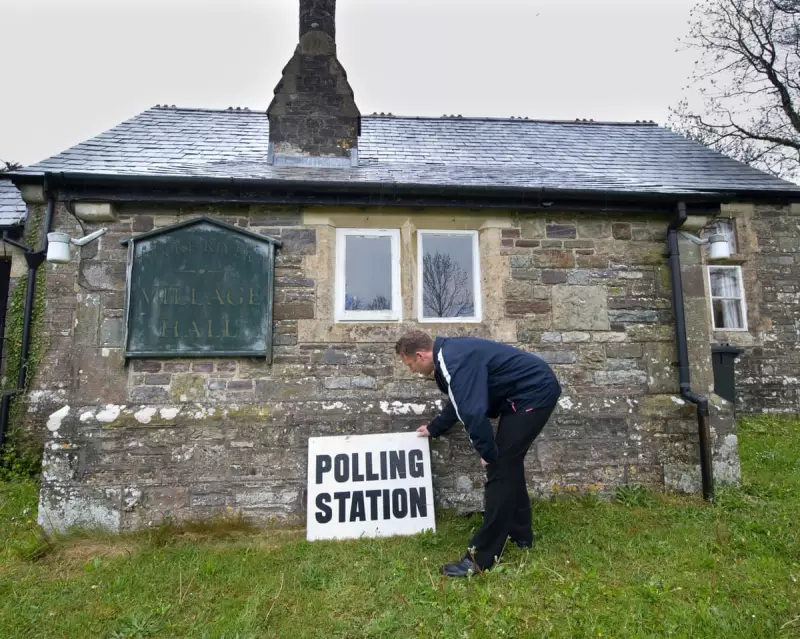
The government has confirmed that local elections will be delayed for more than 4 million voters across 29 council areas in England as part of a significant shake-up of local government structures. Steve Reed, the Local Government Secretary, announced on Thursday that while the vast majority of polls will proceed as scheduled in May, specific areas will see their elections postponed.
Affected Councils and Extended Delays
Among the authorities where votes will not take place on 7 May are city councils in Lincoln, Exeter, Norwich, Peterborough, and Preston. Several districts, including Cannock Chase, Harlow, Welwyn Hatfield, and West Lancashire, are also affected, alongside county councils in East Sussex, West Sussex, Norfolk, and Suffolk.
This decision builds upon a previous postponement of elections in nine council areas scheduled for 2025, which included East Sussex, West Sussex, Essex, Thurrock, Hampshire, the Isle of Wight, Norfolk, Suffolk, and Surrey. Consequently, some voters will experience a two-year delay in participating in local polls, marking a significant interruption to democratic processes.
Political Condemnation and Legal Challenges
The announcement has drawn sharp criticism from political figures across the spectrum. Nigel Farage, leader of Reform UK, condemned the move, accusing Keir Starmer of "colluding with Labour and Tory councils to cancel 30 council elections on 7 May." Farage asserted that "millions of people's right to vote has been taken away," and confirmed that Reform UK is challenging the decision through a judicial review in the High Court.
Reform UK's stance follows their notable success in last May's local elections, where they secured over 600 seats and gained control of 10 councils, including Kent and County Durham. The party also achieved a significant victory in a parliamentary by-election, overturning a substantial Labour majority.
Concerns Over Democratic Principles
Florence Eshalomi, Labour chair of the committee on housing, communities and local government, raised concerns about the implications for democracy. She warned that "democracy is not an inefficiency that should be cut out" during the reorganisation process. Eshalomi, MP for Vauxhall and Camberwell Green, emphasised that councils should not be forced to choose between maintaining frontline services and holding elections.
Despite the delays, elections will proceed after a one-year postponement in some areas, including polls for Essex County Council, Hampshire County Council, and the Isle of Wight Council.
Government Justification and Future Plans
Steve Reed defended the decision, stating that he had received representations and would report back to Parliament after further consideration. He clarified that "in all other areas, council elections will go ahead as planned," noting that many councils provided no evidence that elections would hinder reorganisation efforts.
Reed addressed criticisms directly, asserting: "To those who say we've cancelled all the elections, we haven't. To those who say it's all Labour councils, it isn't. I've asked, I've listened, and I've acted. No messing about, no playing politics, just getting on with the job of making local government work better for local people."
The Ministry of Housing, Communities and Local Government is implementing plans to abolish the two-tier system of local government prevalent in much of England, where district and county councils share responsibilities within the same areas. This system will be replaced with single-tier "unitary" authorities, aimed at streamlining governance and improving efficiency.
Reed confirmed that once the new unitary councils are established, elections will be held for them in 2027, marking a pivotal shift in local governance structures.
Opposition Criticism and Political Tensions
James Cleverly, the Conservative shadow housing, communities and local government secretary, accused Reed of attempting to score a "political gotcha." Cleverly argued that Reed's true intention is to cancel the elections while shifting blame, stating: "It is clear what he wants – he wants to cancel all these elections. So, why does he not simply say so? It's because he wants to shift the blame. He wants to say, 'I didn't make them do it.' He wants a political gotcha."
In response, Reed maintained that he had "imposed nothing" and emphasised his commitment to a "locally led approach" in the reorganisation process. This exchange highlights the ongoing political tensions surrounding the delays and the broader reforms to local government in England.