Hartlepool Borough Council has implemented a temporary ban on new memorial bench installations across the town, citing significant overcrowding and maintenance concerns that have rendered some public spaces nearly impassable. This decisive action follows a comprehensive audit that uncovered a staggering accumulation of benches in popular areas, raising alarms about accessibility and aesthetic degradation.
Overwhelming Numbers Prompt Immediate Action
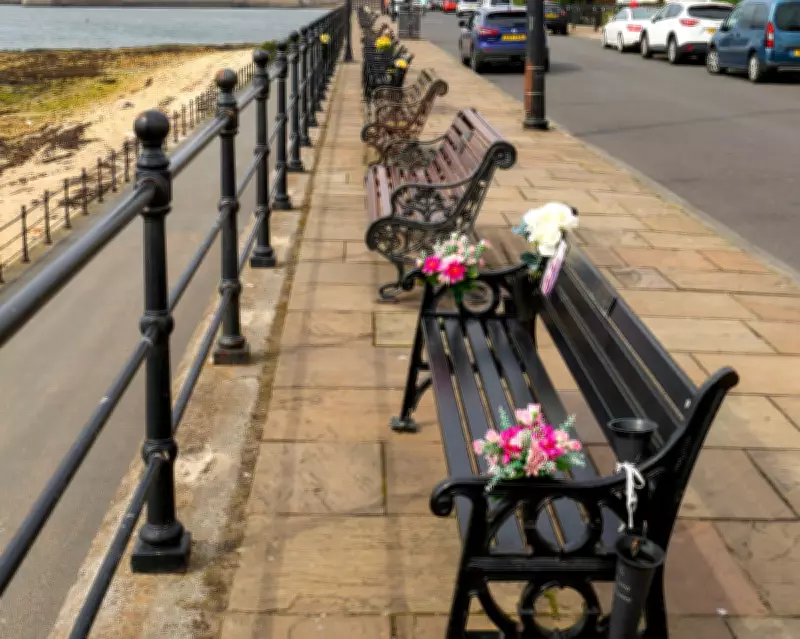
The council's recent audit revealed a troubling concentration of memorial benches, with 115 located on the Headland, 112 along Seaton promenade, and 48 in Ward Jackson Park. Officials described these areas as "overwhelmed," noting that the sheer density of benches has created physical barriers for pedestrians. In some locations, benches are placed so closely together that walking between them becomes difficult, while in others, they obstruct pathways for pushchairs and wheelchair users, compromising public access and safety.
Maintenance and Record-Keeping Challenges
While maintenance responsibilities for these benches technically fall to the individuals who installed them, council officers have expressed serious concerns about the lack of proper records and the deteriorating condition of many structures. Without clear ownership documentation, addressing repair needs becomes increasingly complex. The council has proposed attaching notices to the most neglected benches, urging responsible parties to undertake necessary repairs or face removal. If owners cannot be identified, the benches and their commemorative plaques will be removed, stored for a predetermined period, and ultimately disposed of.
Exploring Alternative Memorial Options
In response to the moratorium on new bench applications, Hartlepool Council is actively investigating alternative memorial solutions that could alleviate spatial pressures while still honoring loved ones. Potential alternatives under consideration include benches designed to accommodate multiple plaques, thereby reducing the physical footprint of individual memorials. Additionally, the council is exploring the installation of steel "memory trees" with engraved leaves and the planting of commemorative trees in public spaces, offering more sustainable and space-efficient options.
Future Steps and Community Impact
The suspension of new applications will remain in effect until the council can fully assess the current situation and establish suitable future arrangements. This pause aims to balance the community's desire for memorialization with the practical needs of public space management. The council's proactive approach highlights the growing challenges faced by local authorities in managing urban landscapes amid increasing demand for personalized commemorative installations. This situation underscores the delicate balance between honoring individual memories and maintaining accessible, functional public environments for all residents.