Croydon Council Forced to Refund LTN Fines Following Landmark High Court Decision
Croydon Council has announced it will refund all fines issued under six controversial Low Traffic Neighbourhood (LTN) schemes after a High Court ruling declared them unlawful. The decision comes after Justice Pepperall determined the council had exceeded its statutory powers by implementing the schemes primarily to generate revenue rather than to enhance road safety or environmental conditions.
Schemes Deemed Revenue-Driven Rather Than Safety-Focused
The High Court case, brought by local resident Karen Lawrence and campaign group Open Our Roads, centered on permanent traffic orders issued in March 2024. Justice Pepperall concluded that Croydon Council's dominant purpose behind implementing the LTNs was financial gain, which falls outside the lawful scope of the Road Traffic Regulation Act 1984.
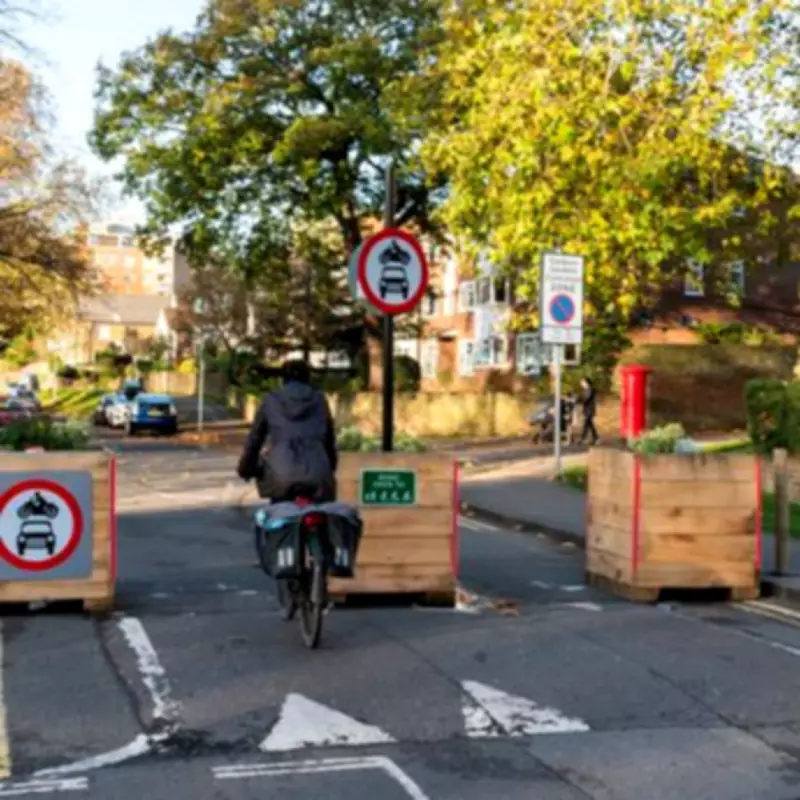
The six affected LTN schemes – located on Albert Road, Dalmally Road, Elmers Road, Holmesdale Road, Parsons Mead, and Sutherland Road – will now be completely removed. All physical barriers are being taken down and enforcement activities have ceased immediately on these streets.
Council's Financial Motivations Exposed in Court
The court examined Croydon Council's broader financial situation, including Section 114 notices issued in 2020 over a projected £67 million shortfall. Evidence revealed the council had projected a substantial £10.7 million surplus from the six LTN schemes between 2023 and 2027.
During proceedings, Executive Mayor Jason Perry made public statements acknowledging that the council's budget was "predicated" on these schemes. Justice Pepperall noted this admission, concluding that budgetary pressures rather than legitimate traffic management concerns drove the implementation of the LTNs.
Refund Process and Political Fallout
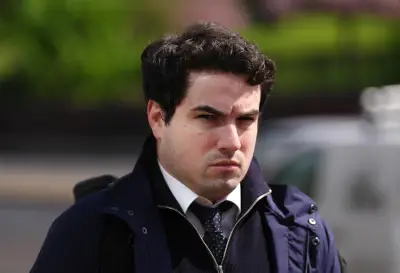
Mayor Perry confirmed on Monday that the council would not appeal the judgment and has terminated the schemes with immediate effect. "The priority is to ensure residents can easily claim back any fines they paid," Perry stated. The council will contact residents where email addresses are available and has launched a new online claim form for refund requests.
Defending his administration's position, Perry emphasized: "Low Traffic Neighbourhood schemes were introduced in Croydon in May 2020, before I was elected Mayor. Whilst I'm Mayor, these LTNs will not be returning." He added that his Conservative council has never supported these particular LTN implementations.
Opposition Criticism and Financial Implications
Labour opposition leader Councillor Stuart King launched scathing criticism of the mayor, stating: "Jason Perry's hypocrisy has caught up with him." King warned that taxpayers could now face millions in costs to address budget gaps created by the loss of projected LTN revenue.
King further highlighted what he called Perry's "latest financial fiasco," referencing a £15 million cost misstatement, the loss of a reportedly £22 million asset sale, and the need for what he described as "the highest ever government bailout to balance his budget." The Labour leader concluded: "It's clearer than ever that residents should call time on Jason Perry's mayoralty."
Historical Context and Future Implications
The LTN schemes were originally introduced in May 2020 during the previous administration. Since becoming Executive Mayor in 2022, Perry noted his administration had already taken steps to modify the schemes, including removing physical road barriers, introducing free resident permits, and conducting further trials to assess their practical operation.
This ruling establishes significant precedent regarding local authorities' implementation of traffic management schemes, particularly when financial motivations appear to outweigh stated safety or environmental objectives. The case underscores the legal boundaries of council powers under traffic regulation legislation and may influence similar challenges against LTNs in other boroughs.