Councils Take Action on Prince Andrew Street Names
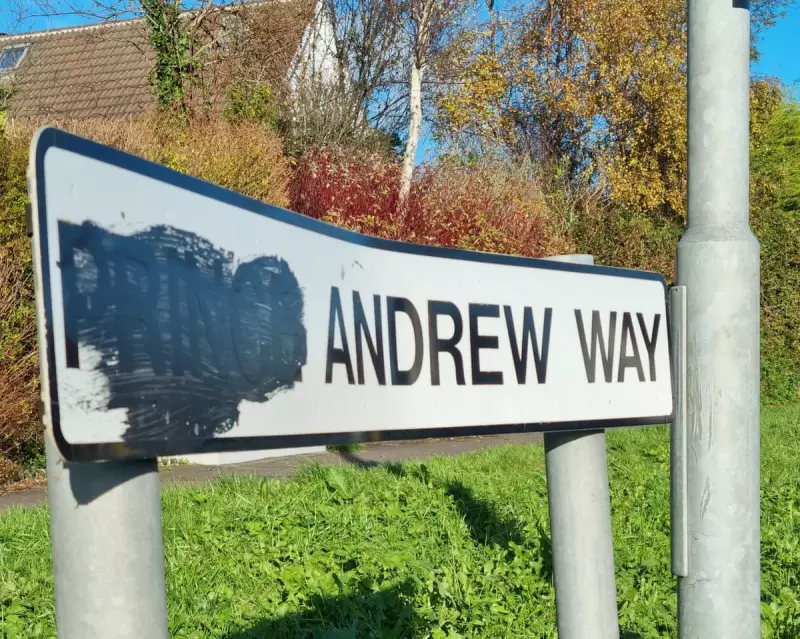
Local authorities across the United Kingdom are confronting the complex task of renaming streets that currently bear Prince Andrew's name. The movement gained significant momentum after Mid and East Antrim council voted to change Prince Andrew Way in Carrickfergus, Northern Ireland. This road had originally been named to commemorate Andrew Mountbatten-Windsor's 1986 marriage to Sarah Ferguson.
The decision was described by one councillor as "sad but necessary" following the formal stripping of the former prince's styles and titles. The controversy stems from sex allegations relating to Virginia Giuffre, a victim of convicted sex offender Jeffrey Epstein, which Andrew has consistently denied.
Resident Embarrassment Drives Change
In Maidenhead, Berkshire, residents of Prince Andrew Road and Prince Andrew Close have reported experiencing "surface-level embarrassment," "smirks," and "raised eyebrows" when providing their address. The Royal Borough of Windsor and Maidenhead has responded by making the renaming process easier, now requiring agreement from two-thirds of residents rather than unanimous consent.
Similar concerns have emerged in multiple locations across the UK, including Cambridge, Hitchin, Telford, Newport, Enniskillen, and Dungannon, where roads bearing Andrew's name and royal prefix are now under scrutiny. Only Norwich appears to have a disputed case, with local councillors claiming their Prince Andrew Road actually honours Prince Philip's father, Prince Andrew of Greece.
The Administrative Nightmare of Renaming
The process of changing street names proves remarkably complex and costly. Residents must update numerous official documents including bank accounts, credit cards, driving licences, utility bills, property deeds, and even pet microchips. Businesses face additional challenges, needing to redesign letterheads and business cards.
Richard Harwood KC, an expert in planning law, explained the current legal framework: "All we've got now is section 81 of the 2023 act. And that means it's a matter for the local authority to alter the name, and the operation needs to have the necessary support." The lack of clear guidelines on what constitutes "sufficient local support" creates uncertainty for councils.
The experience of Haringey council illustrates the potential scale of such undertakings. When renaming Black Boy Lane to La Rose Lane in Tottenham, north London, the process took three years and cost at least £50,000 in reimbursements to 168 property owners. Despite the official change, some residents protested by displaying original street names in their windows.
Broader Implications and Historical Precedents
Councils must consult extensively with emergency services and Royal Mail to avoid duplicate names and confusion. Administrative costs vary between authorities, and the changes extend to Land Registry legal fees, Google Maps, and satellite navigation systems.
The GeoPlace best-practice manual now discourages naming streets after living people due to the risk of situations similar to the Prince Andrew controversy. Even historical figures present challenges, as demonstrated by Madrid's Plaza Margaret Thatcher, where signage has been repeatedly vandalised and briefly unofficially renamed Bobby Sands Plaza.
In Bristol, despite calls for change, the council has not altered streets named after 17th-century slave trader Edward Colston. A council spokesperson confirmed this week that no consultations are currently open on this subject.
Meanwhile, in the Falkland Islands, four plaques unveiled by the former prince have been removed, including markers at a school and hospital. The Ministry of Defence confirmed that a plaque at the RAF Mount Pleasant airbase had also been taken down, though this occurred during renovations before the Epstein allegations emerged.