The ongoing reorganisation of councils under the English devolution bill, which has led to significant delays in local elections, has sparked a crucial conversation about the future of community governance. While much attention focuses on combined authorities, the role of hyperlocal town and parish councils is emerging as a vital element in this transitional period.
A Window of Opportunity for Local Voices
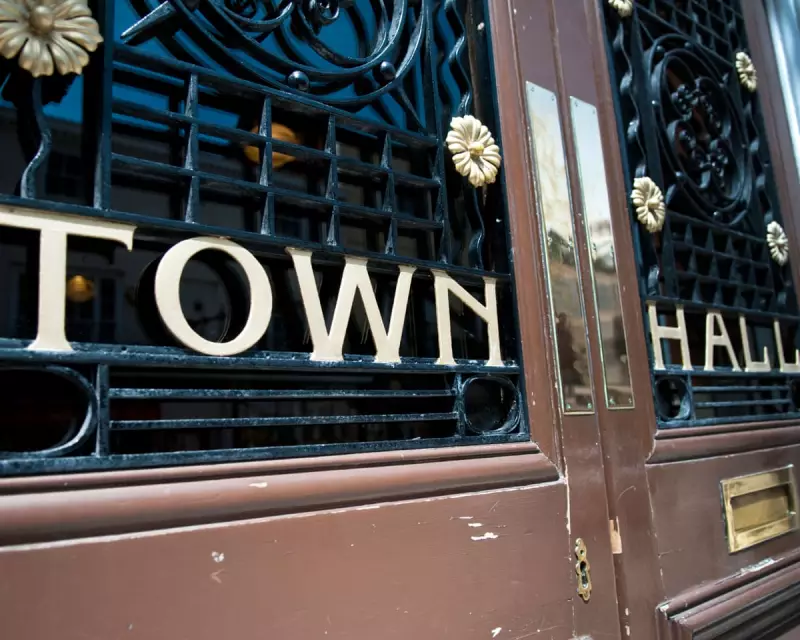
In Lewes, East Sussex, town officials are viewing these changes not merely as administrative hurdles but as a potential catalyst for community empowerment. With Sussex included in the government's priority programme for establishing a combined authority, local councils are being compelled to think creatively about their future functions.
Veronique Poutrel, town clerk of Lewes town council, emphasises that this period of uncertainty represents a unique chance for residents to engage with their most immediate decision-makers. "If communities want town and parish councils that truly reflect their needs and ambitions, now is the time to help shape them," she states, highlighting how these hyperlocal bodies could lead in developing genuinely place-based solutions.
Democratic Concerns Amid Election Postponements
The practical implications of these delays raise significant democratic questions. In East Sussex specifically, the May 2025 local elections have been cancelled, mayoral elections postponed until 2028, and county council elections delayed following government invitation.
This creates a situation where unelected councillors continue to govern without a fresh mandate, a circumstance that Sue Carroll from Rodmell describes as fundamentally unjustifiable. "Allowing councils that are notorious for being inefficient, unresponsive and unaccountable to their constituents to continue to run their counties for years after their term of office has ended is not justifiable," she argues.
The Broader Political Context
The debate extends beyond local governance to touch on national political consistency. Dr Richard Simmons from Chatham points out the apparent contradiction in Reform UK's position, noting that if the party objects to election cancellations on democratic grounds, it should logically demand byelections in constituencies where MPs have defected to their ranks.
This highlights how local election delays intersect with broader questions about political representation and accountability across different levels of government.
Looking Forward: Community-Led Solutions
Despite the democratic concerns, the current situation presents an unprecedented opportunity for community engagement. Town and parish councils, being closest to residents, are positioned to facilitate discussions about locally-tailored approaches to issues that matter most to their communities.
As combined authorities begin to form across England, these hyperlocal bodies could serve as essential bridges between regional structures and neighborhood concerns. The challenge lies in ensuring that during this transitional period, communities actively participate in shaping councils that will represent them effectively in the new devolution landscape.
The coming years will test whether this period of election delays and administrative reorganisation ultimately strengthens local democracy or undermines it, making community engagement more crucial than ever.