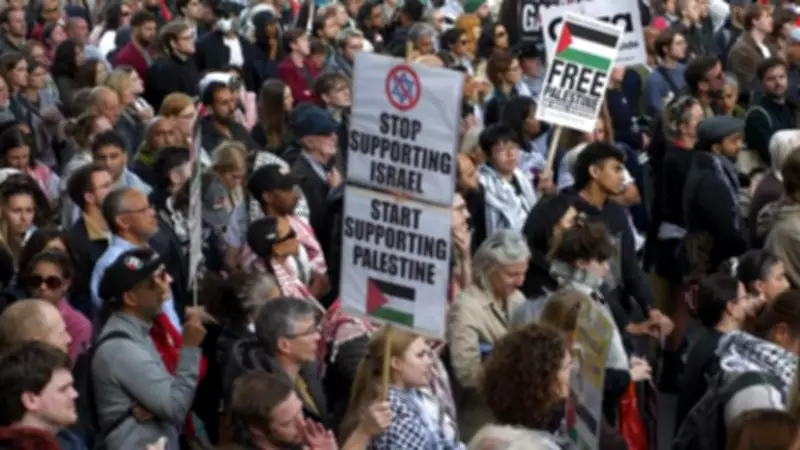
Over 1,000 UK Councillors Sign Palestine Solidarity Pledge Amid Political Tensions
In a significant political development, more than one thousand local councillors across the United Kingdom have signed a pledge of solidarity with the Palestinian people. This move has ignited intense debate, with critics labeling it as "political opportunism" and supporters hailing it as a crucial stand for human rights. The pledge commits signatories to uphold the inalienable rights of Palestinians and ensure their councils are not complicit in what they describe as Israel's violations of international law, such as divesting from pension funds linked to arms companies.
Political Landscape and Election Implications
With local elections on the horizon, this pledge could become a decisive issue in key areas, particularly for Labour-run councils already facing challenges. Campaigners argue that the mass support reflects growing public demand for ethical investments and an end to conflicts like the war in Gaza. However, the Israeli embassy has condemned the pledge as a "disgraceful effort at intimidation", while some political figures warn it risks inflaming community tensions and antisemitism.
Breakdown of Signatories by Party
The signatories span various political affiliations, highlighting the cross-party nature of this movement. According to recent data:
- 345 councillors from the Green Party
- 338 councillors from the Labour Party
- 104 councillors from the Liberal Democrats
- 38 councillors from the SNP
- 17 councillors from Plaid Cymru
- Smaller numbers from other parties and independents
This distribution underscores the deep divisions within Labour, where the issue of Gaza has long been contentious. The prime minister's initial hesitation to call for a ceasefire after the October 7 attacks led to a decline in support among Muslim communities, resulting in the loss of four Labour seats to pro-Palestinian candidates in the 2024 general election.
Regional Impact and Council Dynamics
The pledge's influence varies significantly across different councils, potentially shaping electoral outcomes:
- In Islington, a Labour-dominated area, 59% of councillors have signed, predominantly from Labour.
- In Tower Hamlets, 49% have pledged, nearly all from the controlling Aspire group, with no Labour councillors among them.
- In Sheffield, where no party holds overall control, 24% have signed, including Greens and Labour members.
- In Bradford, 29% have pledged, mostly Greens and independents.
- In Hackney, 16% have signed, with only three from Labour amid debates over divestment.
Voices from the Campaign
Hackney Green Councillor Zoe Garbett emphasized the importance of the pledge, stating it allows councils to make ethical investments and represent residents' concerns on a national level. She noted that many people seek an end to the conflict in Gaza and want local representatives to advocate for them.
Richard Burgon, Labour MP for Leeds East, suggested that Labour councillors signed the pledge to distinguish themselves from the party leadership's stance, indicating internal pressure for stronger support of Palestine.
Conversely, Lord Steve McCabe from Labour Friends of Israel expressed concerns, arguing the campaign interferes in local elections and encourages councils to develop foreign policies, which he called a "dangerous road to go down." He highlighted fears of increased antisemitism, with Jewish communities feeling unsafe in their own neighborhoods.
Organizational Backing and Government Response
The pledge was launched by the Palestine Solidarity Campaign, supported by groups like the Palestinian Youth Movement Britain and The Muslim Vote. Dan Iley-Williamson, a political organiser, pointed out that local authorities manage pension funds investing over £12 billion in companies tied to Israel's military actions, urging electoral candidates to stand up for Palestine to gain votes.
The UK government has formally recognized Palestine to promote a two-state solution, but this pledge adds pressure for more concrete actions. As the May elections approach, the mass movement for Palestine shows no signs of waning, promising to keep this issue at the forefront of political discourse.