
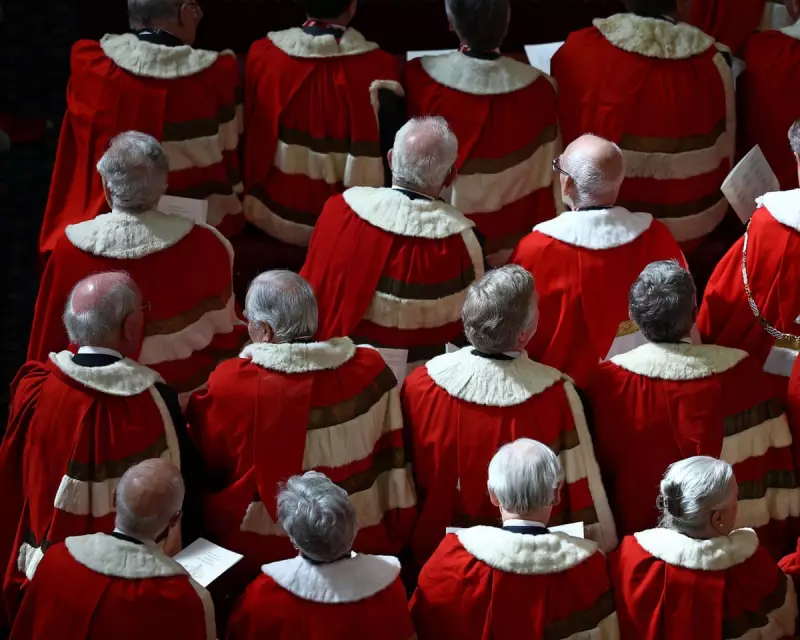
Peers Face Suspension in Lobbying Scandal
The House of Lords has suspended two of its members after they were found to have broken strict parliamentary rules on lobbying. Lord Dannatt, the former head of the British army, and Lord Evans of Watford were both caught in an undercover investigation by the Guardian, where they separately offered to use their influence to arrange introductions to government ministers for a potential commercial client.
Undercover Investigation Reveals 'Euphemisms' for Lobbying
The parliamentary watchdog ruled that their actions constituted lobbying for personal profit, a direct violation of the fundamental principle that peers must act solely in the public interest. During conversations with reporters posing as property developers, neither peer used the word 'lobbying', which is strictly banned. Instead, they employed a series of euphemisms.
Lord Dannatt spoke of his intention to 'generate an introduction' and 'facilitate a conversation' with the best-placed minister. Lord Evans, describing himself as a 'high-level facilitator', remarked on the advantage of being a Labour peer when the party is in government, stating it was 'great... because we've got our mates who now have senior jobs'.
A Culture of Outside Roles and Lack of Reform
This incident has cast a harsh light on the culture and rules of the House of Lords, an institution that has long resisted fundamental reform. Unlike MPs, peers are not paid a salary but can claim a tax-free daily allowance of £371 for attendance, plus expenses. The official justification for allowing outside employment is to bring real-world expertise into the legislative chamber.
However, the reality is that this system creates easy opportunities for some peers to leverage their privileged positions for private gain. A wider investigation found that one in ten peers are paid for providing political advice. Furthermore, a minority of peers do the majority of the work; just 10% were responsible for over half of the contributions in the last parliament.
The main check on the chamber's growth has been death itself, as prime ministers continue to use appointments as a form of political patronage. Proposals for reform, including participation requirements, an appointments overhaul, and a retirement age of 80, have been delayed and sent to a select committee for future consideration.
While the Lords has slowly tightened rules after previous scandals, the chamber remains an unreformed institution where the concept of 'personal honour' has proven insufficient to prevent misconduct. Until the same restrictions on second jobs applied to MPs are extended to the Lords, it seems likely such scandals will recur.




