
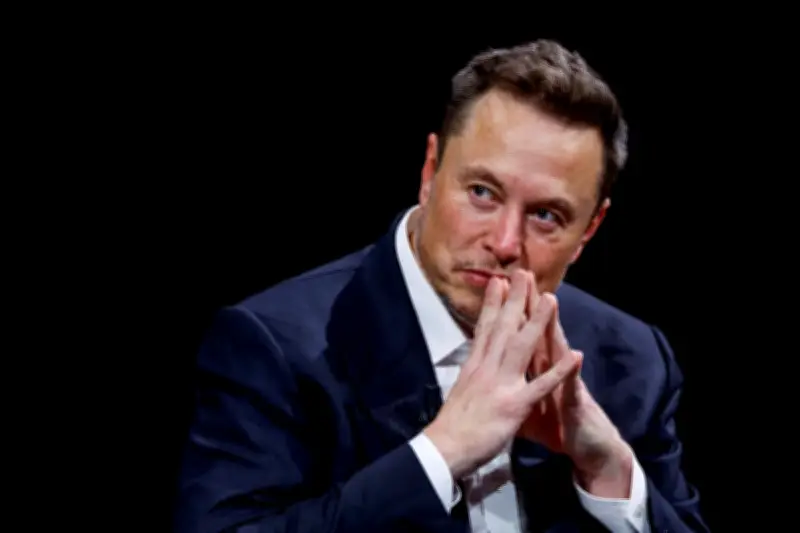
Elon Musk's artificial intelligence company, xAI, has sued the state of Minnesota over a first-in-the-nation law that bans websites and apps from offering 'nudification' technology, which uses AI to generate fake nude images of real people. The lawsuit, filed Monday in federal court, challenges the law just days before it is set to take effect on Saturday.
Lawsuit details and arguments
In the 38-page complaint, xAI acknowledges the state's legitimate interest in banning non-consensual AI-generated nude images but argues that Minnesota's law goes too far. The law prohibits many constitutionally protected images and videos, according to xAI, and imposes a penalty of $500,000 per violation. The company also notes the lack of a 'safe harbor' provision for firms that make good-faith efforts to prevent such content, and says the law covers images that were created with the depicted person's consent or even by that person themselves.
The lawsuit further contends that the law's definition of 'intimate part' is overly broad, encompassing body parts that are routinely displayed in public. xAI's Grok chatbot and image generator, available on X (formerly Twitter), is subject to the law.
Attorney general responds
Minnesota Attorney General Keith Ellison issued a statement saying his office had not yet been served with the lawsuit. 'But I know that using AI to generate nude images of people against their will is appalling. There are plenty of worthy debates to have about AI policy. This is not one of them. AI nudification robs the target of their dignity and can cause immense harm on an emotional, personal and professional level,' Ellison said.
Legal context and similar laws
State laws targeting election deepfakes have seen mixed results in courts; California's law was blocked on First Amendment grounds. Minnesota's law, however, has so far survived a 2025 court challenge from Musk's company. The law is distinct from other state and federal laws that outlaw deepfakes and AI-generated sexually explicit images, as those typically penalize the users of the tools, not the toolmakers. The federal Take It Down Act, passed last year, requires websites to implement removal processes.
Texas took a different approach last year, holding website or app owners liable for civil damages if they knew a nudified image was created without consent and failed to take it down promptly.
xAI's content policies
In the lawsuit, xAI states that Grok's terms of service prohibit using it for illegal, harmful, or abusive activities, including altering images to nudify or depict someone in a sexually explicit way. The company enforces these rules through account suspensions, terminations, and reporting of suspected child sexual abuse material. xAI also said in January that it has 'zero tolerance for any forms of child sexual exploitation, non-consensual nudity, and unwanted sexual content.'
Following global backlash over sexualized images of women and children, Grok introduced geo-blocking in January to prevent editing of photos of real people in revealing clothing where such editing is illegal. 'We have implemented technological measures to prevent the Grok account from allowing the editing of images of real people in revealing clothing such as bikinis, underwear and other revealing attire,' xAI said in a January statement.




