
In a remarkable reversal of traditional migration patterns, thousands of Western citizens are abandoning their home countries to seek refuge in Russia, drawn by what they perceive as a stronger alignment with conservative values and traditional family structures.
The American Family Trading Texas for Ivanovo
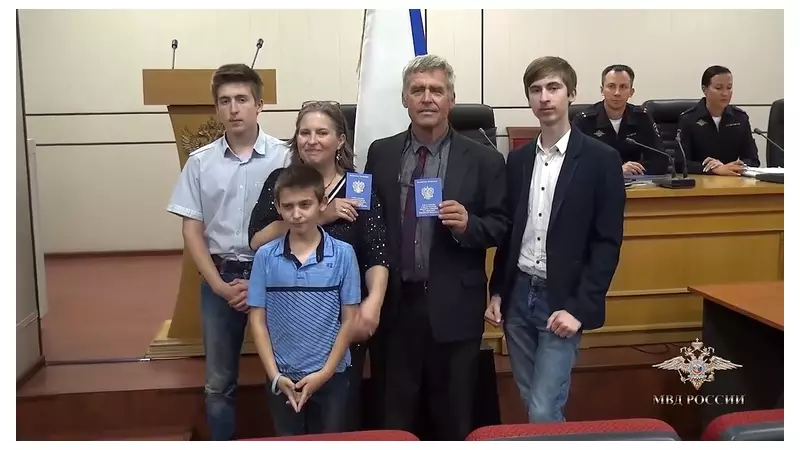
The Hare family's journey from rural Texas to an apartment in Ivanovo, a city 150 miles from Moscow, represents one of the most striking examples of this emerging trend. Leo and Chantelle Hare, devout Christians with three sons aged 17, 15 and 12, made the life-changing decision to relocate to Russia two years ago after feeling increasingly "persecuted" in the United States.
"We were noticing a great upsurge in LGBT-type policies coming into the government, especially the school system," Leo Hare explains. His wife Chantelle adds more emphatically: "This is where we drew a line in the sand. This is a complete demonic attack against conservative Christian families."
The family was granted asylum last year in a ceremony that received coverage on Russian state television, marking their official status as what they describe as "moral migrants." Their new life in Ivanovo represents a dramatic shift from their previous existence on a Texas farm complete with its own shooting range.
Russia's Shared Values Visa Programme Gains Traction
According to the latest figures from Russia's interior ministry, 2,275 Westerners have applied for the new Shared Values visa since its introduction by Vladimir Putin in August 2024. The programme specifically targets citizens from countries Russia considers "unfriendly," including Britain, the United States and most European Union nations.
The visa offers successful applicants a three-year residency permit without requiring them to meet traditional language proficiency tests or specific skills criteria. This accessibility appears to be a significant factor in the programme's growing popularity among disaffected Western conservatives.
Philip Hutchinson, whose company Moscow Connect assists Westerners with their visa applications, reports receiving between 50 and 80 inquiries weekly from the UK alone. "There's a huge amount of people that are frustrated by the way the country's got in," Hutchinson observes. "Taxes keep going up and up and up. And we're giving all this money to Ukraine."
British Expats Embracing Russian Society
In Moscow's financial district, on the ninth floor of a modern skyscraper, evidence of this migration wave becomes visible during Russian language classes organised by expat clubs. Among those diligently practising pronunciation is Philip Port from Burnley, who runs a visa agency helping Russians relocate to the UK—an ironic counterpart to his own decision to move eastward.
Port has been travelling to Russia intermittently for two decades and applied for the Shared Values visa for both practical considerations and ideological alignment. "I love Russia," he states unapologetically, describing the country as "safe as houses" with "no crime, clean streets, and well-developed infrastructure."
His critique of Britain reflects concerns shared by many of the new migrants: "I'm all for gay rights, don't get me wrong, but I think when they're teaching them to children in school—I've got a seven-year-old son, I don't want him being influenced in that way."
Navigating Challenges in a New Homeland
Despite the ideological appeal, the transition to Russian life hasn't been without significant challenges for some families. The Hare family experienced a substantial financial setback, losing $50,000 (£38,200) to scammers who initially provided them with accommodation upon their arrival.
Educational barriers have proven particularly difficult, with their two oldest sons returning to America because they couldn't find suitable schooling. The family discovered too late that Russian state education requires children to speak the language fluently—a requirement they hadn't anticipated.
When asked if they regret their decision to move, Leo Hare reflects philosophically: "Moving so fast? Probably. At times though, your pathway in life takes you places you wouldn't have willingly gone. But through God and providence you're meant to go through this."
Political Dimensions and Moscow's Stance
The phenomenon has inevitably acquired political dimensions, with some ideological immigrants creating polished social media content celebrating their new lives in Russia. In one extreme case, American blogger Derek Huffman, who relocated from Arizona with his family, has even joined the Russian army to fight in Ukraine.
This provides valuable public relations material for a nation positioning itself as a bastion of traditional values against what it characterises as declining Western liberalism. However, Russian officials maintain they're not actively recruiting Western migrants.
Maria Butina, the Russian lawmaker leading the Shared Values programme, emphasises: "We don't give any social security guarantee or any free housing. People come on their own with their own money, own families, at their own expense."
Philip Hutchinson, who moved to Moscow earlier this year after his Russian wife encountered UK visa difficulties, represents another facet of this migration trend. A former Conservative Party candidate in British local elections, he acknowledges that the ongoing conflict in Ukraine doesn't deter him or his clients: "It doesn't. As far as I'm concerned, I'm not getting involved in that. You know, I'm not here to deal with politics."
As Western nations grapple with cultural and political divisions, Russia's Shared Values visa programme continues to attract those feeling alienated by progressive social policies, creating a small but growing community of ideological migrants betting their future on a country offering sanctuary from the changes they fear most.




