
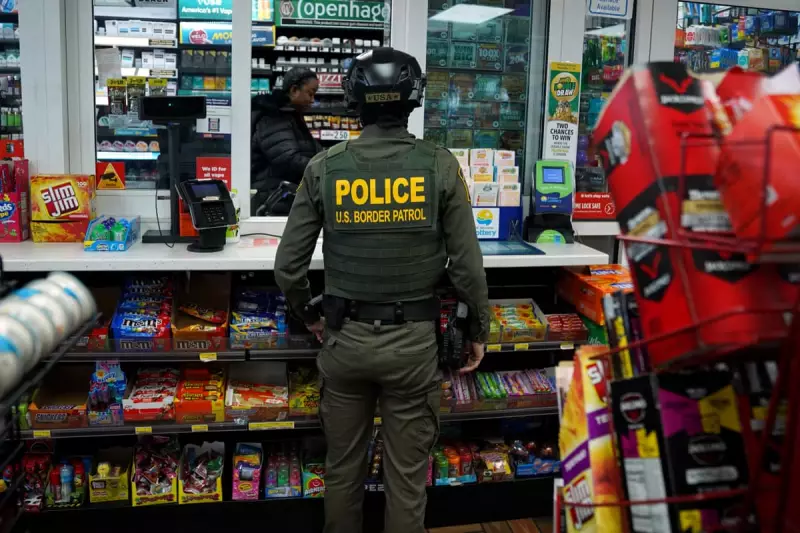
The deployment of US border agents to Charlotte, North Carolina, has ignited significant debate about immigration enforcement practices in America's interior regions. This unusual move by US authorities represents a notable shift in how immigration policies are being implemented far from traditional border areas.
Understanding the Charlotte Deployment
Customs and Border Protection (CBP) officers have been dispatched to Charlotte as part of a broader initiative to strengthen immigration enforcement. These agents, typically stationed at ports of entry and border regions, are now operating in a major metropolitan area hundreds of miles from the nearest international boundary.
The deployment involves personnel from various CBP units, including Border Patrol agents and Office of Field Operations officers. Their presence in Charlotte marks a significant expansion of their traditional jurisdiction and has raised questions about the scope of their authority in domestic settings.
Legal Framework and Enforcement Powers
Under US law, border agents possess specific authorities that differ from those of general law enforcement. The Immigration and Nationality Act grants CBP officers broad powers within 100 miles of any external boundary, an area often referred to as the "border zone." However, Charlotte's location presents unique legal considerations.
Border agents maintain the authority to conduct immigration inspections and check documentation regardless of location when dealing with international travel points, such as airports. Charlotte Douglas International Airport serves as the primary context where these agents exercise their jurisdiction, conducting compliance checks and verifying travellers' immigration status.
Local Impact and Community Response
The presence of federal border agents in a major city like Charlotte has generated mixed reactions from local communities and officials. Some residents and advocacy groups have expressed concerns about the potential for increased profiling and the chilling effect on immigrant communities seeking essential services.
Local law enforcement agencies have emphasised their continued focus on community policing while navigating the complexities of cooperating with federal immigration authorities. The situation has prompted discussions about the balance between national security priorities and maintaining trust within diverse urban populations.
Business leaders and tourism officials have also monitored the situation closely, recognising potential implications for Charlotte's reputation as a welcoming destination for international visitors and investors.
Broader Implications for Immigration Policy
This deployment occurs within the context of ongoing debates about US immigration reform and enforcement strategies. The movement of border agents to interior cities represents an evolution in how the US government approaches immigration control beyond physical borders.
Policy experts note that such deployments reflect increasing concerns about visa overstays and interior enforcement, complementing traditional border security measures. The Charlotte situation illustrates how immigration enforcement strategies are adapting to address modern migration patterns and challenges.
The deployment also highlights continuing tensions between federal immigration priorities and local governance, particularly in cities that have adopted varying approaches to cooperating with federal immigration authorities.
As similar deployments potentially expand to other cities, the Charlotte case serves as an important precedent for how interior immigration enforcement might evolve in coming years, with significant implications for urban centres across the United States.




