
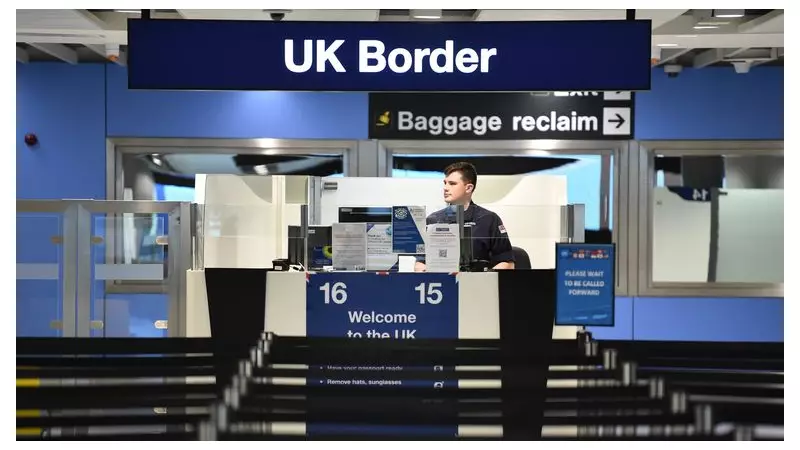
Britain's Landmark Immigration Overhaul
The UK government has announced what it describes as the most significant transformation of Britain's legal migration system in nearly half a century. These sweeping reforms, revealed on Thursday 20 November 2025, will fundamentally alter how migrants gain permanent settlement and seek asylum, affecting both existing residents and future arrivals.
Major Changes to Settled Status Requirements
One of the most dramatic shifts concerns the pathway to permanent settlement. Previously, migrants needed to wait five years before applying for indefinite leave to remain. This qualifying period will now double to ten years, impacting approximately two million people currently living in the UK.
The government is implementing a tiered system where settlement timelines vary dramatically based on profession and contribution:
- Doctors and nurses working in the NHS will maintain their five-year pathway
- High earners and entrepreneurs could qualify in just three years
- Migrants demonstrating strong English skills and volunteer work may receive accelerated settlement
- Low-paid workers face an extended 15-year wait
- Migrants relying on benefits could wait up to 20 years, quadrupling previous requirements
These measures specifically target the 616,000 individuals and their dependents who arrived on health and social care visas between 2022 and 2024. The government also plans to restrict benefits and social housing exclusively to British citizens.
Asylum System Transformed with Temporary Status
Drawing inspiration from Denmark's immigration model, the UK will replace permanent refugee status with temporary protection. Asylum seekers will receive leave to remain for 30 months instead of five years, renewable only if danger persists in their home countries.
Refugees can achieve settlement sooner through a new "work and study" visa route by securing employment or pursuing education at an appropriate level, though this requires paying a fee.
The government will revoke its legal duty to support destitute asylum seekers, arguing this obligation stemmed from EU laws that no longer bind Britain. Support becomes discretionary, with exclusions for:
- Individuals with criminal records
- Those refusing to relocate
- People capable of working who choose not to
- Those being disruptive in accommodation
- Anyone deliberately making themselves destitute
Asylum seekers with assets or income must now contribute to their support costs.
Tougher Stance on Illegal Migration and Appeals
For illegal migrants and those overstaying visas, the path to settlement becomes exceptionally challenging with waits extending up to 30 years. The government is establishing a "one in, one out" arrangement with France, returning channel crossers while accepting security-vetted migrants through legal routes.
Additional measures include:
- Removing automatic family reunion rights for refugees
- Increasing removals of failed asylum seekers' families
- Offering financial incentives for voluntary departure
- Imposing visa sanctions on uncooperative countries
- Streamlining the appeals process to a single route
The government will reform human rights legislation to reduce legal challenges against deportations and cap arrivals through "safe and legal routes" based on local capacity.
These reforms exclude people with existing settled status, while the five-year wait for immediate family members of UK citizens and Hong Kongers with British national (overseas) visas remains unchanged. Transitional arrangements will be subject to consultation.




