
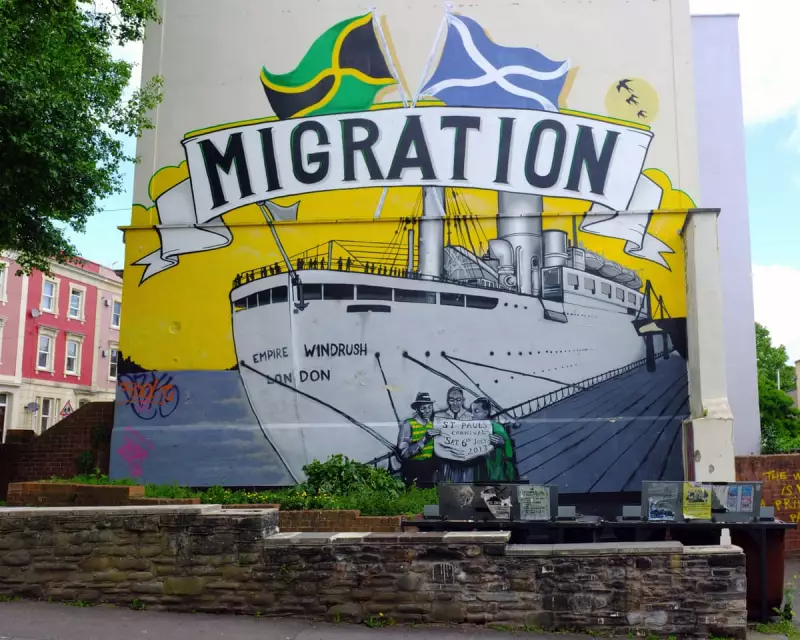
The story of eight-year-old Lati-Yana Stephanie Brown is a stark and heartbreaking example of how Britain's immigration policies continue to fracture Caribbean families, echoing a painful historical pattern from enslavement to the Windrush scandal.
A Humanitarian Plea Denied
In the wake of Hurricane Melissa, which devastated the Greater Antilles in late October, Lati-Yana was left destitute in Jamaica. Her parents, who reside legally in the UK, appealed to the Home Office to expedite her visa application on humanitarian grounds. Instead, officials rejected it. The child has been left sleeping on the floor of her elderly grandmother's storm-damaged home.
According to her mother, Kerrian Bigby, the refusal was based on factual inaccuracies. Dawn Butler MP has raised formal concerns, highlighting "misrepresentations" in the decision notice, including an incorrect claim that Bigby does not have full parental responsibility.
Rather than rectifying the error in the face of an emergency, the Home Office has doubled down on its decision. This case underscores a brutal reality: Britain's immigration system routinely separates children from their parents, with devastating consequences.
A Historical Continuum of Family Separation
This is not a simple bureaucratic mistake. It reflects a deep and enduring history in Britain's relationship with the Caribbean. The deliberate separation of families was a cornerstone of the slavery plantation system, where children were sold or used as leverage.
After abolition, Britain compensated slave owners but left the region's economy gutted, creating conditions of scarcity that drove migration to the UK. Post-war arrivals faced racism and hardship, and bringing children was often impossible. The 1971 Immigration Act then slammed the door shut, leaving thousands of "barrel children" behind, sustained by remittances but scarred by separation.
The intergenerational trauma is unmistakable. Many in the Caribbean diaspora still live with the emotional fallout of these policies, which now risk being repeated for a new generation.
Policy by Design, Harm by Default
During the Windrush scandal, ministers apologised for "unintended" harm. Yet Home Office policy continues to inflict deliberate damage. The case of Lati-Yana is a chilling echo: a mother migrates for stability, a child is left with a carer, disaster strikes, and the UK system responds with suspicion and delay.
This is especially stark given that Caribbean diaspora groups and MPs are urging the UK to temporarily relax visa rules for vulnerable Jamaicans affected by the hurricane. Jamaica remains the only country where King Charles is head of state whose citizens still require a visa to enter the UK—a striking contradiction in the "special relationship".
Campaigners have pushed for emergency measures, and the Jamaican High Commissioner has raised the issue with the Foreign Office. Organisations like Unicef are aiding 1.6 million affected children in the region.
If the Home Office truly wishes to move beyond the cruelty of the past, it must start by righting this immediate wrong. It must acknowledge the urgency, correct its errors, and reunite Lati-Yana with her parents. Britain's centuries of policy helped create these fractures; the very least it can do now is stop deepening them.




