
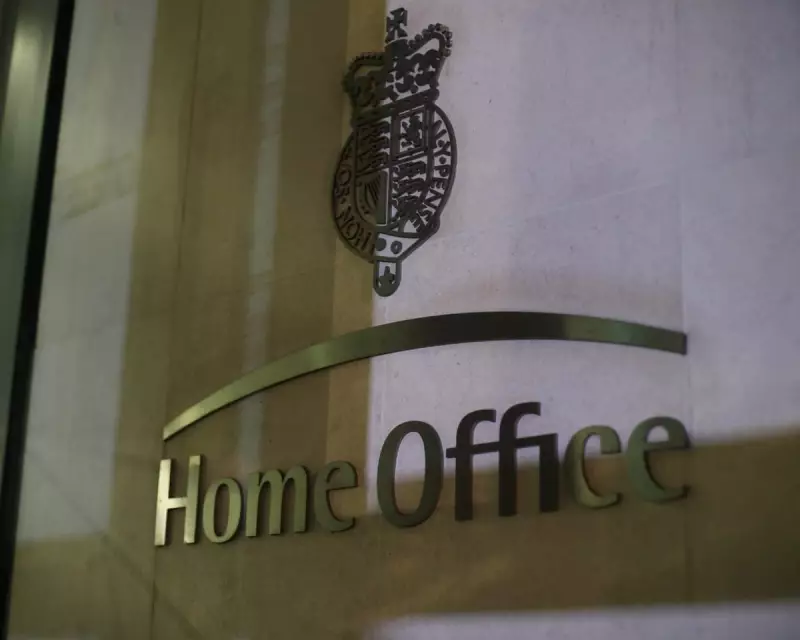
The UK government has unveiled a controversial new asylum policy that could see refugees having valuables, such as jewellery, seized to help cover the costs of their asylum applications. This move, confirmed by a Home Office minister, forms part of a wider crackdown on migration.
Confiscation Details and Ministerial Defence
Speaking ahead of the formal announcement, Home Office minister Alex Norris defended the proposed measures. He stated that while items of deep sentimental value like wedding rings would not be taken, other valuable assets could be confiscated.
Norris told broadcasters that it was right for asylum seekers to contribute if they possessed significant assets. "The British public pay billions of pounds a year so that those seeking asylum, or those who have already failed in their applications, can be supported," he said. "It is right if those people have money in the bank, people have assets like cars, like e-bikes, they should be contributing."
When pressed, he confirmed that a "bag full of gold rings" would be treated differently to a family heirloom, indicating that high-value jewellery without sentimental attachment could be seized.
Broader Policy Shifts and International Pressure
The idea is reportedly borrowed from Denmark's stringent asylum approach and is being introduced by Home Secretary Shabana Mahmood. The sweeping changes are billed as the government's strategy to counter what it describes as "dark forces … stirring up anger" over migration.
In addition to asset seizures, the policy includes:
- Diplomatic sanctions, such as visa restrictions, on countries that refuse to take back their nationals whose asylum claims have been rejected.
- Nations like Angola, Namibia, and the Democratic Republic of the Congo have been identified as potential targets.
- A new legal framework to toughen how courts apply the European Convention on Human Rights concerning family life, enabling more deportations.
Furthermore, the government confirmed that refugees could be returned to their home countries if those nations are no longer deemed dangerous, with their status reviewed every 30 months. This applies even to families with young children settled in UK schools.
Internal Dissent and Charitable Warnings
The proposed measures have already caused significant concern within the governing party. A number of Labour MPs are known to dislike some of the ideas, with at least one minister considered to be on resignation watch over the plans to ramp up deportations of refugee families.
Charities have issued stark warnings, suggesting the policy risks creating "another Windrush scandal." They argue it would leave refugees in a state of near-permanent limbo, disrupt children's education, prevent adults from building stable careers, and ultimately hinder integration into British society.
The full details of the asylum policy overhaul are set to be presented to the House of Commons by Home Secretary Shabana Mahmood.




