
In what is being described as the most radical transformation of Britain's asylum system in modern history, the UK government is poised to announce that refugee status will become temporary and subject to regular assessment.
The End of Permanent Sanctuary
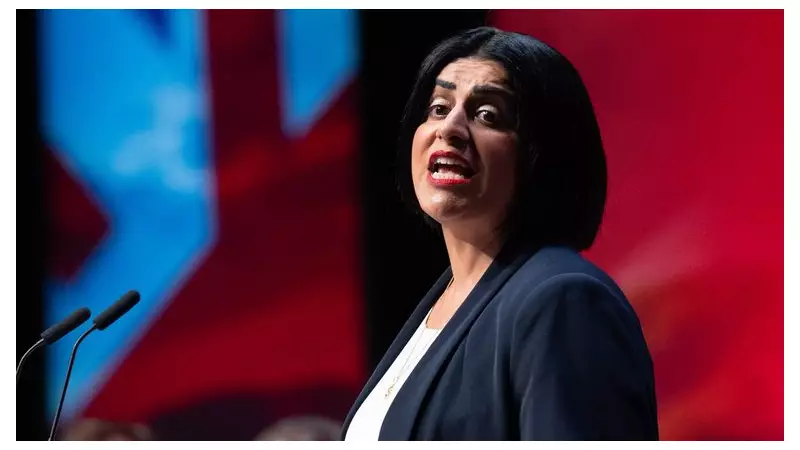
Home Secretary Shabana Mahmood will unveil the sweeping reforms on Monday, marking a fundamental shift from the current system where those granted refugee status receive five years of protection before being able to apply for indefinite leave to remain.
Under the new framework, modelled closely on Denmark's approach, refugees will see their status become temporary and subject to periodic review. The most significant change means that the moment a refugee's home country is deemed safe, they will be removed from the UK.
In a social media preview of her announcement, Ms Mahmood stated: "We will always be a country that gives sanctuary to people who are fleeing danger, but we must restore order and control." She characterised the changes as "the most significant changes to our asylum system in modern times".
Learning from the Danish Experience
The reforms draw heavily from Denmark's immigration system, which has implemented increasingly restrictive measures in recent years. Like the Danish model, the UK plans to make most asylum statuses temporary, with residency permits revocable once home countries are considered safe.
Additional measures being considered include tighter rules on family reunions, potentially mirroring Denmark's requirements that both sponsors and their partners be at least 24 years old – a measure designed to prevent forced marriages.
The Danish approach also includes employment requirements for settlement and financial guarantees for family members. A government ally close to the Home Secretary explained: "Today, becoming a refugee equals a lifetime of protection in Britain. Mahmood will change that, making refugee status temporary and subject to regular review."
Addressing Rising Asylum Numbers
The reforms come as 39,075 people have arrived in the UK after making channel crossings so far this year, according to the latest Home Office figures. This represents a 19% increase compared to the same point in 2024 and a 43% rise from 2023 levels.
Ms Mahmood criticised the previous government's approach, noting they had "years to tackle this problem" but instead "wasted" time and money on the £700m Rwanda scheme. While asylum claims across Europe have fallen, numbers in Britain have continued to rise, creating urgency for policy changes.
Further expected changes include requiring judges to prioritise public safety over migrants' rights to family life or concerns about "inhuman" treatment if returned to their home countries.
Controversy and Consequences
The proposed changes have sparked significant concern among refugee advocacy groups. Enver Solomon, chief executive of Refugee Council, warned: "These sweeping changes will not deter people from making dangerous crossings, but they will unfairly prevent men, women and children from putting down roots and integrating into British life."
He emphasised that refugee status represents safety from conflict and persecution, arguing that stability allows refugees to become "full members of their new communities with a stable future for themselves, their children and generations to come".
However, supporters point to Denmark's success in reducing asylum applications to a 40-year low, with 95% of failed asylum seekers being deported from the country. Research from 2017 suggested that Denmark's "negative nation branding" had effectively limited asylum applications.
The government maintains that these changes are necessary to make the UK less attractive for illegal immigration while ensuring that genuine refugees receive protection during periods of genuine danger in their home countries.




