
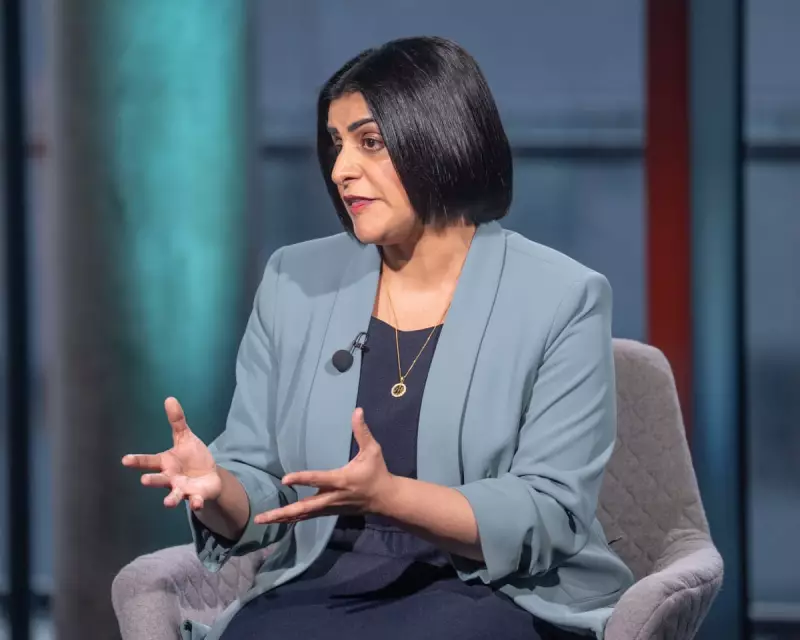
The UK government is poised to enact the most significant changes to the asylum system in modern times, with Home Secretary Shabana Mahmood set to announce that state support for asylum seekers will become discretionary.
What the New Asylum Proposals Mean
In a bold move to address public concerns over immigration, the Home Secretary will present a package of reforms on Monday. The central change involves amending existing laws that currently guarantee housing and financial assistance to asylum seekers who would otherwise be destitute.
Under the new plan, this support will no longer be an automatic right. Instead, the government will have the discretion to deny help to those it deems capable of working or who possess personal assets. Shabana Mahmood has described these measures as essential to "restore control and fairness to the system."
She further justified the reforms by stating, "This country has a proud tradition of welcoming those fleeing danger, but our generosity is drawing illegal migrants across the Channel. The pace and scale of migration is placing immense pressure on communities."
Who Will Be Affected by the Changes?
Despite the sweeping nature of the announcement, the immediate impact may be limited. Government sources have confirmed that the core rule prohibiting most asylum seekers from working will remain unchanged. This means the vast majority of the approximately 100,000 people currently receiving asylum support in the UK are unlikely to see their status altered.
The majority of these individuals are accommodated by the state, with about a third still living in hotels. The Labour government has pledged to end the use of hotels for asylum accommodation by 2029.
A smaller group, estimated at 8,500 people, who entered the UK on a visa and later claimed asylum, already have the right to work and are housed in asylum accommodation. Their position may be reviewed under the new discretionary framework.
The Broader Impact on UK Immigration Policy
This policy shift represents the government's latest attempt to manage the complex challenges of illegal migration and the asylum process. By making support discretionary, the authorities aim to create a more stringent system that differentiates between those deemed truly destitute and others.
The announcement is expected to spark debate on the balance between controlling borders and upholding the UK's humanitarian obligations. As the Home Secretary undertakes a media round to explain the proposals, the full details and implementation timeline will become clearer, setting the stage for a significant parliamentary and public discussion on the future of UK asylum policy.




