
Major Asylum Overhaul Aims to Deter Channel Crossings
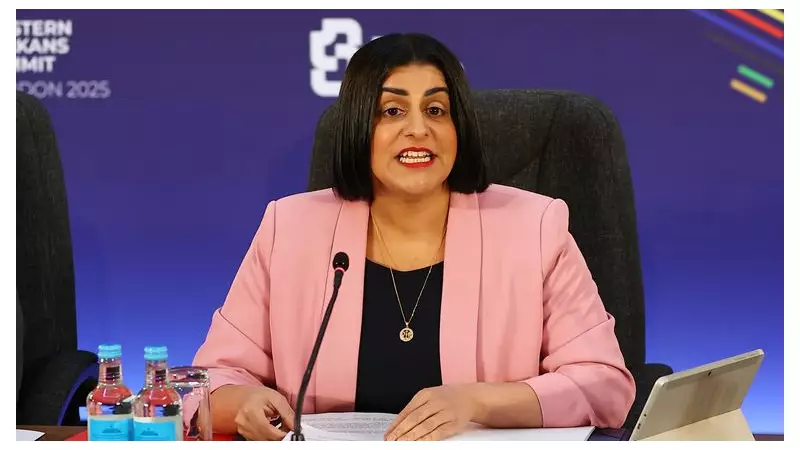
The Home Secretary has pledged to dismantle what she describes as the UK's 'golden ticket' for asylum seekers, announcing the most significant reforms to the immigration system in a generation. Shabana Mahmood is set to unveil sweeping measures on Monday that will fundamentally alter how refugees are treated in Britain, with the explicit aim of making the country a less attractive destination for illegal immigration.
What the Danish-Inspired Reforms Will Change
Modelled closely on the system operational in Denmark, the planned changes represent a dramatic shift from current policy. Under the new rules, refugee status will become temporary and subject to regular review, rather than providing a near-automatic path to settlement. The government will seek the power to remove individuals as soon as their countries of origin are declared safe.
The Home Office contends that the current framework has acted as a powerful magnet, contributing to the surge in asylum claims. A government source stated that the existing system is being 'gamed by those travelling on boats or abusing legal visas'. Official figures reveal that 39,075 people have arrived in the UK via small boat crossings so far this year—a 19% increase compared to the same point in 2024.
Further tightening the system, the statutory duty to provide asylum seeker support—including housing and financial allowances—will be revoked. The government plans to withdraw this support from those who have the right to work but choose not to, or from individuals who break UK law.
Political Stakes and Reaction
Ms Mahmood has framed these reforms as essential for the survival of moderate politics, warning colleagues that 'if you don't like this, you won't like what follows me'. A government source close to the Home Secretary revealed she believes this represents the 'last chance for a decent, mainstream politics' before something darker emerges.
However, the proposals have drawn immediate criticism from refugee advocates. Enver Solomon, chief executive of the Refugee Council, argued that 'these sweeping changes will not deter people from making dangerous crossings, but they will unfairly prevent men, women and children from putting down roots and integrating into British life'.
Shadow home secretary Chris Philp acknowledged some welcome elements but dismissed parts of the plan as 'yet more gimmicks', while advocating for the Conservative alternative of leaving the European Convention on Human Rights and establishing a larger removals force.
The government points to Denmark's success in reducing asylum applications to their lowest level in 40 years while remaining an ECHR signatory, noting that Copenhagen successfully removes 95% of rejected asylum seekers.




