
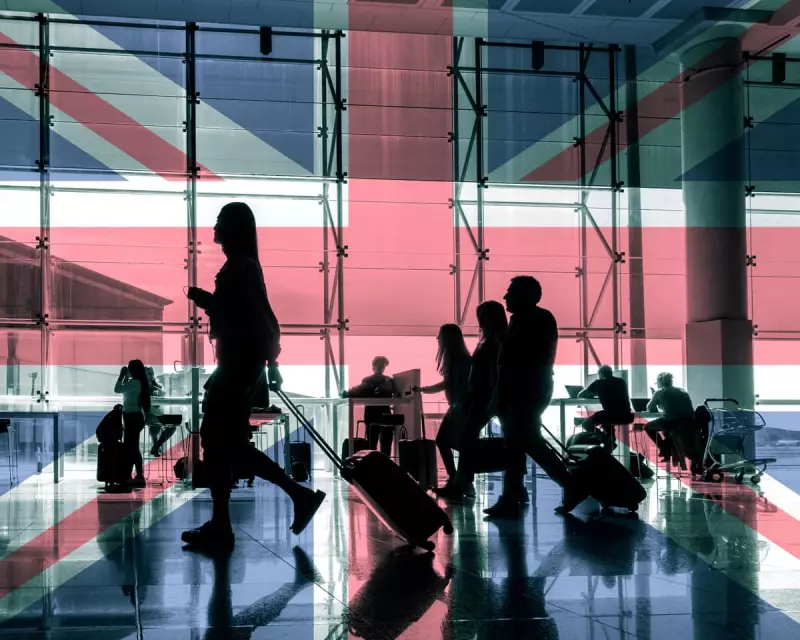
The Dramatic Turn in UK Immigration
Net migration to the United Kingdom has experienced a collapse more dramatic than any theme park rollercoaster, plunging by 69% according to recent official figures. The numbers fell from 649,000 in the previous year to just 204,000 in the year to June, representing one of the most significant single-year drops in recent history.
Why Political Responses Miss the Mark
Prime Minister Keir Starmer's characterisation of this dramatic reduction as merely "a step in the right direction" highlights what experts describe as a troubling detachment from reality in political discourse surrounding migration. The scale of this decline - more than two-thirds in a single year - demands more substantial acknowledgement from political leaders.
Since Brexit, net migration has followed an unpredictable pattern, with a record increase swiftly followed by this unprecedented decrease. Brian Bell, chair of the independent Migration Advisory Committee, revealed during a Bristol economics festival that the previous surge was largely accidental rather than deliberate policy.
The Three Accidental Drivers of Migration Surges
Bell identified three key factors behind the earlier migration peak that preceded this dramatic fall. The Homes for Ukraine scheme and decision to allow Hong Kong citizens with British passports to relocate to the UK contributed approximately 200,000 migrants in a single year.
UK universities emerging from the pandemic faced significant financial pressures, including soaring inflation and frozen tuition fees. Their solution involved aggressively recruiting international students, with student visas peaking at over 650,000 in the year to June 2023, compared to just 200,000 annually in the 2000s.
The healthcare sector's desperate staffing needs prompted the government to extend healthcare visas, allowing care workers who would typically earn too little to qualify for skilled worker visas to enter the UK. Many accepted these roles despite challenging conditions and often inadequate pay.
The Real Problem Behind Migration Numbers
Bell made a crucial second point: rising immigration often represents a side-effect of failure to address underlying social issues rather than an end in itself. "Where there's big immigration numbers, the problem is somewhere else in government not addressing an underlying problem," he explained.
The social care sector's recruitment struggles exemplify this pattern. Rather than addressing fundamental funding issues that make care work unappealing to UK candidates, the government expanded visa routes. Labour has proposed a fair pay agreement for social care, allocating £500 million to sweeten the deal, though experts question whether this amount will prove sufficient.
Conservative ministers significantly tightened work visa rules in 2024, while experts had long predicted increased emigration would follow the earlier student visa surge. The current decline reflects these policy changes and natural migration patterns rather than any single political achievement.
Looking Beyond the Numbers Game
As political debate continues to frame immigration as though borders remain wide open, practical concerns are shifting toward how key sectors like social care will manage with reduced arrivals. The challenge for Labour involves developing a coherent vision for UK migration beyond simply aiming for "less" while honestly acknowledging that net migration is already falling substantially.
An honest conversation about migration must recognise that numbers often reflect deeper policy failures elsewhere. With net migration already plummeting, the focus should shift toward sustainable solutions for sectors dependent on migrant workers and proper integration of those who arrived during the peak migration period.




