
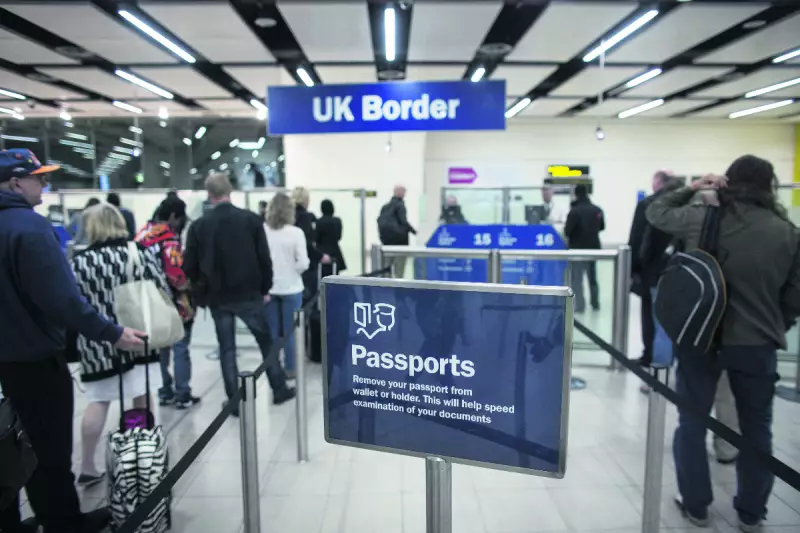
Britain's net migration has collapsed to its lowest level since before the COVID-19 pandemic, according to startling new official figures that reveal a dramatic shift in the nation's population patterns.
Migration Numbers in Sharp Decline
The Office for National Statistics reported that net migration dropped to 204,000 in the year ending June 2025, representing a dramatic two-thirds reduction compared to the previous year. This brings the figure down from the previous peak of 944,000 recorded in the year to March 2023.
The substantial decrease stems primarily from fewer non-EU nationals arriving for employment and educational purposes. According to the data, 898,000 people entered the UK while 693,000 departed during the measured period.
This significant downturn follows concerted efforts by both Conservative and Labour governments to implement stricter visa controls. The issue of immigration became particularly prominent for Labour ministers, Westminster strategists, and voters nationwide following the record highs of 2023.
British Exodus and Brain Drain Fears
In more troubling developments, emigration levels have increased to 693,000, marking an increase of approximately 43,000 compared to the previous year. Alarmingly, British nationals accounted for around half of all departures, with approximately 252,000 UK citizens leaving the country - a 16 percent annual increase.
Newly released data from the ONS provides unprecedented detail about the demographics of British citizens leaving the country. The statistics reveal that 91 percent of departing British nationals were of working age, contradicting theories that pensioners relocating to Europe primarily drove the emigration surge.
The breakdown shows more than half of British emigrants were aged between 16 and 24, with 46 percent falling into the 25-34 age bracket. This pattern raises serious concerns about a potential 'brain drain' affecting the UK's workforce and economic prospects.
Policy Responses and Political Reactions
Recent polling by City AM/Freshwater Strategy indicated that reducing immigration ranks as the second highest priority for voters, trailing only the cost of living crisis. In response, Home Secretary Shabana Mahmood and Prime Minister Keir Starmer have introduced multiple new measures to curb both legal and illegal migration.
The Labour government's initiatives include extending the settled status qualification period for most migrants to ten years and increasing salary thresholds for skilled workers.
Shadow Home Secretary Chris Philp commented: "The days of mass low-skilled immigration must end. Britain cannot keep importing pressure on public services and expect the British people to absorb the cost."
Philp attributed the declining figures to Conservative reforms on work visas, dependents, and students, while emphasising the need for further restrictions.
The ONS data also indicated sharp declines in work-related immigration, while study-related immigration and asylum applications experienced slight increases. Indian nationals constituted the largest group among the 670,000 non-EU arrivals, primarily for educational purposes, followed by citizens from China and Pakistan.
These developments occur against the backdrop of Britain's ongoing demographic challenges, including an ageing population and concerns about residents seeking better living standards abroad.




