
UK-French Migration Agreement Nears Expiry Amid Stalled Negotiations
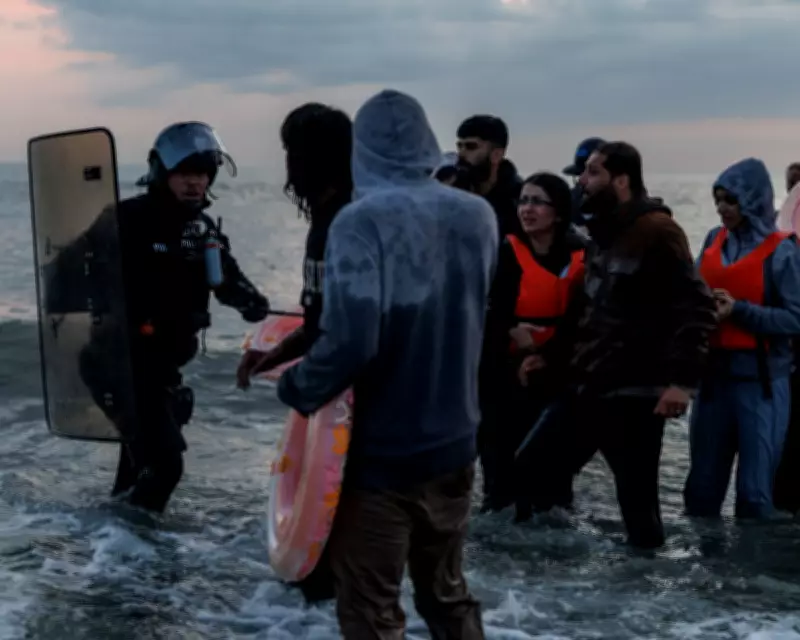
A critical bilateral agreement between the United Kingdom and France, designed to prevent unauthorized small boat Channel crossings, is set to expire on Tuesday without a renewed deal in place. This looming deadline has ignited significant concerns among officials and advocacy groups about potential increases in migrant arrivals from northern France.
Delays in Negotiations and Performance Demands
The current £468 million arrangement, originally announced by Prime Minister Rishi Sunak and President Emmanuel Macron in March 2023, allocates two-thirds of its funding from the UK to support French border policing efforts. Discussions for a new agreement commenced last July during the 37th UK-France summit, with British officials traveling to Paris recently for additional talks.
According to reports, the signing of a new pact has been delayed primarily due to demands from UK Home Secretary Shabana Mahmood, who is pushing for enhanced French interceptions of dinghies before departure. The Home Office has stated it aims to incorporate greater flexibility and innovation into the forthcoming agreement, emphasizing a performance-based approach.
Controversial Effectiveness and Rising Crossings
The Home Office claims to have prevented approximately 40,000 crossing attempts since the Labour government assumed office. However, 2025 marked the second highest year on record for small boat arrivals since 2018, with around 41,500 individuals reaching UK shores via dinghies. The department has not provided evidence to clarify whether those intercepted subsequently attempted or completed crossings.
So far this year, more than 4,000 people have arrived in the UK on small boats, underscoring the persistent challenge. A Home Office source familiar with negotiations expressed support for Mahmood's push for a performance-based deal but cautioned that security cooperation cannot be simply purchased in France, predicting potential resistance and further delays.
Criticism from NGOs and Advocacy Groups
Non-governmental organizations on both sides of the Channel argue that expensive bilateral deals fail to address the root causes of migration and may exacerbate dangers. Lavanya Pallapi, executive director of the Joint Council for the Welfare of Immigrants, asserted that any new agreement will not prevent Channel crossings.
Recent research indicates that the previous UK-France border deal led to a surge in deaths, Pallapi noted. These agreements have not and will never achieve their stated objectives; they merely extend violence, suffering, and harm at the borders. More blood will be on their hands if this inhumane spiral of cruelty continues.
Lachlan Macrae from the Calais Food Collective support group echoed these sentiments, stating that whether the agreement is signed or not, current policies are ineffective. If the government genuinely aimed to dismantle smuggling gangs, it would establish safe and accessible asylum routes instead of allocating additional UK taxpayer funds to French police, Macrae emphasized.
Future Implications and Official Statements
The potential lapse in the agreement raises questions about continued French coastline patrols and the operational capacity of people smugglers. While some patrols may persist, experts warn that reduced coordination could significantly impact interception rates.
A Home Office spokesperson reaffirmed the partnership with France, describing it as the UK's most important migration ally. Our joint efforts are effectively reducing small boat crossings, the spokesperson stated. We have prevented over 40,000 crossing attempts since taking office, and our landmark deal ensures that illegal migrants arriving on small boats are promptly returned.
As negotiations remain unresolved, stakeholders monitor the situation closely, anticipating possible shifts in migration patterns and border security dynamics in the coming weeks.




