
Major Overhaul of Asylum Seeker Transport Rules
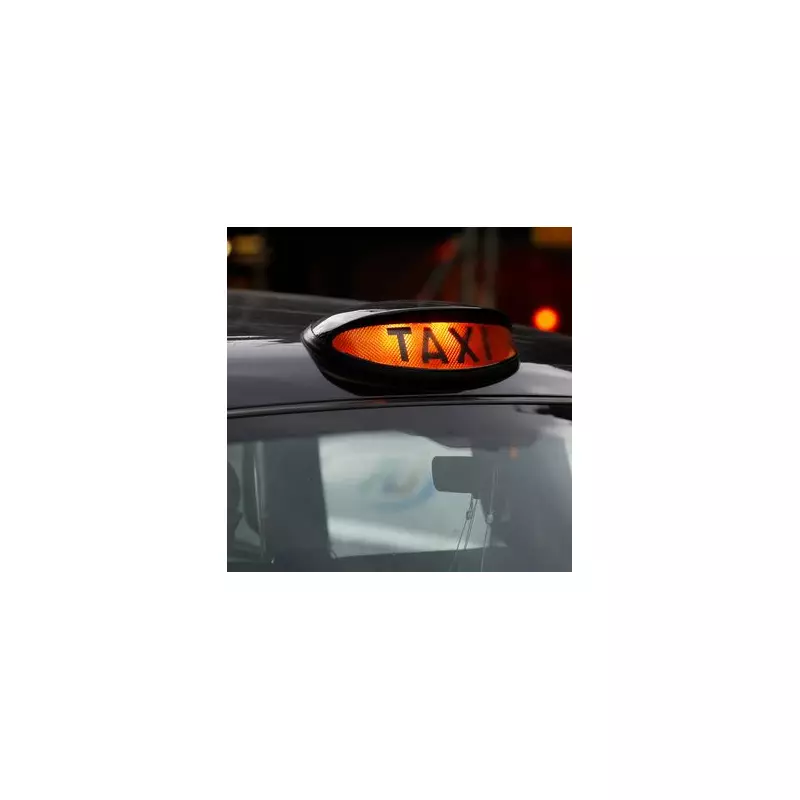
The Home Office has implemented a significant policy change that will prevent asylum seekers from using taxis for most medical appointments. Home Secretary Shabana Mahmood confirmed the new restrictions, which will only permit taxi travel in exceptional, evidence-based circumstances from February next year.
The government stated that approved exceptions will include physical disability, pregnancy, or serious illness, with each case requiring specific Home Office approval before taxi transport can be authorised.
Investigation Reveals Widespread System Abuse
This decisive action follows a recent BBC investigation that uncovered extensive use of taxis by asylum seekers, including some remarkably long-distance journeys. One particularly striking case involved a 250-mile taxi trip simply to visit a GP.
Taxi drivers themselves reported significant flaws in the current system, describing it as open to widespread abuse. Several drivers highlighted how subcontractors appeared to be inflating mileage claims by dispatching vehicles from distant locations.
One driver provided a telling example to Radio 4's Today programme, revealing how he had been dispatched from Gatwick to transport an asylum seeker in Reading to a medical appointment located just 1.5 miles from their hotel. Even more remarkably, a second driver was sent from Heathrow to return the same individual from that short-distance appointment.
Substantial Taxpayer Savings Expected
The policy shift emerges from a comprehensive Home Office review of transport arrangements for asylum seekers. Ms Mahmood emphasised that the government is collaborating with service providers to establish alternative transport solutions, with public transport being the primary replacement option.
"This Government inherited Conservative contracts that are wasting billions of taxpayers' hard-earned cash," the Home Secretary stated. "I am ending the unrestricted use of taxis by asylum seekers for hospital appointments, authorising them only in the most exceptional circumstances."
She further committed to continuing efforts to "root out waste as we close every single asylum hotel."
Cross-Party Support and Wider Reforms
The transport changes have received backing from Liberal Democrat MP Paul Kohler, who serves on the Commons Home Affairs Committee. Mr Kohler described the money previously spent on taxi services as "a shocking indictment of the contracts signed under the previous Tory government."
Speaking to the Today programme, he remarked that "it never dawned on them it was a huge incentive to spend money."
This announcement forms part of broader asylum system reforms introduced earlier this month, aimed at deterring illegal migration to the UK and streamlining deportation processes. The proposed changes include making refugee status temporary, subject to reviews every 30 months, and returning refugees to countries deemed safe.
Meanwhile, the Home Office has released figures showing a 33% increase in activity targeting people smuggling gangs in the year to September 2025. This includes more arrests and seizures of boats intended for Channel crossings, though small boat arrivals continue, with 39,292 people having made the journey so far this year.




