
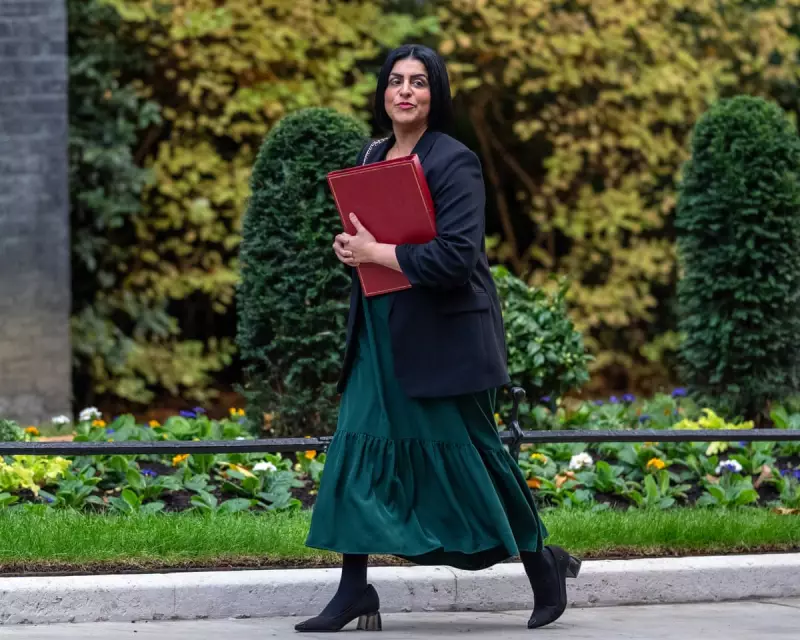
The UK government is poised to implement the most significant overhaul of the asylum system in decades, with Home Secretary Shabana Mahmood set to announce that state support for asylum seekers will become discretionary rather than an automatic right.
Ending Automatic Entitlements
In a major policy shift scheduled for announcement on Monday, 4th November 2025, the Labour government will dismantle the legal duty to provide financial assistance and housing to asylum seekers who would otherwise be destitute. This duty, introduced in 2005 under EU law, has guaranteed support for anyone claiming asylum in Britain.
The Home Office confirmed that assistance will now be granted on a case-by-case basis, with officials gaining the power to deny support to those deemed capable of working or who possess personal assets. A government spokesperson stated: "In a historic move, automatic handouts for those seeking refuge will end. Support will no longer be a given; it becomes a discretionary power."
Who Will Be Affected?
Despite the sweeping nature of these reforms, the majority of the approximately 100,000 people currently receiving asylum support in the UK are unlikely to be immediately impacted. Government sources indicate that rules preventing most asylum seekers from working will remain unchanged.
The changes primarily target new arrivals and specific categories of asylum seekers. The government outlined several circumstances where support could be withdrawn, including:
- Those who can work or have assets
- Individuals who fail to comply with removal directions
- People engaged in criminal activity
- Those who disrupt accommodation settings
- Individuals working illegally
Approximately 8,500 people in asylum accommodation currently have the right to work because they entered the country on a visa before claiming asylum. Meanwhile, about 19,000 people have been waiting over 12 months for an asylum decision, though most don't meet the strict criteria for work permission.
Political Strategy and International Inspiration
These reforms are widely perceived as a strategic pitch to Labour voters considering switching to Reform UK at the next general election. The government has studied Denmark's controversial asylum model, with a Home Office delegation visiting Copenhagen earlier this year to examine their system.
The Danish approach, overseen by the centre-left Social Democrats, has resulted in asylum approvals reaching a 40-year low when excluding pandemic data. Key elements of the Danish system that Britain may emulate include returning refugees to their home countries when conditions are deemed safe and restricting family reunification rights.
According to the Sunday Times, the UK reforms will also include requiring people arriving illegally to wait 20 years before applying for permanent settlement. Those granted asylum could face return to their home countries when situations improve, mirroring the Danish policy.
The government has not specified expected savings from these measures but indicated that excluding rule-breaking asylum seekers from financial support could further reduce costs. With about a third of asylum seekers still accommodated in hotels - a practice Labour has pledged to end by 2029 - the reforms aim to address both public concerns and budgetary pressures.




